
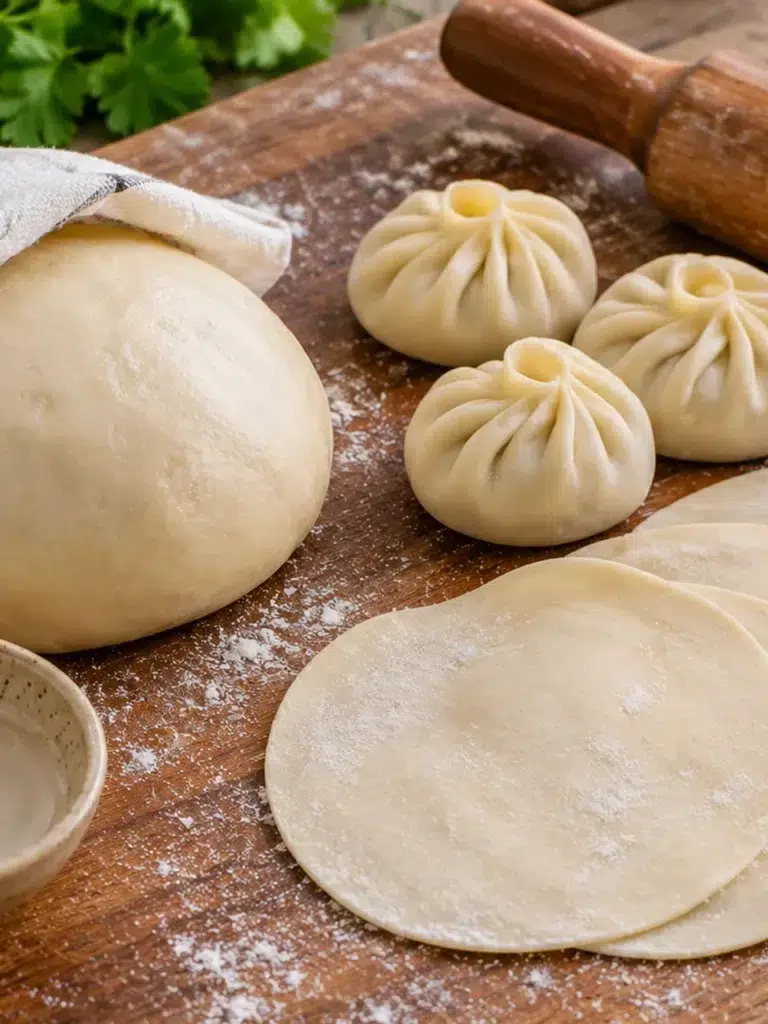
Quick answer: For a smooth, easy-to-pleat traditional-style wrapper, fine white wheat flour (maida or all-purpose) is a practical starting choice. Wholewheat atta produces a more pronounced wheat flavour and can require more water and a different rolling touch. A blended dough offers a middle path. None is universally “best”: choose according to texture, ingredients you prefer and the time you can spend learning the dough.
On this page
The three practical choices
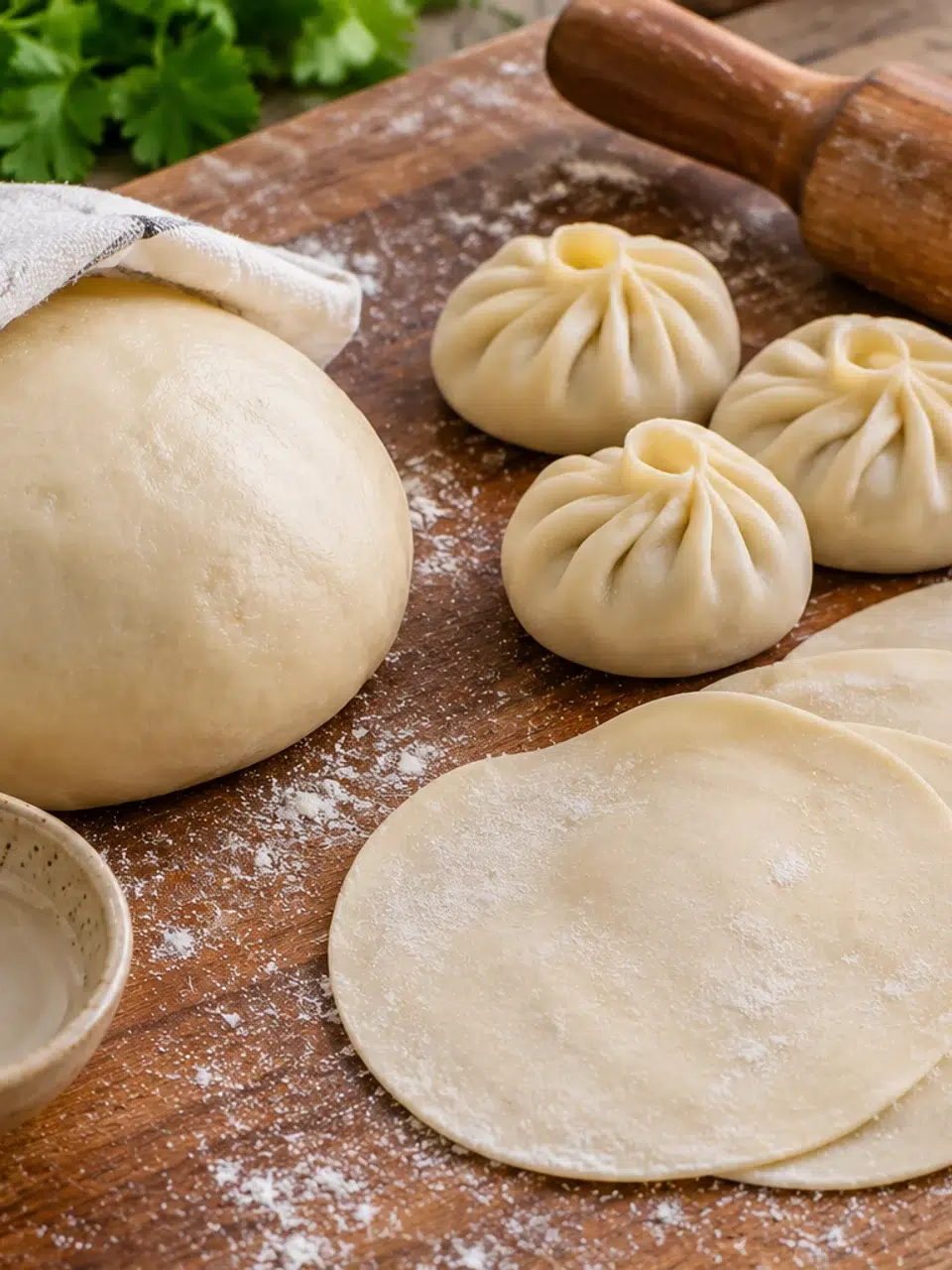
| Flour | Typical result | Handling implication |
|---|---|---|
| Maida / all-purpose wheat flour | Smooth, light-coloured wrapper | Generally easier to roll thin and pleat |
| Wholewheat atta | Deeper grain flavour and colour | Often absorbs more water; needs rest and care |
| Maida–atta blend | Texture and flavour between the two | Water and resting need adjustment |
Specific flours vary by milling, protein content and brand. Treat these as directional kitchen observations, not a measured laboratory ranking.
Why flour type changes wrapper elasticity
Wheat flour contains proteins that can form gluten when mixed with water and worked. This structure helps a thin wrapper stretch without tearing. King Arthur Baking’s guide to gluten explains gluten-forming proteins and how bran in wholewheat flour affects the developing network. That helps explain why atta may feel less smooth when rolled very thin.
This does not mean one type has zero gluten: both maida and atta are wheat flours and contain gluten.
How much water should you add?
Begin with a measured flour quantity, add water gradually and judge the dough by whether it is firm yet pliable—not sticky like batter or crumbly like sand. Wholewheat flour often needs more water for a similar feel; King Arthur Baking’s hydration explanation confirms that whole-grain flour typically absorbs more water than white flour. Avoid transferring a white-flour recipe’s water amount without adjustment.
For an existing measured home-cooking starting point, use our soft momo dough guide or wholewheat momos recipe; amounts there are editorial starting points, not a proprietary Momo Crown production formula.
How to test a blended flour dough
- Mix a small batch using equal weights of maida and atta as a simple trial, not a guarantee of optimal texture.
- Add water slowly, kneading until no dry pockets remain.
- Cover and rest so the flour has time to hydrate.
- Roll one wrapper with a slightly stronger middle and pliable rim.
- Fill and fold a single dumpling before shaping the rest.
- Steam completely and evaluate the thickest pleat: does it feel soft, tough or undercooked?
Adjust one variable at a time for the next batch. The most useful result is the wrapper your household enjoys eating.
Can millet replace wheat in momo wrappers?
Millet flour behaves differently because it does not form wheat gluten. A wheat–millet blend may be more workable than replacing all wheat without reformulating the recipe. The published Momo Crown menu includes a Millet Momo, but the dish name alone does not disclose the wrapper’s precise flour blend or prove that the product is gluten-free. Check ingredients and cross-contact procedures before assuming dietary suitability.
Ingredient safety and storage
Raw flour is not ready-to-eat food. The US FDA warns not to taste raw dough or flour, since milling does not automatically eliminate harmful microorganisms. Wash hands and work surfaces after handling flour, and steam momos until the dough and filling are safely cooked. Use a clean covered container if dough needs to wait, and chill perishable fillings promptly.
Our decision guide
Choose maida when learning delicate folds and seeking a softer, smoother bite. Try atta for fuller wheat flavour and if you are comfortable working with a dough that may resist thin rolling. Experiment with a blend when you want to balance both qualities. The quality of kneading, rest, thin edges and steaming can matter as much as which bag of flour you open.
For the folding stage, read four beginner momo shapes and how thin to roll momo wrappers.
Maida vs Atta: What Changes in the Finished Wrapper?
Maida is refined wheat flour that often produces a relatively smooth, pale wrapper. It is a practical choice for thin rolling and small pleats because the dough can become supple with suitable water, kneading and rest. A smooth wrapper can help beginners focus on sealing rather than managing coarse particles, although flour quality and protein content differ between brands.
Atta contains more of the wheat grain, including bran and germ. The dough can have a slightly more textured feel and a deeper wheat flavour. Depending on the flour, it may absorb more water than maida and benefit from a longer covered rest. Bran particles can interfere with gluten development even when the total protein content is not low. That does not make atta unsuitable for momos; it means the process may need adjustment.
A blended dough can sit between these textures. Try a modest portion of atta with maida first, then alter the ratio gradually after evaluating how the dough stretches and seals. There is no single best flour for momos for every cook, dietary preference or serving style. The useful comparison is the wrapper you can reliably roll, fold, steam and enjoy.
How to Adjust Water for Each Flour
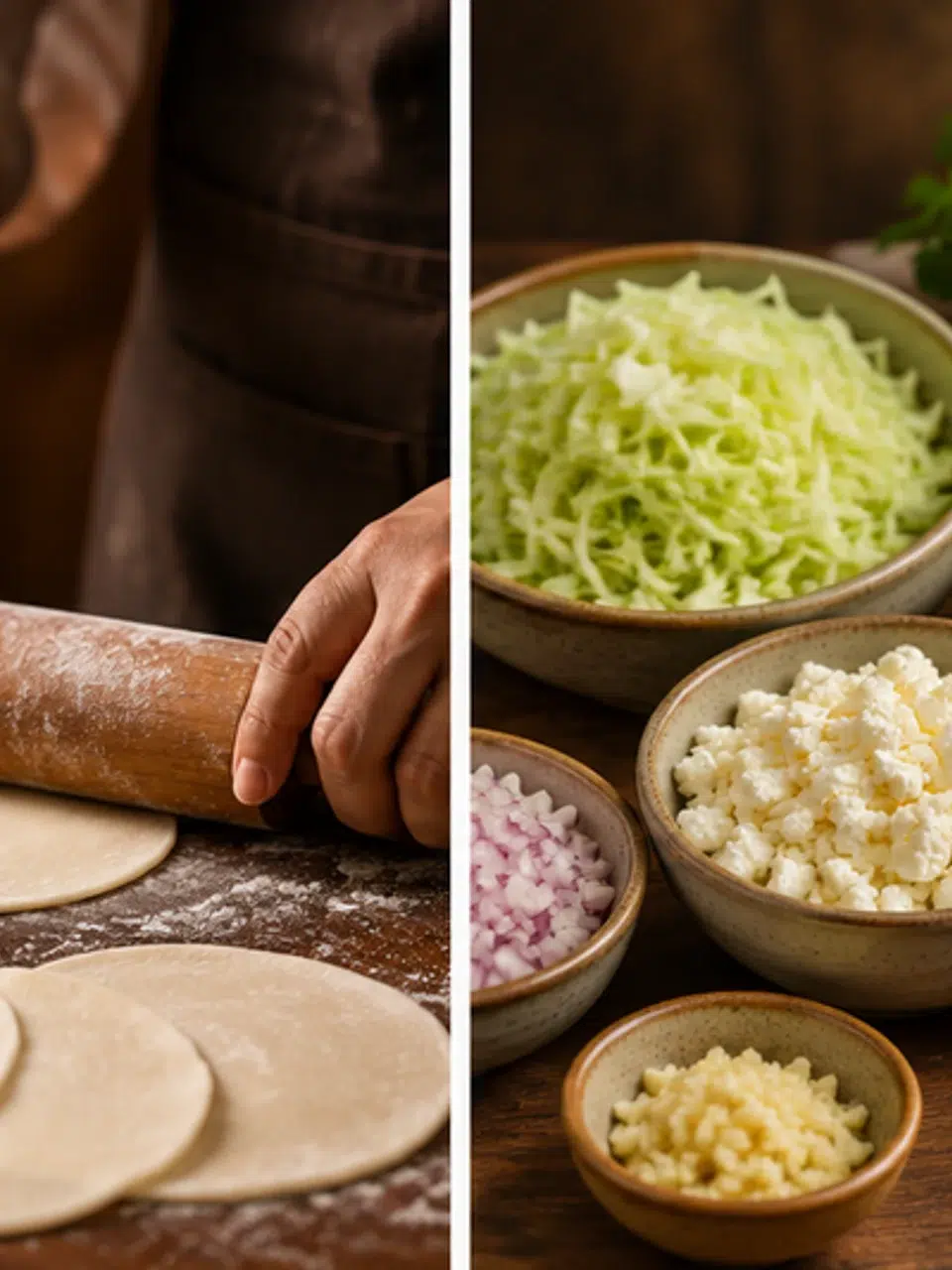
Hydration describes water relative to flour, but the right amount in a momo dough is not universal. Different brands of wheat flour vary in protein, milling and moisture content. Wholegrain flour often absorbs more water than refined flour, so copying the same water measurement into a full-atta recipe may produce a dough that feels firmer than expected. A soft dough also changes during resting as flour particles absorb water.
Begin with the flour in a bowl and add most of the planned water gradually. Mix until no large dry patches remain, then knead and assess the texture. It should be smooth enough to roll after resting but not a loose batter. If very dry, add water in small increments; if sticky, allow a short covered rest before adding lots more flour. That lets you avoid a cycle of excessive water followed by excessive flour.
Cover the dough throughout resting so the surface does not dry into a crust. For a finer or coarser atta, experiment with a small batch before increasing the flour quantity. Our soft momo dough guide provides a starting formula, while the whole-wheat momo recipe illustrates a fully wheat-based variation.
Why Kneading and Resting Change Wrapper Strength
Wheat flour contains proteins that can form gluten when they are hydrated and worked. This network helps dough stretch and hold together around a filling. Kneading develops structure, but a freshly kneaded dough can feel tight and spring back when rolled. A covered rest gives the dough time to relax and can make it easier to achieve a thin round without tearing.
Whole-wheat atta introduces bran particles that affect the gluten network. Knead enough for the dough to feel reasonably smooth, but avoid treating a fixed number of minutes as proof that every bag of flour is ready. A small test wrapper will tell you more about the texture. If it cracks easily, review hydration and resting; if it springs back persistently, try a little more rest.
Keep rested dough covered while working. The first wrapper may roll smoothly, but the last portion can dry out if it waits on an uncovered board. Divide the dough into manageable pieces and roll only what you can fill soon. For detailed explanation of how wheat proteins behave, see King Arthur Baking’s gluten guide.
Choose Flour with the Intended Momo Shape in Mind
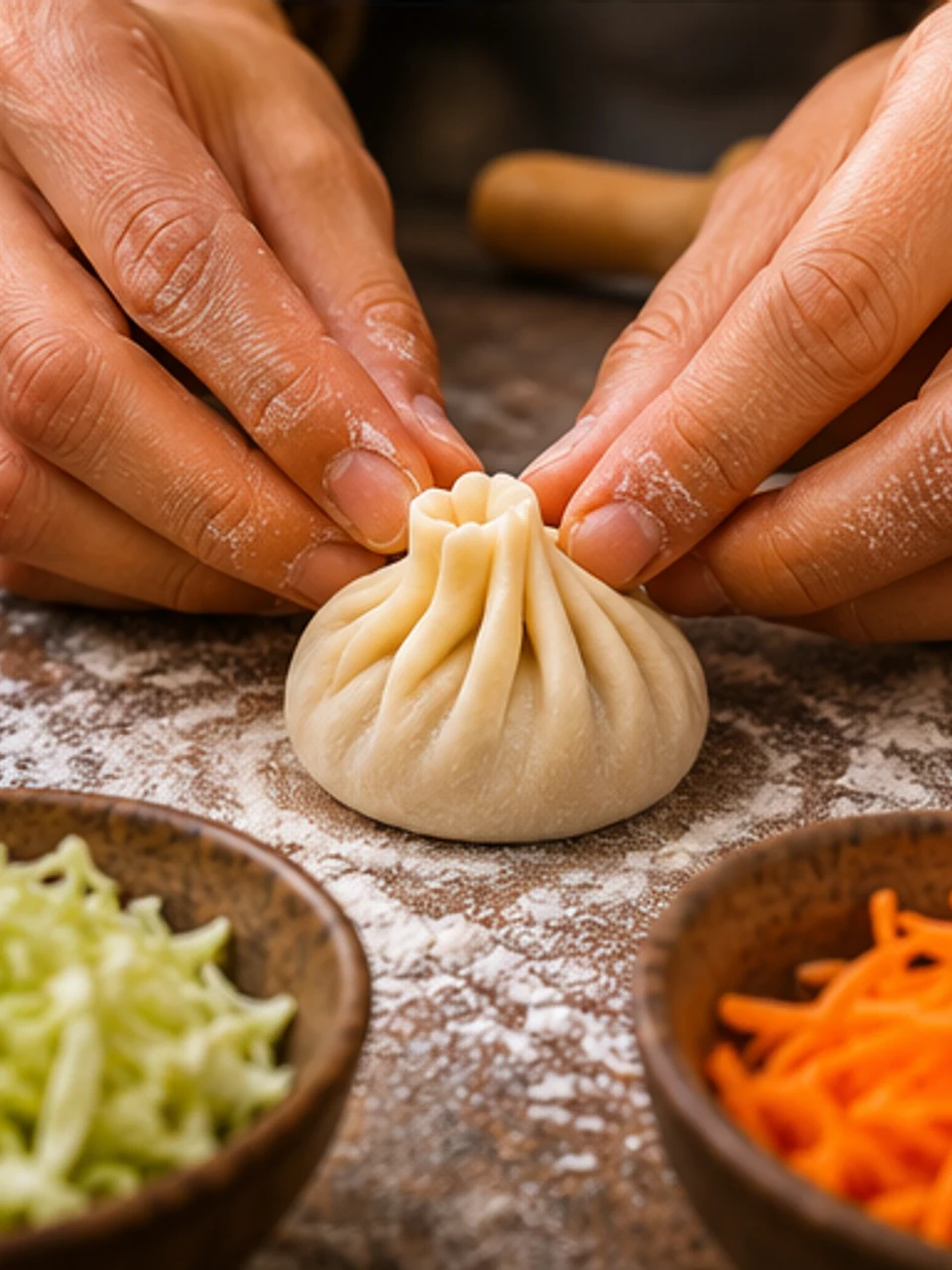
A simple half-moon fold needs a pliable round and a clean continuous seam. A gathered pouch or deeply pleated crescent creates more overlapping layers near the edge, so wrapper flexibility and perimeter thickness become especially important. A finely milled wheat dough often lets beginners make small pleats, but rested atta dough can also work when its water content and rolling technique suit the flour.
Do not assume the whole wrapper should be equally thick. A slightly stronger centre carries filling, while a thinner edge helps avoid bulky, chewy folds. If the dough tears as you pinch the seam, review whether it was rolled too thin, exposed to air or made too dry. If the pleated knot feels doughy after steaming, consider thinner rim rolling before increasing cooking time.
Try the same small amount of filling in two test wrappers made from different flour ratios. Fold them into the same shape and cook them using the same suitable steamer method. Compare how the seams hold and how the thick folded portion feels. Our folding tutorial and wrapper thickness guide can help interpret the results.
A Small Maida–Atta Blend Experiment at Home
To understand the trade-offs, begin with three small dough batches of similar total flour weight: one mostly maida, one balanced blend and one mostly atta. Use clean bowls, add water gradually and rest each batch appropriately. Because different flours absorb water at different rates, do not force identical water measurements if one mixture remains dry while the other is supple.
After resting, roll a small wrapper from each dough. Notice how easily it extends, whether the edge cracks, and how the dough reacts when you press a simple seam. Add the same filling type and a similar portion to each test dumpling. This is a practical kitchen comparison, not a scientifically controlled experiment or a promise that one ratio will always win.
Steam the pieces thoroughly in manageable batches. Compare the base, sidewalls and thickest pleat, and consider which texture your household prefers. A smooth maida wrapper may suit one filling, while atta’s more pronounced grain flavour may appeal with another. Note your flour brand, approximate water addition and rest time so you can repeat a successful result.
Millet, Gluten and Other Wrapper Flour Questions
Maida and atta are both wheat products and contain gluten. A recipe that mixes millet flour with wheat flour is therefore not gluten-free, even if millet is the ingredient emphasized in the name. People who need to avoid wheat or gluten should verify every component, including the wrapper, filling, sauce and preparation surfaces. Cross-contact can be relevant for a serious allergy or coeliac disease.
Millet and other gluten-free grains behave differently in dough because they do not provide the same wheat gluten network. Replacing all wheat flour with another flour may require a different binder or preparation technique, and a dough that seems firm in a bowl may tear during folding. Do not assume that the same recipe, water ratio and rolling method will produce an identical pleated dumpling.
A wheat–millet wrapper can be explored as a blend, while our published atta-based momo guide shows a whole-wheat alternative. The name of an ingredient does not establish health outcomes or allergy suitability; check the actual formula and individual dietary requirements.
Troubleshooting Flour and Dough Problems
| What happens? | Possible cause | What to try |
|---|---|---|
| Atta wrapper cracks | Insufficient water, rest or uneven milling | Adjust hydration gradually and rest covered |
| Maida wrapper feels sticky | Excess water or insufficient resting | Rest first, then adjust flour sparingly |
| Wrapper springs back | Dough is tight after kneading | Allow more covered rest |
| Pleated top remains chewy | Too many thick overlaps | Roll edges thinner and simplify fold |
| Wrapper tears around filling | Thin base or coarse wet filling | Use less filling and manage moisture |
| Finished wrapper becomes firm quickly | Drying, thickness or overcooking | Serve promptly and review dough handling |
Look at the observed problem before buying a completely different flour. A dry wrapper may improve with better hydration and resting; a sticky one may need a short covered pause and less surface water. Coarse filling pieces and heavy pleats can ruin even a well-chosen flour. Changing one variable at a time helps you learn which adjustment matters.
If the dough feels excellent but finished momos stick to the basket, the issue may be tray preparation rather than flour type. Our sticking-to-steamer guide covers that separate kitchen problem.
Store Flour Well and Handle Raw Dough Safely
Flour is a raw agricultural product and may contain microbes. Avoid tasting raw momo dough or letting children eat uncooked flour mixtures. Wash hands and clean work surfaces after handling raw flour, especially before preparing ready-to-eat sauces. Cook the wrappers and any meat fillings thoroughly; a floury or doughy centre should not be served because the outside looks translucent.
Store flour in a clean, dry, closed container according to the manufacturer’s directions. Wholegrain flour contains oils in the bran and germ and may benefit from cooler storage than refined flour, particularly in warm climates. Check for pests, moisture and unusual odours before use, but do not assume a normal smell proves raw flour is free from microbes.
For perishable fillings, refrigerate promptly and separate raw meat from vegetables and cooked foods. FoodSafety.gov recommends chilling within two hours, or one hour when the temperature exceeds 32°C (90°F). If preparing momos for later, follow a safe freezing routine rather than leaving raw filled dumplings out for a long rolling session.
Which Flour Should You Buy for Your Next Batch?

If you are new to rolling and pleating, a fine wheat all-purpose flour is a reasonable starting option because it often produces a smooth, workable dough. If you prefer the flavour and ingredients of whole wheat, choose atta and plan to adjust water and resting. A blend may help you explore both without changing the whole recipe at once. Read the package rather than assuming all products labelled “all-purpose” have identical protein content.
For a small home meal, begin with the flour you can handle confidently. Use a tested starting formula for dough, then judge the actual texture instead of promising a fixed yield. Roll the centre strong enough to support the filling, keep the edges thin enough to pleat and use a clean, suitably prepared steaming tray. A well-balanced filling and safe cooking matter as much as the flour.
The best flour for momos ultimately depends on the desired bite, dough-handling skills, dietary needs and available ingredients. Keep notes after each batch: flour type, amount of water added, covered rest time, fold style and cooked texture. That simple record turns a good result into a repeatable home technique.
Frequently asked questions
Can I use 100% atta for momos?
Yes, but it can require different hydration, rest and rolling technique from white flour. See the dedicated wholewheat recipe.
Is maida gluten-free?
No. Maida is refined wheat flour and contains gluten.
Can I make a millet momo gluten-free by mixing in atta?
No. Adding wheat flour means the mixture contains gluten; specific allergen and cross-contact checks remain necessary.
References
- King Arthur Baking: how gluten develops
- King Arthur Baking: flour hydration
- US FDA: handling raw flour safely
Explore the published Momo Crown menu and location updates. Restaurant availability should be checked with the brand’s official announcements.