
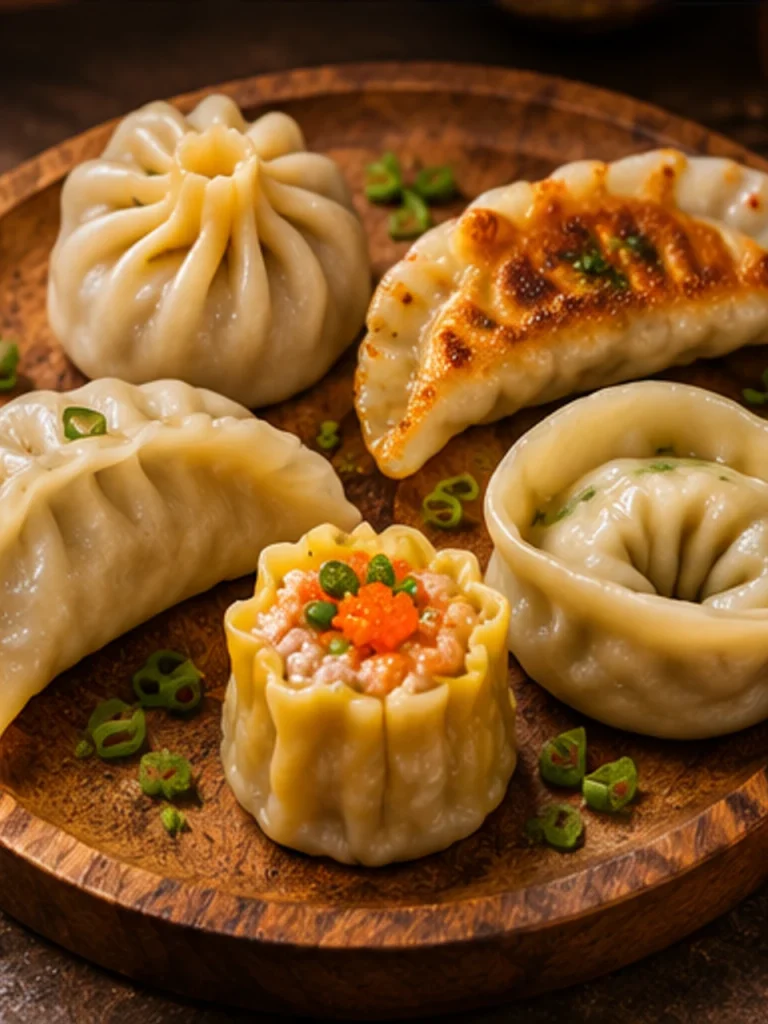
Quick answer: For a relaxed momo gathering, prepare food in small batches, keep cooked dumplings genuinely hot or properly chilled, and avoid leaving plates on a buffet table for hours. Steam and flavour are important, but so are clean serving tongs, allergen labels and a plan for leftovers. This article focuses on host setup and guest service; see our reheating guide for texture-specific advice.
On this page
Set up three distinct stations
A party is easier to manage when the cooking, serving and sauce areas are clearly different. Put raw ingredients and the filling-preparation area away from finished food. Set cooked momos on clean platters with their own tongs and keep dips in separate labelled bowls. Shared utensils can transfer ingredients between dishes even when the original fillings were prepared separately.
If guests are bringing dishes from their own homes, ask whether the momos are raw, cooked or frozen, when they were prepared, and how they travelled. A dish that arrives at an uncertain temperature should not automatically enter the buffet. Work out the cooking order before people arrive, especially when the kitchen has just one steamer or a limited number of burners.
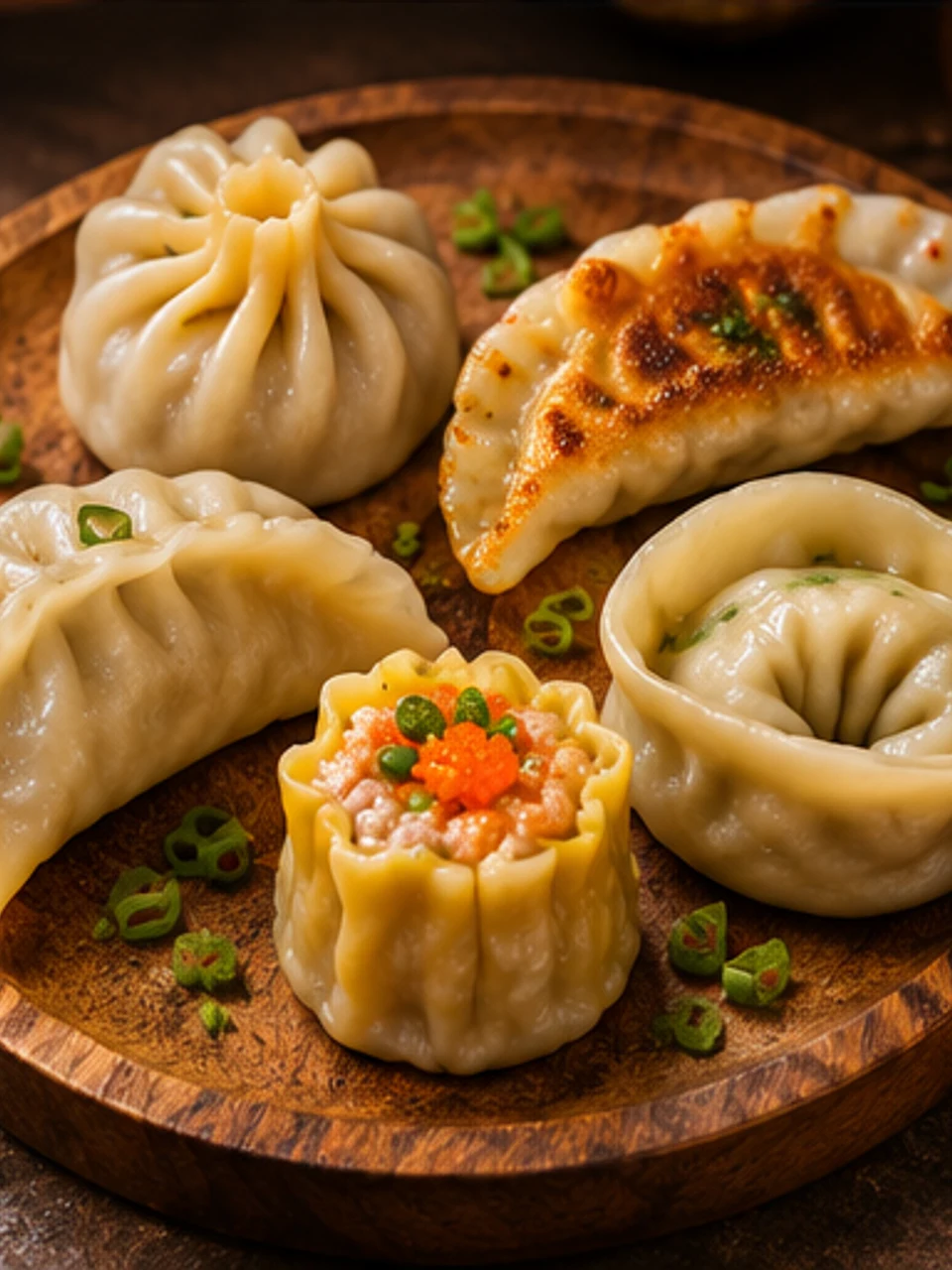
Cooking: Keep raw dough and fillings separate from finished food; use clean tools and a working steamer. Hot service: Keep cooked momos hot under measured holding conditions or offer small freshly cooked batches. Dips and extras: Separate sauce bowls, label sesame, peanuts, milk and soy where present, and keep perishable yoghurt dips cold.
Guests should not use a raw filling spoon for cooked momos or one pair of tongs for all dietary preparations. If you have veg and meat momos, consider dedicated utensils and accurate labels.
Before guests arrive: the ten-point checklist
Begin with guest preferences and verified dietary information, not with a photograph of an impressive tray. Ask who needs vegetarian food, which sauces people enjoy, and whether anyone requires specific allergen precautions. For a serious allergy, a vague promise of a separate spoon is not enough: the ingredients and preparation methods need to be appropriate and understood. If you cannot meet a guest’s requirement, discuss another suitable option before serving.
Have a practical plan for the cooking schedule. A steamer that handles one small batch is not enough to keep a large event supplied without a timetable. Use manageable portions, arrange a clean space to plate cooked food, and decide how leftovers will be stored before the meal begins. The best answer to how to serve momos safely at a party is a system that guests can follow, not a complicated menu.
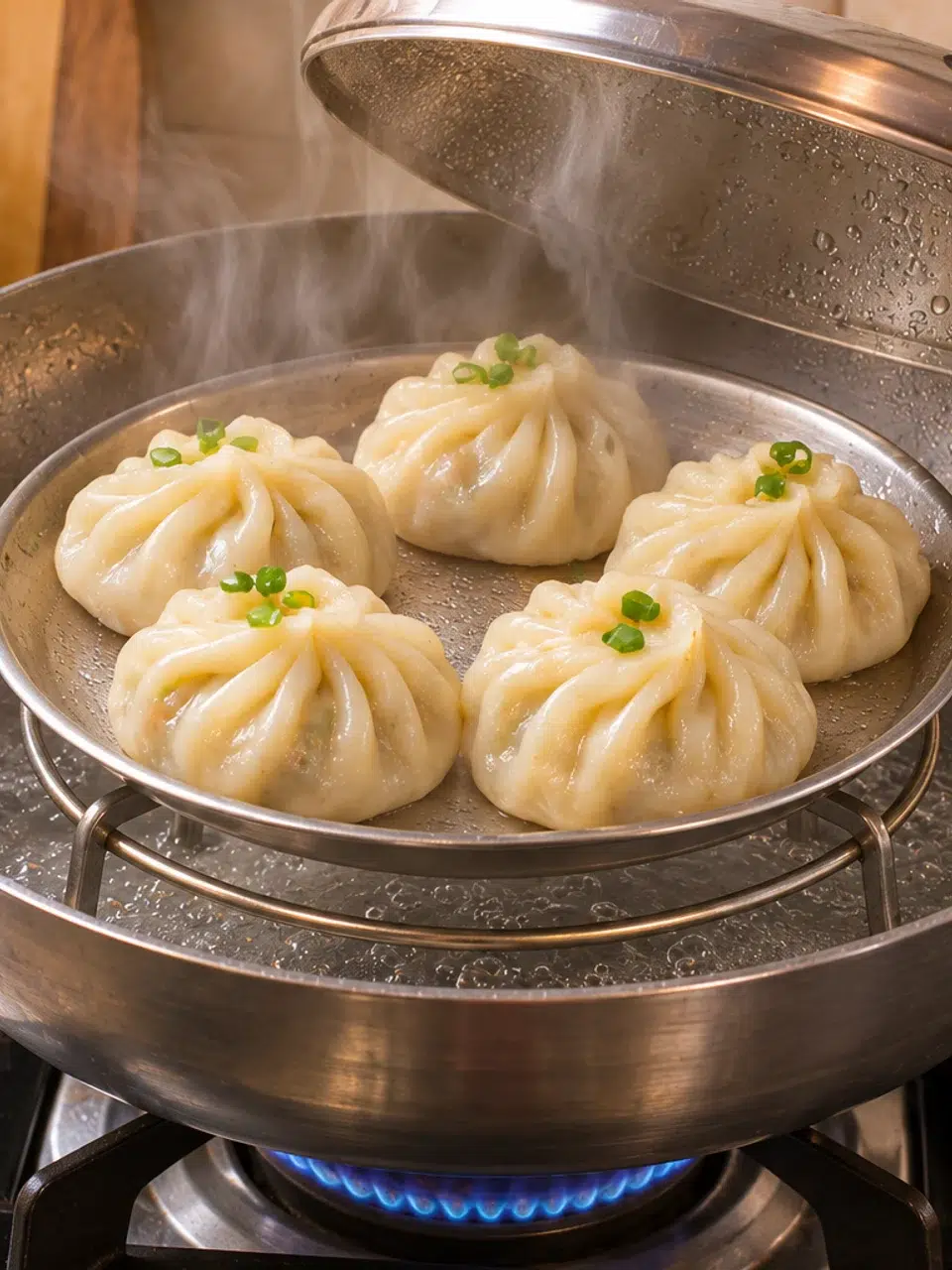
- Confirm the intended number of guests and whether anyone has food allergies.
- Choose two or three fillings instead of an unmanageable number.
- Prepare and chill perishable fillings promptly.
- Arrange a safe way to cook frozen or raw momos completely.
- Ensure there is an actual hot-holding device that reaches appropriate temperature.
- Have a fridge or ice bath for dairy and fresh-herb sauces.
- Use distinct tongs for each platter and sauce.
- Label which dumplings are vegetarian, vegan or contain milk/soy.
- Keep a timer and a thermometer accessible.
- Have clean shallow containers ready for promptly chilling leftovers.
The time and temperature rule
Hot holding and reheating are different jobs. A food warmer used for holding should not be relied upon to bring refrigerated dumplings up to a safe reheating temperature. Thoroughly cook or reheat food first, then maintain appropriate temperatures with equipment that actually performs as required. If a hot-holding setup is not available, prepare smaller fresh batches and serve them promptly.
For cold dips, plan enough refrigerator space or a suitably managed chilling setup. Dairy sauces, prepared vegetables and other perishables need care even when the weather feels cool. Record when a platter is set out, and replace it according to safe time and temperature guidance rather than guessing from its appearance. Food left in an unsafe condition should be discarded rather than mixed into a new tray.
The USDA’s buffet guidance says perishable items should not sit at room temperature longer than two hours, or one hour in temperatures above 32°C. The general US hot-holding benchmark is at least 60°C (140°F) and cold holding at or below 4°C (40°F). For professional operations, check applicable Indian food-service regulations, which can impose other or stricter requirements. Do not treat a decorative warmer as proof it is holding food safely.
Replace platters rather than topping up
A crowded buffet can confuse the person serving and the guest choosing. Label the food by filling and cooking style, and keep one serving utensil with each tray. If there are dietary or allergen restrictions, avoid arranging different fillings so closely that guests cannot distinguish them. Set out less food at once, then replenish with a clean platter from safely held or freshly cooked portions.
When a platter is nearly empty, remove it and replace it with a new clean one instead of putting hot food on top of the remaining pieces. This reduces the chance that freshly prepared dumplings are mixed with food that has been touched by many utensils or guests. Have clean replacement trays ready in the kitchen rather than improvising with the same dish throughout the evening.
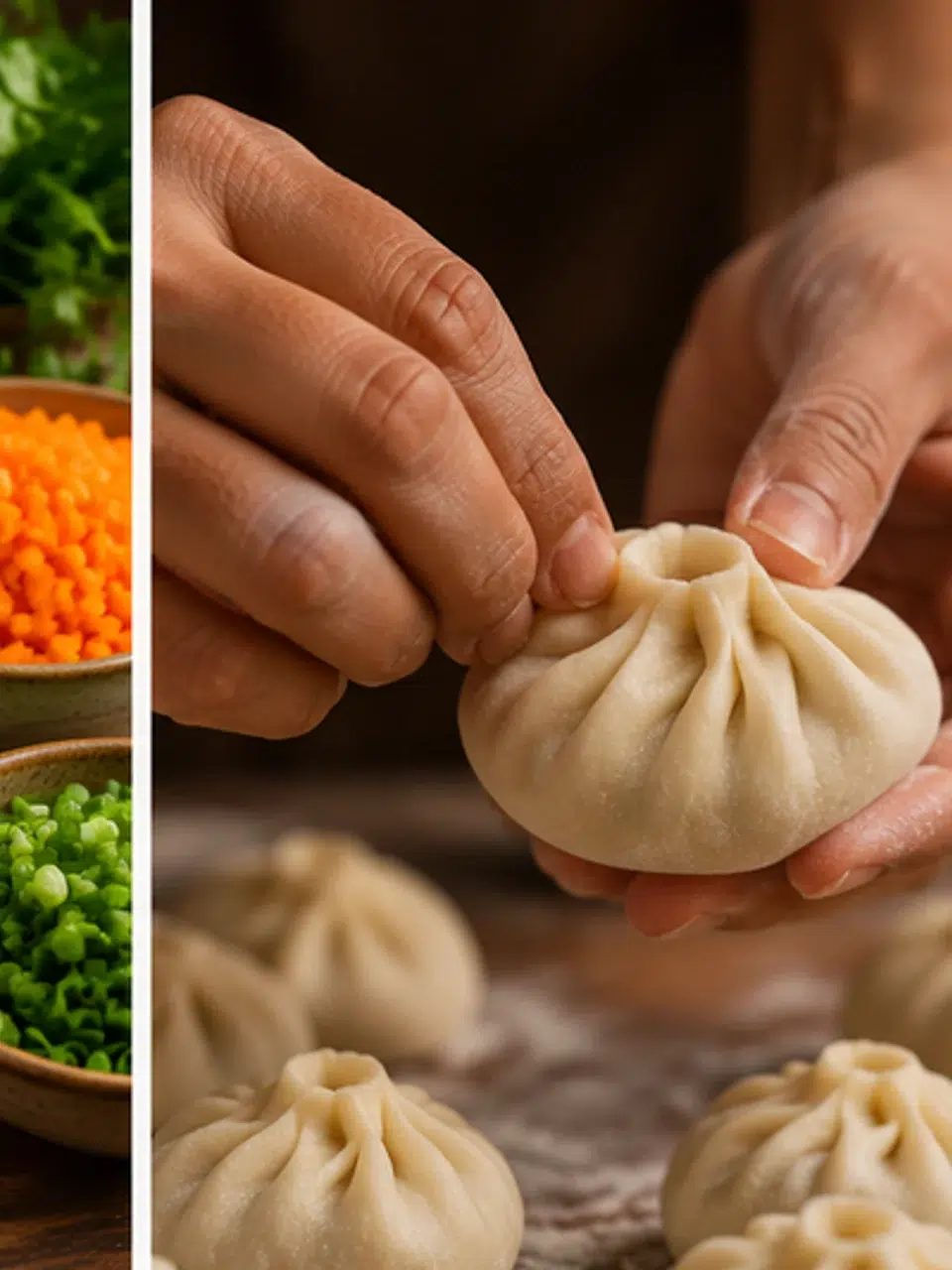
The FDA’s buffet guide recommends replacing nearly empty serving dishes instead of pouring new food on top. This reduces prolonged exposure and contamination. Serve eight to twelve small momos at a time for a small family table, or choose quantities based on your guests and hot-holding capacity. That number is only a service example, not a portion-size recommendation.
What about children and mild eaters?
Provide a mild portion with sauce on the side, but do not assume no chilli makes a dumpling safe for every child. Wrapper thickness, filling texture and retained heat can matter more than the sauce’s spice level. A caregiver should check the cooked dumpling, allow it to cool and cut or adapt it according to the individual child’s chewing ability. Children should eat while seated and be supervised throughout the meal.
For a family-friendly buffet, place sauces away from the youngest guests and label stronger dips. Some mild-looking sauces contain milk, nuts, sesame or soy. Use a separate serving spoon and avoid transferring dips back and forth. Our mild momos for kids guide explains practical serving and texture adjustments without making a universal age claim.
Offer a mild sauce or no chilli at all, and let very hot dumplings cool to a safe eating temperature before a child eats. Small children may need the dumpling cut into age-appropriate pieces; hot filling can burn even when the wrapper looks cooler. Make one separate dip with no chilli and confirm whether it contains milk, nuts, sesame or soy. See our mild chilli-free momo dipping sauce recipe.
After the last round
Plan to clear perishable food promptly, not only when everyone has left. Use clean shallow containers, identify fillings where possible and refrigerate within the appropriate safe time limits. Do not mix leftover food with uncertain handling histories into one container. Label what you are storing, especially if different fillings or sauces have different dietary ingredients.
For the following day’s meal, reheat only the amount needed and confirm that the centre is thoroughly hot. Steam, a covered pan or a suitable microwave method may restore different wrapper textures, but proper reheating cannot rescue food that has been held unsafely. A simple end-of-party checklist—clear trays, chill suitable leftovers, wash shared utensils and dispose of questionable food—makes the next gathering easier.
Move leftovers into shallow clean containers and refrigerate promptly rather than letting trays cool for hours on the table. USDA guidance allows 3–4 days for properly refrigerated leftovers, but only if they were handled safely to begin with. For appropriate cooling and second servings, read our leftover momo serving ideas and the reheating guide.
Frequently asked questions
Can I leave steamed momos on a buffet for three hours?
Not at uncontrolled room temperature. Use verified hot or cold holding, small batches and the time rules.
How do I keep vegetarian and meat momos separate?
Use labelled, separate platters, utensils and prep procedures; do not mix the tongs.
Should I refill a nearly empty platter?
Use a fresh clean platter with freshly prepared food instead of topping up the old one.
Sources and further reading
Read Momo Crown’s story and the Crown Standard for the brand’s published positioning. Check official opening announcements before planning a visit.