
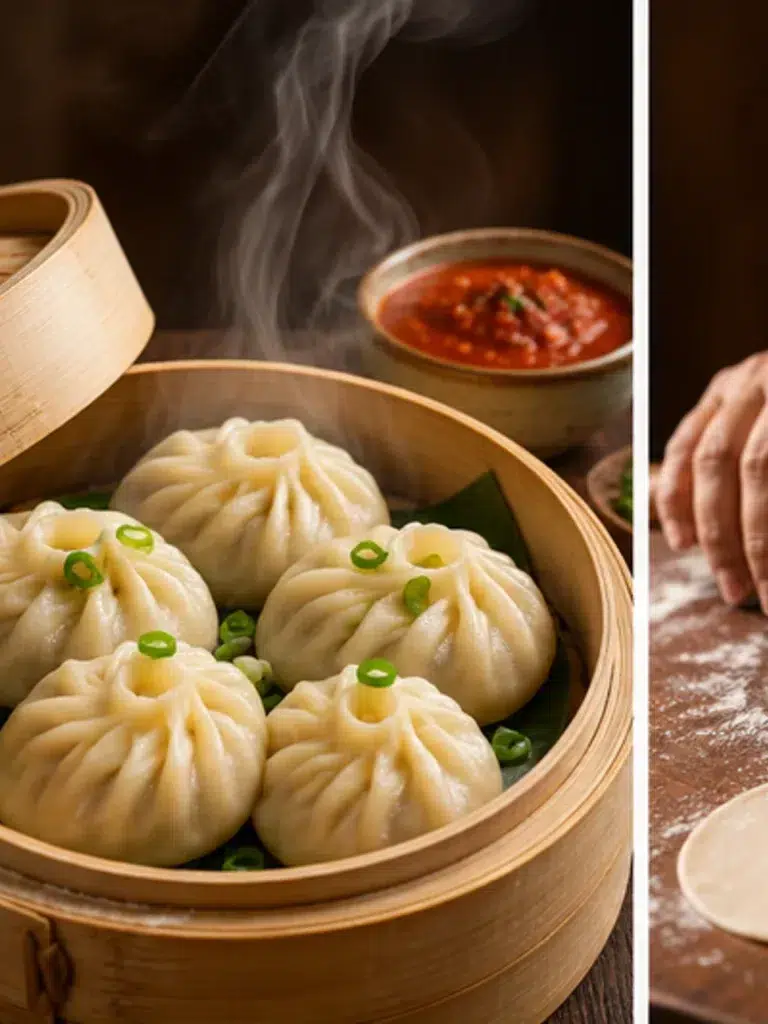
Mild momos for kids: Choose fully cooked, soft dumplings with finely prepared fillings, then cool and cut them into pieces your child can chew safely. Use these seven practical tips for children ready for this texture; pay attention to choking hazards, the temperature inside the filling and food allergies as well as chilli heat.
On this page
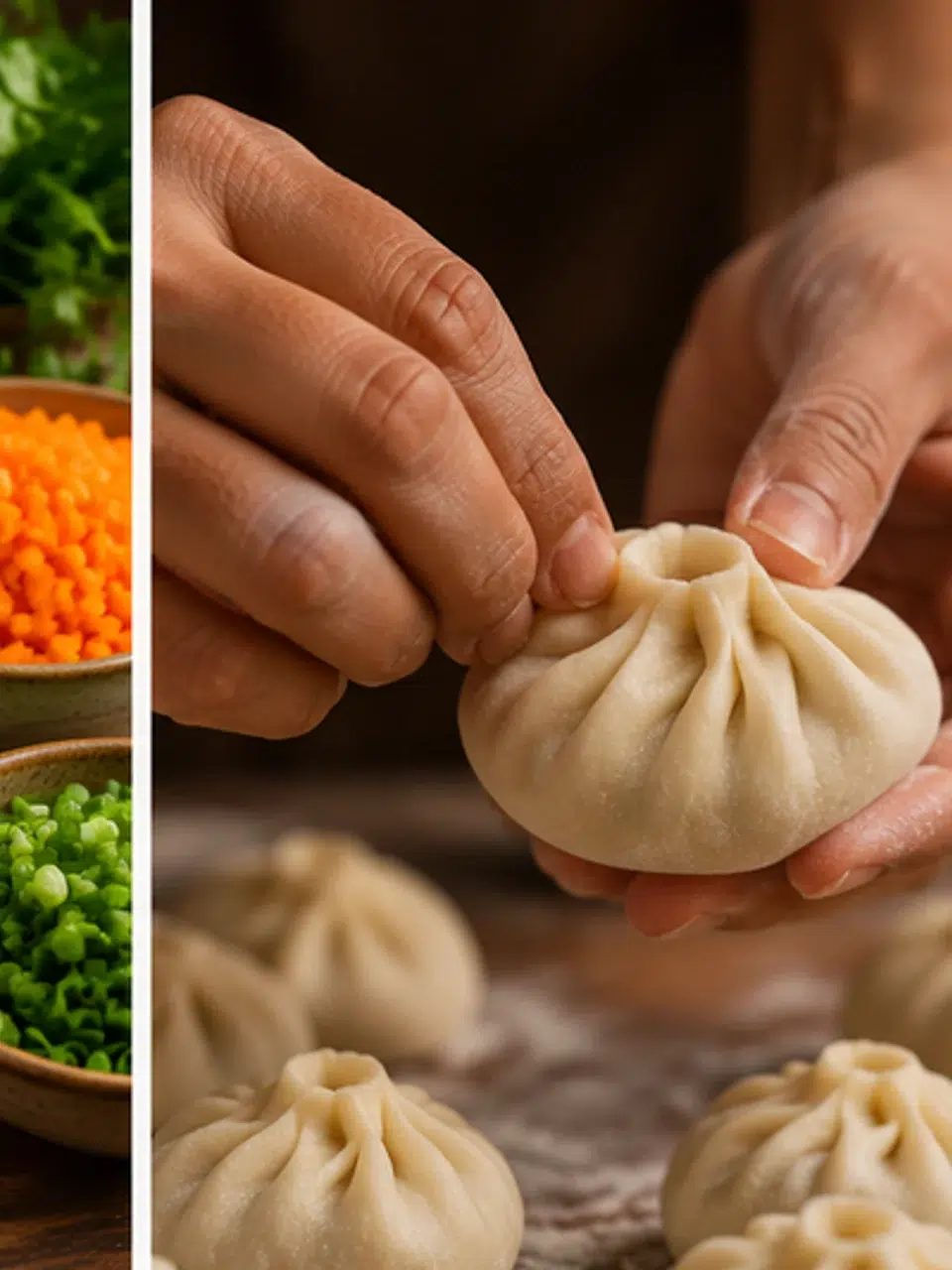
Mild momos for kids: what makes a good filling?
Soft cooked vegetables are often easier to adapt than large pieces of crunchy filling. Finely chop or mash ingredients to a texture the child already manages well; avoid assuming that a soft-looking wrapper makes the complete dumpling easy to chew. Check for dense lumps, slippery kernels or chewy folded edges that could be difficult for a younger eater.
Familiar flavours can help make mild momos for kids more approachable. Cook vegetables thoroughly and use modest seasonings, then offer any new sauce separately. The right texture and portion size depend on the child’s developmental stage and feeding abilities, so caregivers should decide what is appropriate for their individual child.
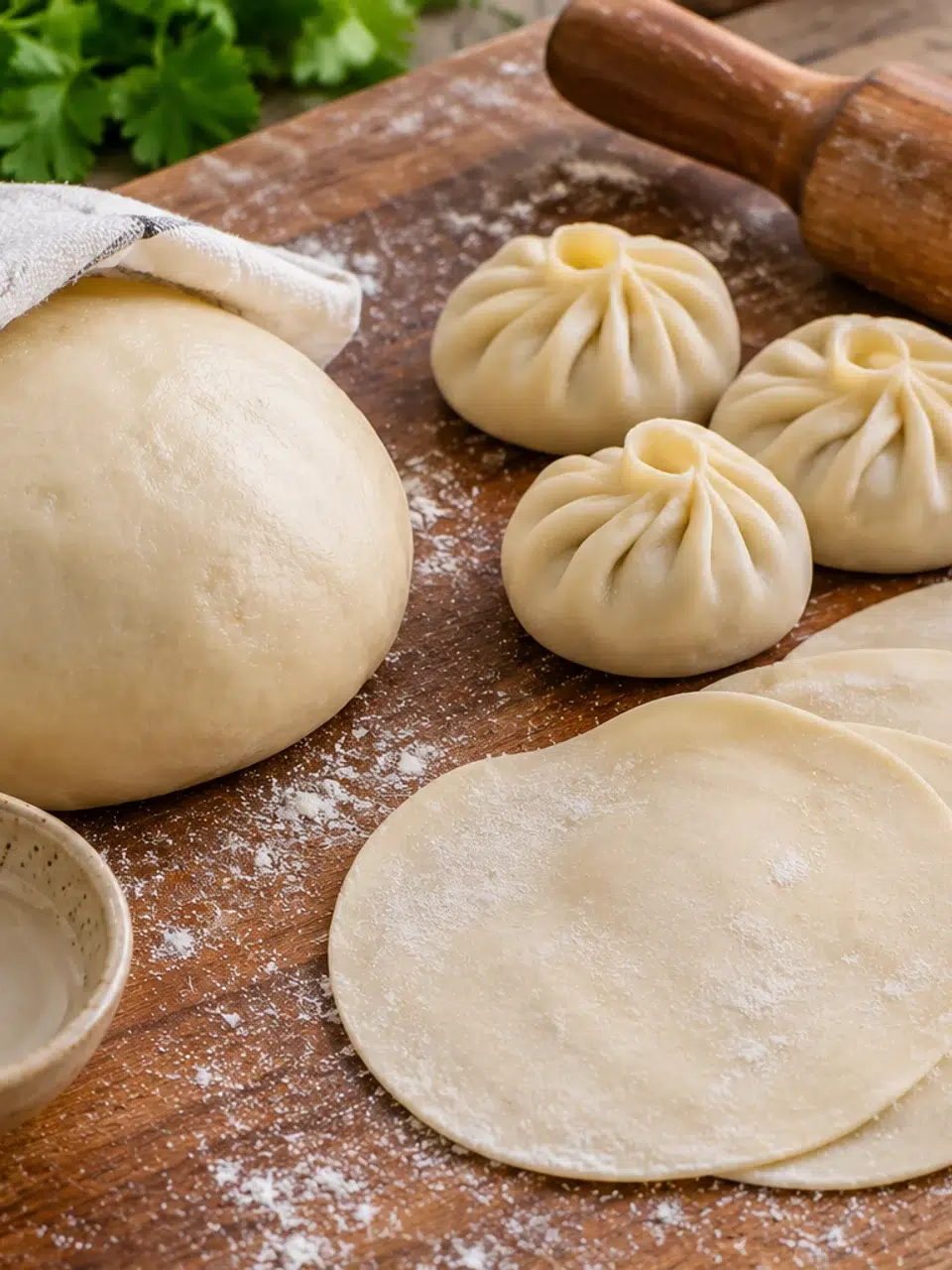
Choose a soft, well-cooked wrapper with a finely chopped filling and no unexpectedly hard chunks. Mild combinations such as cooked carrot–cabbage, mashed potato with ginger or soft corn chopped appropriately may suit some children. Do not assume every age can manage a chewy wheat wrapper. The CDC’s updated choking-prevention guidance says food size, shape and texture should match the child’s development, with supervision and seated eating.
A parent or caregiver checklist
A serving routine is as important as the recipe. Transfer a cooked momo to a plate, allow it to cool, and open the centre to check for trapped heat. Decide whether the wrapper and filling need to be cut, separated or mashed before the child tries them. Offer manageable pieces in a seated meal with an adult supervising throughout.
Never leave a child eating alone with whole dumplings, and do not encourage them to finish food while walking or playing. For children with swallowing difficulties or specific food allergies, get advice from a qualified healthcare professional. Mild momos for kids are not a single fixed recipe or a universal age recommendation.
- Confirm the child is ready for this type of food and can chew the prepared texture.
- Cook the filling and dough thoroughly; do not rely only on steamer timing.
- Let the filling cool enough to avoid burns; the interior can remain hotter than the outside.
- Cut a suitable dumpling into small, manageable pieces and inspect for hard chunks.
- Offer sauce separately and keep chilli optional.
- Check wheat, milk, soy, sesame, peanut and other allergens as appropriate.
- Supervise eating while the child sits upright; avoid eating while running, playing or travelling.
Mild does not mean completely risk-free
A non-spicy sauce can contain dairy or sesame, and a vegetable filling may contain whole corn kernels or other pieces that are difficult for a younger child. A wheat momo can be sticky or chewy. Avoid making universal age recommendations or offering a fixed “safe number of momos” without knowing the child’s development. For allergy-specific care or feeding concerns, follow advice from the child’s healthcare professional.
Three gentle home options
| Option | Home preparation idea | Check |
|---|---|---|
| Carrot and cabbage | Finely chop and cook until pleasantly tender | Wrappers must be fully cooked and cut appropriately |
| Ginger potato | Use smooth-ish cooked potato with modest seasoning | Avoid dense sticky lumps |
| Spinach and corn | Chop vegetables finely; cook thoroughly | Large kernels may need cutting or mashing |
These are home concepts requiring suitable adult supervision; not all are appropriate for all ages.
Sauces and heat control
Serve plain steamed momos or a little cooked tomato sauce without chilli on the side. Sauce can still contain allergens, so check each ingredient and keep sauces in separate bowls. Our momo dough guide can help with a soft wrapper texture.
Cooked food still needs correct storage
Serve a small portion and refrigerate cooked leftovers promptly rather than leaving a child’s plate out for repeated snacking. CDC food-safety guidance recommends chilling perishables within two hours, or one hour in temperatures above 32°C. Reheat leftovers thoroughly before cooling them again to a safe eating temperature. Serve a fresh, manageable portion suited to the child’s individual needs.
Mild momos for kids: a calm serving routine
Serve only a few small pieces at a time on a stable plate, and keep the rest out of reach until they have cooled to a comfortable eating temperature. Check the hottest part of the filling before offering it. A child who can manage a soft, small bite may still struggle with a thick, chewy corner of wrapper, so adapt the size and texture rather than giving every child the same portion.
During meals, have the child sit upright and stay nearby. Avoid eating while walking, playing or riding in a vehicle. When preparing mild momos for kids at home, choose familiar, fully cooked ingredients and let a child taste a tiny amount of a new sauce separately where appropriate for their established feeding needs.
Easy flavour adjustments
For a simple no-chilli dip with tomato, ginger and herbs, see our mild momo dipping sauce recipe. Check every ingredient for individual dietary needs.
When preparing a batch for adults and children, it may be easiest to keep the filling gently seasoned and place the stronger dips on the table. Mild does not automatically mean suitable: wheat wrappers can contain gluten, paneer contains milk and sauces may contain sesame, soy or other allergens. Read ingredient labels and prevent cross-contact when preparing food for someone with a diagnosed allergy.
If the child is trying the food for the first time, avoid pairing several unfamiliar ingredients in a single serving. A simple vegetable filling and a separate sauce make it easier to tell which tastes and textures the child enjoys. For family meals, mild momos for kids can be served alongside familiar vegetables rather than made into a special menu claim.
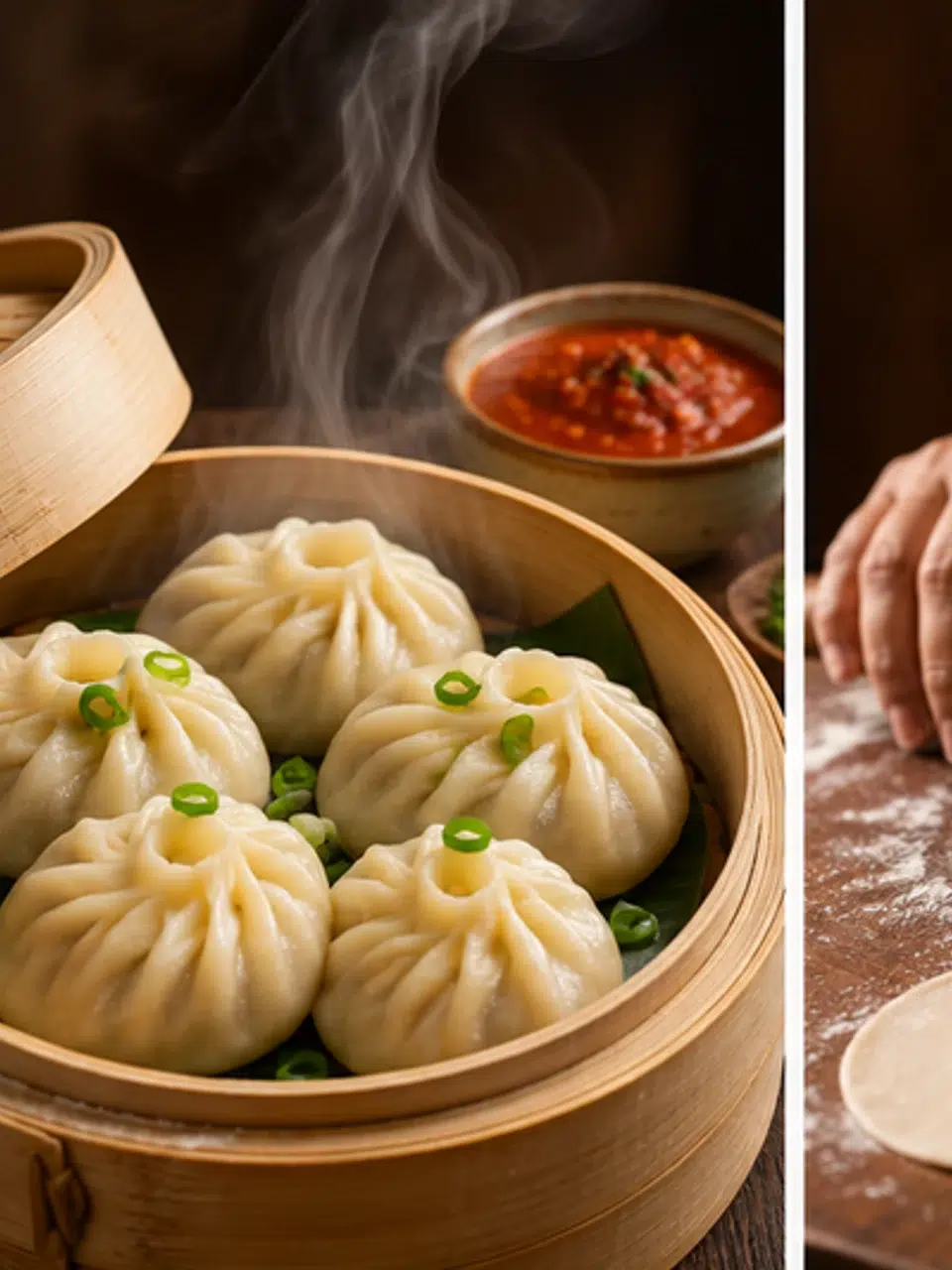
Try ginger in modest quantities, finely chopped cooked greens and a little well-cooked potato instead of a fiery chilli filling. For a more delicate dipping option, serve a small bowl of plain tomato sauce that is not overly hot. Check whether the dough contains wheat and whether fillings include milk or soy. Learn more about soft wrappers in our momo dough guide.
If you are unsure whether a child is developmentally ready for dumpling texture, ask a qualified healthcare professional before serving them. For general restaurant choices, see our momo ordering checklist.
Texture matters more than the word mild
A mild flavour does not automatically make a dumpling easy for every child to eat. The wrapper may be elastic, the pleated edge may be chewy and the filling may contain firm pieces. Caregivers should judge a cooked momo by its actual texture, the child’s chewing ability and whether the food can be prepared in suitable pieces. There is no single age at which every child can safely manage a whole dumpling.
For a softer filling, chop suitable vegetables finely and cook them thoroughly. Cabbage, carrots and other vegetables can vary in texture after cooking, so check the finished mixture rather than assuming that all pieces will soften in the same way. A small amount of gentle seasoning can provide flavour without relying on chilli. The filling should be moist enough to eat comfortably but not so wet that it makes the wrapper difficult to seal.
Open a cooked dumpling before serving to check for trapped heat and identify any dense or slippery pieces. Allow it to cool to a comfortable eating temperature, then cut, separate or mash components as needed for the particular child. Mild momos for kids work best when caregivers adapt the portion, not when a family expects children to handle an adult-style platter unchanged.
If a child has feeding or swallowing difficulties, discuss the suitable food texture with a qualified healthcare professional. This guide is a practical home-serving resource, not a substitute for individual clinical feeding advice.
Use familiar ingredients to introduce a new shape
One reason dumplings can appeal to families is that they wrap familiar foods in a new format. If a child already enjoys cooked carrots or cabbage, those vegetables may be a reasonable starting point for a filling. Keep the first recipe simple so the child can focus on the wrapper and shape instead of meeting several intense new flavours at once.
Prepare the vegetables carefully, season modestly, and cook the entire dumpling thoroughly. If the child does not enjoy a folded wrapper, a caregiver can serve appropriately prepared filling and wrapper pieces separately. There is no need to insist on a particular presentation; the aim is a calm experience with a safe texture and balanced family meal.
Offer dips in small separate portions where suitable, rather than coating the entire plate. A tomato-based sauce may taste quite acidic or spicy even when its appearance is mild. Yogurt-based dips introduce dairy, and nut- or sesame-based sauces introduce additional allergens. Read labels and be aware of family-specific dietary requirements before adding unfamiliar sauces.
Mild momos for kids can also be part of a meal with familiar cooked vegetables, water and other appropriate foods. Parents and caregivers should select portions suitable for appetite and individual feeding abilities. A child who wants to try only a small piece has still had an opportunity to explore the dish.
A calm family cooking workflow
Prepare the filling in advance of the folding session, using clean utensils and appropriate refrigeration for perishable ingredients. If young family members want to help, assign tasks that suit their abilities, such as arranging napkins or identifying vegetables. Keep sharp tools, hot steam and uncooked fillings under adult control. Cooking together should be enjoyable, not an excuse to relax food-hygiene precautions.
Keep dough covered between rolling batches so the wrappers do not dry out. Work with a manageable amount of filling and return the rest to refrigeration as appropriate. A neatly sealed wrapper helps the contents stay together during cooking, but do not assume that one folding method is safer for every child. The finished food still needs to be fully cooked and prepared for serving.
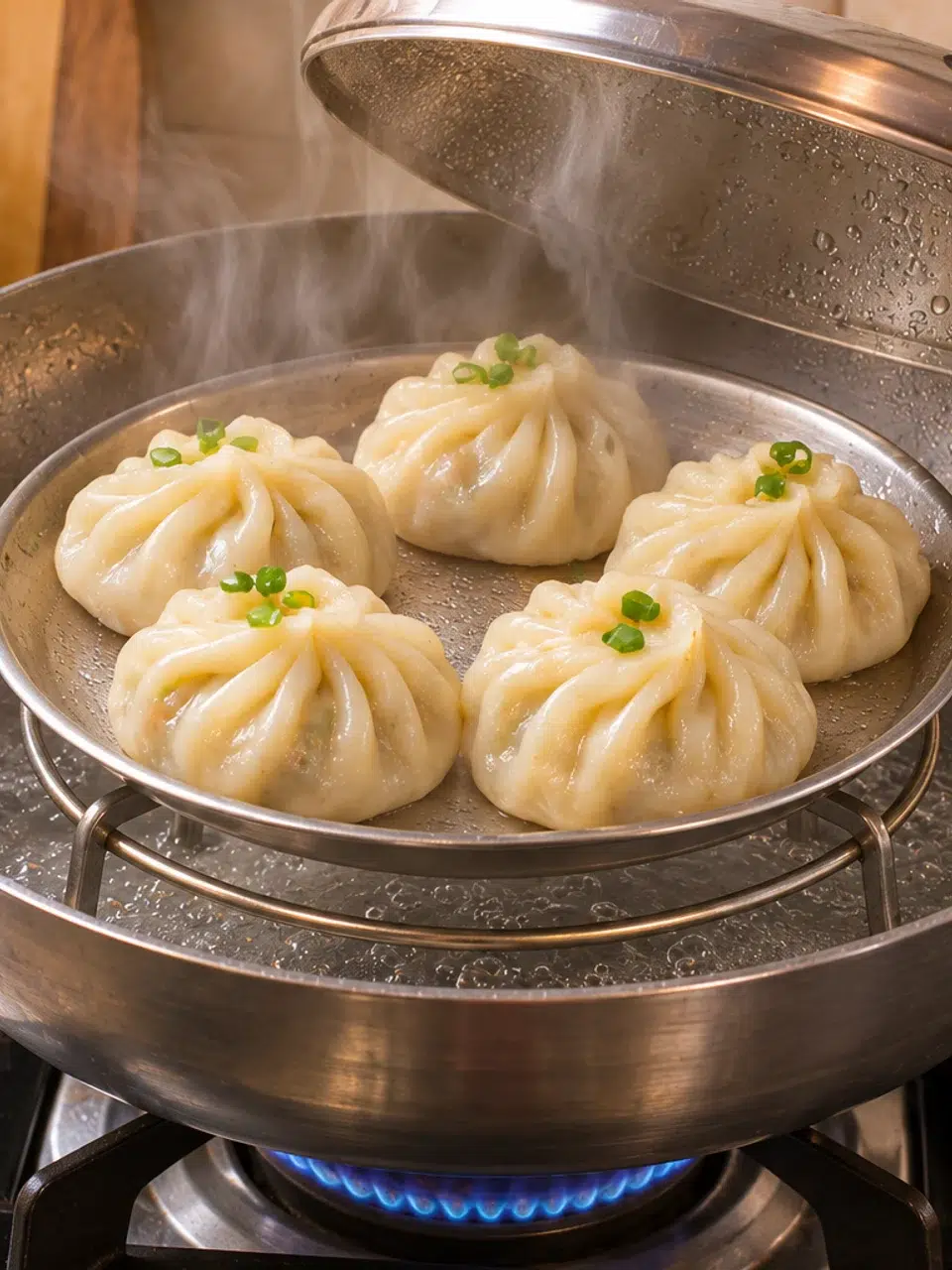
When steaming, place dumplings apart so the equipment can work effectively. Check that the filling is properly cooked; do not rely only on how transparent or glossy the wrapper looks. Transfer cooked pieces with a suitable utensil and allow cooling time away from the steamer. Hot fillings can hold heat after the outside feels cooler.
Before serving mild momos for kids, the caregiver should inspect the cooked dumplings and prepare suitable bites. Seat the child comfortably and supervise the entire meal. Families with multiple children may need different serving styles at the same table; there is no advantage in making everyone eat identical whole pieces.
Manage sauces, spice and allergens carefully
Spiciness and allergens are separate considerations. Removing chilli can make a dish less hot, but it does not remove wheat from a wrapper, milk from paneer or sesame from a dipping sauce. Some seasonings can also feel sharp or acidic even without chilli. If a child has a food allergy, use verified ingredients and safe preparation procedures rather than relying on the word mild.
Offer sauces separately and label them in a shared family meal. If adults prefer a chilli-heavy achar, keep that container distinct from the children’s serving area. Use separate spoons so a spicy or allergen-containing dip is not mixed back into a mild sauce. A household can prepare one gently seasoned batch of filling while allowing adult diners to customise their own plates later.
For children with a diagnosed allergy, check all components: the wrapper flour, filling, oil, premade sauces, garnishes and any shared preparation surface. A vegetable filling may still contain dairy or soy. The presence of a familiar ingredient does not guarantee that the complete dish is suitable. If an ingredient or cross-contact risk cannot be verified, choose a known safe alternative.
When planning mild momos for kids at a restaurant rather than at home, ask staff about the specific item and its preparation, not just whether it is “child-friendly.” A clear ingredient answer is more helpful than a broad assurance. If necessary, order plain suitable food instead of a mixed platter with uncertain components.
Serving at family gatherings and celebrations
At a busy gathering, a large shared platter may be appealing but difficult to manage for children who require adapted portions. Consider preparing each child’s serving on a separate plate before passing around shared dishes. The caregiver can check the filling, temperature and texture in a quieter setting, with the child seated rather than moving through the room.
Serve small suitable portions and offer more if wanted. A crowded plate can make it hard to tell which piece has been cooled or cut. Avoid encouraging children to eat quickly because other guests are waiting or a second course is arriving. Calm supervised eating is more important than finishing the same amount as an older sibling or an adult.
When guests have different dietary needs, label fillings and sauces clearly and use separate serving utensils. Do not mix vegetable and meat dumplings on one unmarked tray if people must distinguish them. If a child has a severe food allergy, an unverified buffet-style setting may not be suitable; discuss safer meal arrangements with the caregiver in advance.
Mild momos for kids can be served alongside other familiar dishes instead of presented as a special restaurant product. If food must be transported, plan for appropriate temperature control and prompt service. Do not let cooked dumplings sit at room temperature throughout a long event. Safe timing, personal supervision and clear labelling make family hosting easier.
What to do if the first serving does not go well
A child might dislike the wrapper texture, the smell of a seasoning or the appearance of a folded dumpling. That preference does not require pressure or a dramatic response. Offer a familiar suitable food alongside the new item and allow the child to decide whether to taste it. A calm approach keeps the meal enjoyable for everyone at the table.
If a filling seems too firm, check whether its preparation can be adapted next time. Finely chopped cooked vegetables may work better than larger pieces for some children, while others prefer the components served separately. If the sauce was too intense, try presenting an appropriately mild option in a small cup rather than mixing it into every bite.
Do not use extra sauces to disguise a food that has not been cooked properly or stored safely. If a dumpling was left out too long or has an uncertain history, discard it rather than trying to improve the taste. A new version can be planned for another day with clearer handling and less pressure at mealtime.
For repeated difficulties chewing or swallowing, or concerns about food allergies and reactions, seek personalised advice from an appropriate healthcare professional. Mild momos for kids are only one possible family food. The right goal is a safe, comfortable experience suited to the child, not a perfect photograph or a fixed number of pieces eaten.
Frequently asked questions
Are whole momos safe for toddlers?
Do not assume so. Follow developmentally appropriate texture and small-piece guidance and supervise eating.
Is no-chilli sauce suitable for every child?
Not necessarily. Consider food allergies, temperature, ingredients and individual feeding needs.
How do I keep a child’s momo plate mild?
Start with tender, fully cooked fillings and skip chilli in the filling. Offer sauces separately and check food temperature and texture before serving.
Sources and further reading
Explore more ideas on the Momo Crown story and menu pages.