
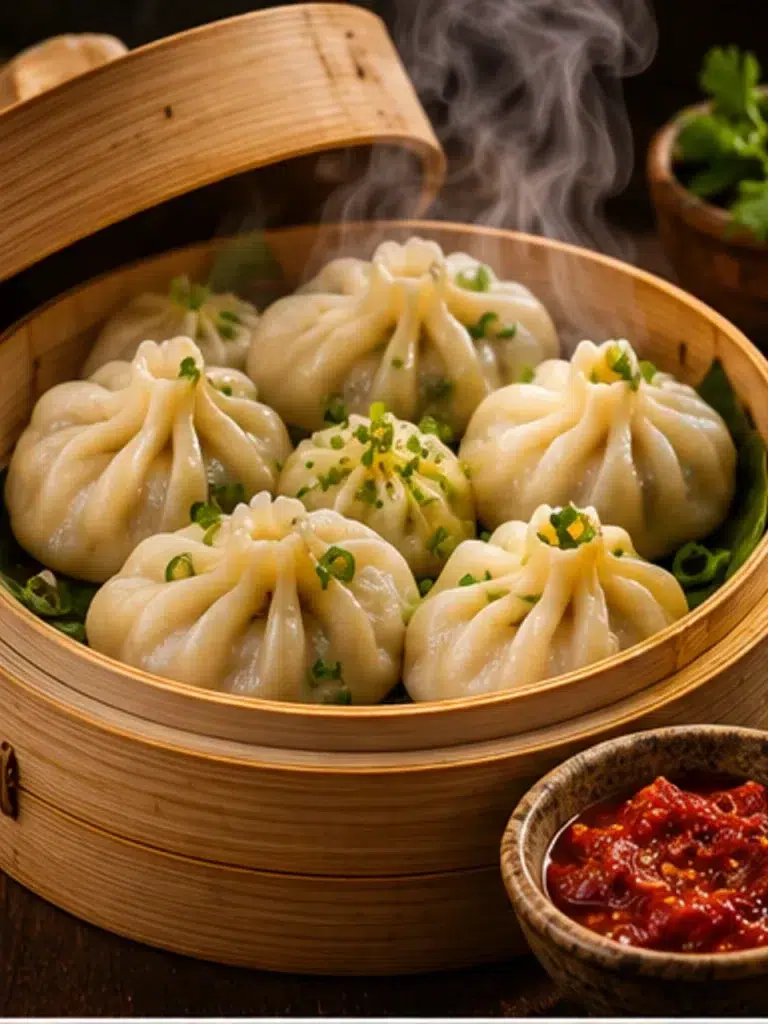
Momo ordering checklist: Before ordering from a new momo outlet, confirm its opening status, read the current menu and ask how ingredients are prepared. These 12 smart checks help you choose with confidence, whether you prefer tender steamed momos or a crisp pan-fried finish.
On this page
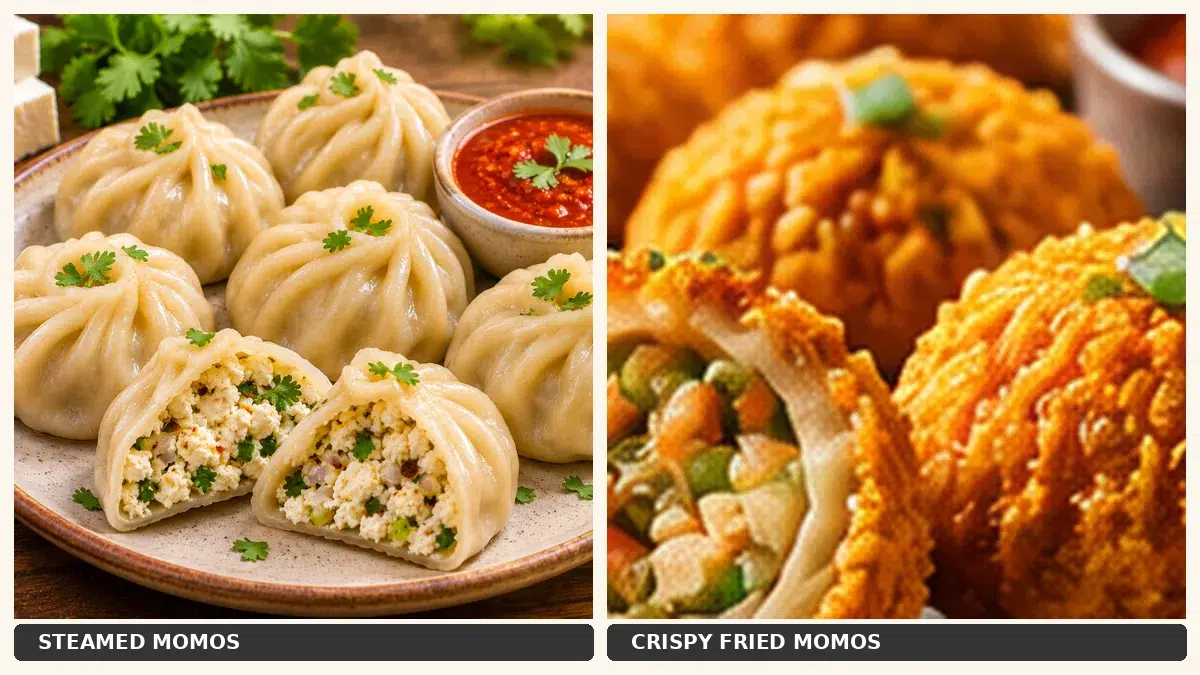
Momo ordering checklist: 12 smart checks before your first order
- Use an official business channel to confirm the location is actually open.
- Check current opening hours, exact address and ordering method.
- Read the actual menu and prices rather than relying on an old screenshot.
- Choose steamed, pan-fried or fried based on your texture preference.
- Ask what the wrapper is made from, especially for wheat avoidance.
- Verify the filling ingredients, including milk, soy, egg and meat.
- Ask how raw meat is kept separate from ready-to-eat food if relevant.
- Clarify whether sauces contain peanut, sesame, soy or dairy.
- Check how cooked food is held hot or cold when displayed.
- Find out whether the portions, sauces and taxes are included in the shown price.
- Assess the restaurant’s response to reasonable dietary questions.
- Recheck confirmed ordering and delivery availability rather than assuming buttons are live.
The difference between an appearance cue and evidence
Presentation helps you understand a dish, but it is the answers behind the counter that make an order easier to trust. Ask whether the listed item is prepared to order, held for later service, or supplied frozen for final cooking. These approaches can all produce appealing momos when properly handled. What matters is clear information about how the selected dish is prepared, stored and served.
Use your momo ordering checklist as a conversation starter, not an inspection certificate. If the answer is unclear, ask a more specific question such as “Does the sauce contain sesame?” or “Is this filling cooked before steaming?” Practical, courteous questions usually get better answers than broad requests for guarantees.
Allergies require specific questions
A clear allergen question has three parts: the ingredient, the sauce, and the preparation area. For example, a vegetable filling might have no paneer, yet a dipping sauce could include dairy; a wheat wrapper may be handled on a surface also used for other fillings. People with a diagnosed food allergy need ingredient and cross-contact details they can rely on before placing an order.
When ordering for several guests, write down dietary requests before choosing a platter. Keep special requests attached to the correct dish rather than assuming an entire mixed platter meets everyone’s needs. The same momo ordering checklist works for delivery orders: check the item notes and confirm that a special instruction can actually be fulfilled.
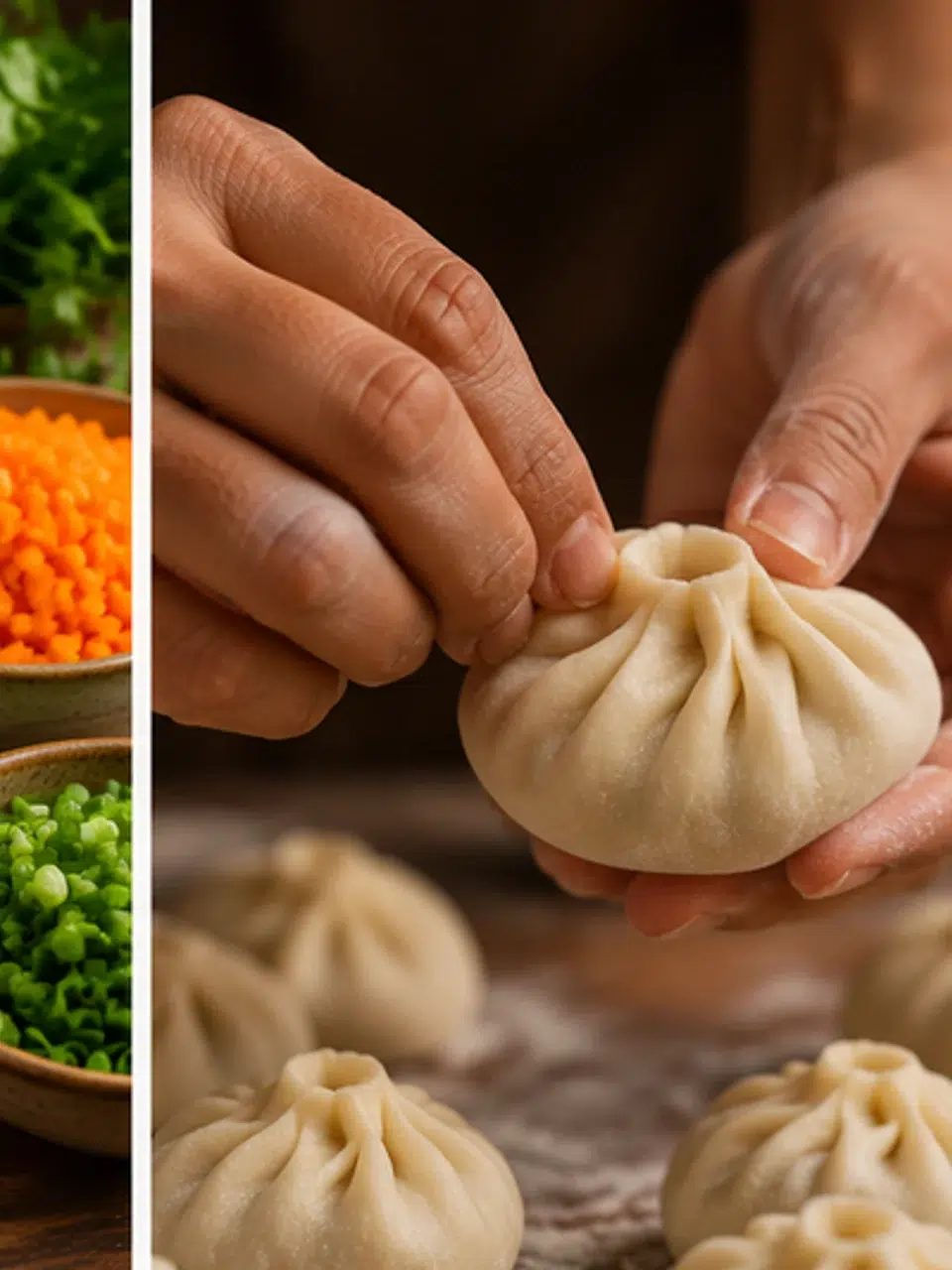
How to compare momo portions and value
| What to compare | What to ask |
|---|---|
| Portion | How many pieces or what serving weight? |
| Filling | Which vegetable, dairy or meat ingredients? |
| Cooking | Steamed, pan-fried, deep-fried or coated? |
| Sauce | Included or charged separately? |
| Final price | Are applicable taxes or service charges extra? |
| Availability | Is the outlet and selected dish actually ready to serve? |
Use the checklist when exploring Momo Crown
Explore the Momo Crown menu to compare momo styles and accompaniments. The official locations page provides the best starting point for current outlet details. To choose between textures, read our steamed versus pan-fried momos guide.
Helpful ordering questions for groups
When estimating an order, first decide whether momos are the main meal or an appetizer. Someone having soup, noodles or a second course may want fewer pieces than someone ordering only dumplings. Instead of picking a quantity from a photograph, compare pieces per portion, fillings, sauces and total cost. Consider ordering a variety only when each guest can identify which pieces meet their preferences.
For pickup, confirm the address and arrival window; for delivery, check whether sauces travel separately and how the order will be packed. Taking these steps makes the momo ordering checklist useful beyond choosing a flavour. It also prevents a familiar problem: an attractive menu order that arrives without the expected sides or with an avoidable substitution.
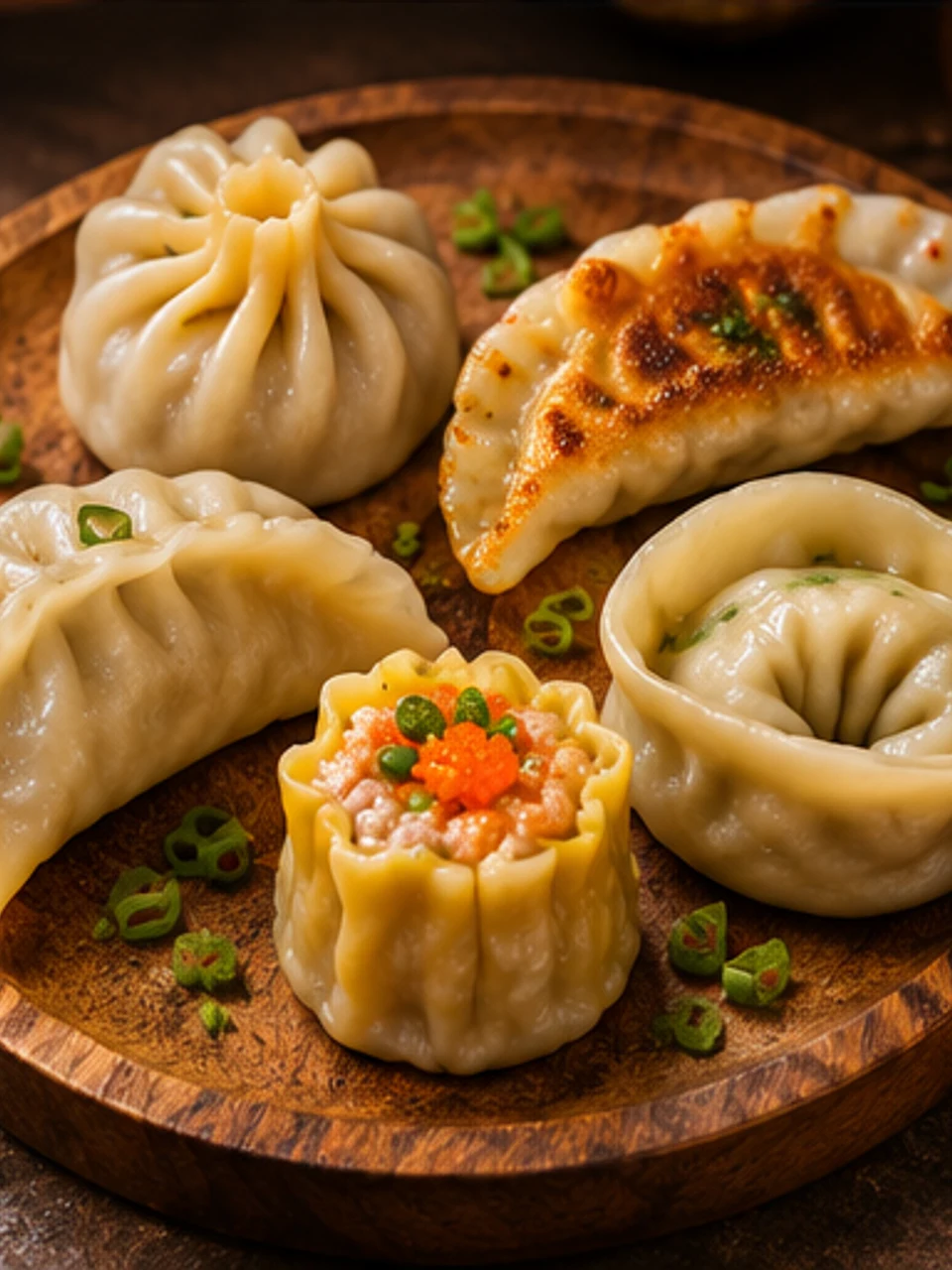
For a mixed group, ask who prefers vegetables, paneer, meat, mild sauces or more heat before selecting portions. Split sauces into labelled cups where possible, and use separate utensils if dietary needs differ. Ask the outlet what is prepared separately; menu labels alone cannot confirm how a kitchen manages allergens.
Share one clear order summary before checkout: outlet, menu items, quantities, cooking styles, sauces, expected collection or delivery time and total payable. If an item is unavailable, confirm a suitable replacement rather than accepting a surprise substitution. Our momo platter guide for groups offers a simple way to plan portions. For families, see our mild momos for kids serving guide.
How to tell a useful answer from a vague one
Specific answers are more useful than slogans. A restaurant should be able to explain the ingredients in a sauce, how a dish is cooked, and whether a requested change can be accommodated. If staff do not have a verified answer about a serious allergy, choose another suitable dish or supplier. A practical momo ordering checklist helps you compare information, not make assumptions about any particular kitchen.
Compare the full order, not only the menu price
A useful price comparison begins with the actual serving. Two portions priced similarly may contain different numbers of momos, a different filling, or different sauces. Before ordering, confirm the quantity, size of the portion and whether accompaniments are included. A picture of a generous-looking bowl is not a reliable substitute for the menu description.
Imagine two options: one lists six steamed pieces with a dipping sauce, while another lists eight pan-fried pieces with a separately priced sauce. Neither offer is automatically better. The more sensible choice depends on whether the guest wants a light snack, a substantial meal, a crisp finish or a gentler steamed wrapper. The total at checkout matters more than a headline figure.
For delivery, add any packing, delivery and platform fees shown before confirmation. A discount may only apply above a minimum spend, and an offered item may not be available at every outlet. A momo ordering checklist should account for these details without assuming that one channel will always be cheaper. Ask whether the displayed amount is an estimate or the final payable amount.
When multiple people are sharing, calculate portions from confirmed piece counts and other dishes on the table. If one person needs a particular vegetarian option or verified allergen handling, select and label that portion separately. Do not let the appeal of a mixed platter override a dietary constraint.
Steamed, pan-fried or deep-fried: choosing a texture
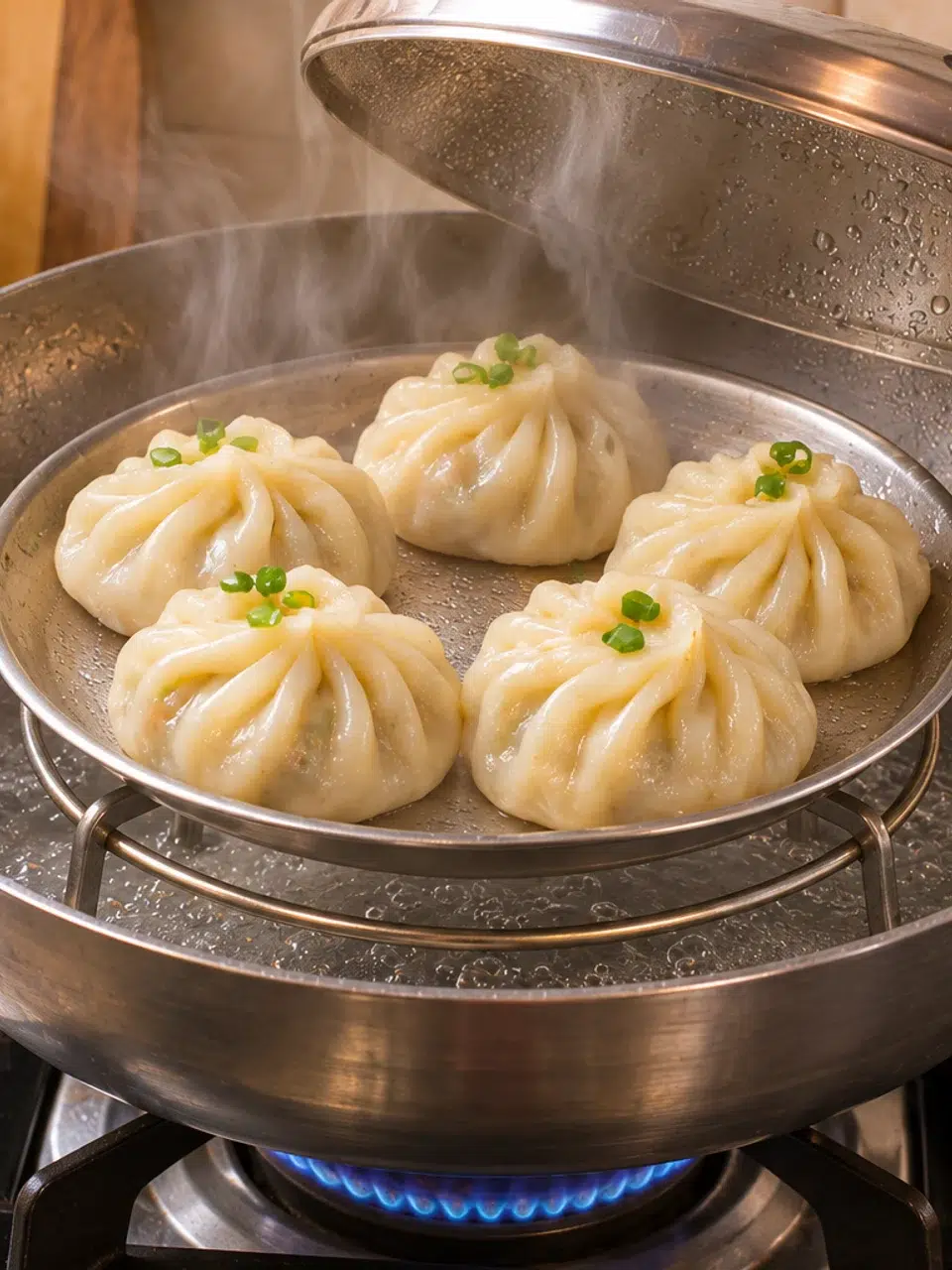
Steamed momos usually put the soft wrapper and filling in the foreground. Pan-frying can add a browned base while leaving the rest of the wrapper relatively tender. Deep-frying produces a different, more uniformly crisp exterior. These labels describe cooking styles, not an automatic ranking of flavour, nutrition or food safety.
Ask how a particular restaurant uses the terms. One kitchen may start with cooked steamed dumplings before crisping them; another may cook and brown the dumplings in one pan. Neither method tells you everything about the temperature reached in the filling. If a dish contains meat, reliable cooking practices matter more than the wrapper colour. Appearance alone does not prove that food is thoroughly cooked.
Sauce can change the experience as much as the cooking technique. A pourable tomato or sesame-based broth makes the meal softer and more spoonable; a thick achar works as a dip; a creamy sauce can add richness and possible dairy allergens. A spicy sauce should not be assumed to be a standard inclusion. Use the momo ordering checklist to ask for sauce ingredients and an option to serve it separately.
For a first order, choose a familiar texture and a manageable portion, then explore other variations later. A guest who dislikes oily food may prefer steaming; someone seeking a crisp base might choose pan-fried momos. The goal is to match the menu description to personal taste rather than treating one style as universally superior.
What to confirm before ordering for dietary needs
Food labels such as “veg,” “paneer,” “mild” and “no onion or garlic” describe different things. “Veg” does not necessarily mean vegan. Paneer is made from milk, a mild sauce may still contain allergens, and a wheat wrapper is not gluten-free. For anyone with a specific medical or religious dietary requirement, ask about the complete dish: wrapper, filling, sauces, garnishes and cooking surfaces.
One helpful approach is to make two questions separate. First: “Does the recipe include this ingredient?” Second: “Could that ingredient contact my food during preparation or service?” The first deals with the written recipe; the second addresses cross-contact. For a serious food allergy, general reassurances are not enough. Seek confirmed ingredient information and an appropriate preparation process; if uncertainty remains, do not place that order.
For vegetarian or vegan diners, confirm that broth, frying fat, sauces and garnishes meet their preference. Ask whether a mixed platter includes dishes cooked or served with meat. An apparent vegetable item may use an animal-derived stock or a dairy-based finish; the menu alone may not make these details obvious. An informed diner should be able to ask without embarrassment.
Keep dietary notes concise and specific rather than sending a long paragraph in the order instructions. The momo ordering checklist can be shortened to three essential fields for a particular guest: the ingredient that must be avoided, what preparation information is needed, and whether the outlet can confirm the request before purchase.
How to evaluate pickup and delivery details
Before collection, verify that you have selected the right outlet and that its stated pickup window matches your travel plans. Different branches can have different menus, promotions and availability. If the website shows an upcoming location rather than an open one, treat it as information to monitor, not proof that orders can already be collected there.
For delivery, check the address, phone number, delivery window and item notes. Choose a method of packing that keeps sauce containers secure and distinguishes different fillings. When the app offers a contact-free handoff or a substitution option, read the implications before confirming. These practical details are more useful than a vague promise of “fast delivery.”
When the food arrives, compare the received items with the receipt. If a filling, side or dietary instruction appears incorrect, contact the outlet or ordering service promptly. Do not taste a potentially unsafe item to establish whether an allergen is present. Report a genuine problem factually, with the order number and what was received, instead of assuming its cause.
Hot prepared food should be handled promptly and sensibly at home. If you are not eating immediately, follow suitable food-safety guidance for holding, cooling and refrigeration. A momo ordering checklist ends with receiving and serving the food safely; it does not end when a payment button is pressed.
Three real-world ordering scenarios to think through
Scenario 1: A quick lunch for one person
Start with the likely appetite and the role of the dish: light lunch or full meal. Compare the listed portions, select a preferred filling, and decide whether a separate sauce is worth adding. Check the final price and the time before your lunch break. If it is your first order, a smaller familiar option can tell you more about the outlet than an expensive multi-item order.
Scenario 2: Six colleagues sharing at work
Ask colleagues about vegetarian preferences, spice tolerance and food allergies before placing the order. Keep sauce containers clearly labelled, plan utensils for shared dishes, and note who needs a separate portion. Confirm pieces per serving rather than guessing based on photographs. The momo ordering checklist makes a team lunch more predictable because the organiser can show the exact menu choices to everyone before checkout.
Scenario 3: A family meal with different tastes
One diner might prefer steamed vegetables, another crisp pan-fried momos, and a child might require a mild, appropriately cut serving. Select dishes that allow those differences and avoid assuming a spicy dipping sauce suits all guests. Serve hot fillings at a suitable temperature, supervise children, and keep their portion size appropriate to their ability to chew safely.
These examples are not promises about the products or operating arrangements of any particular restaurant. They are decision patterns you can adapt to an available menu, a confirmed outlet and the needs of your own group.
A short script for getting clear answers
Restaurant staff are more likely to answer accurately when a question names the specific dish and concern. Instead of asking “Is everything fresh and safe?”, ask about the item you intend to buy. A clear question allows staff to consult an ingredient list, manager or kitchen procedure where available. If the answer needs checking, that is a reason to confirm, not automatically a reason to distrust the business.
For ingredients: “I am looking at the vegetable steamed momos. Could you confirm the ingredients in the wrapper, filling and dipping sauce?” If you need to avoid a particular ingredient, say so explicitly. For an allergy, ask about cross-contact and rely on information that the business can verify.
For service: “Is the listed outlet currently open for pickup, and are these items available today? How many pieces are included, and does the displayed price cover the sauce and applicable charges?” For delivery, replace the pickup question with one about the available delivery area and expected collection or dispatch process.
For changes: “Can the sauce be packed separately, and can you confirm that this request is possible before the order is accepted?” A friendly but specific message is much easier to act on than a collection of unsorted instructions. Finish the momo ordering checklist by checking that the reply answers the actual question. If it does not, ask once more or choose a different suitable option.