
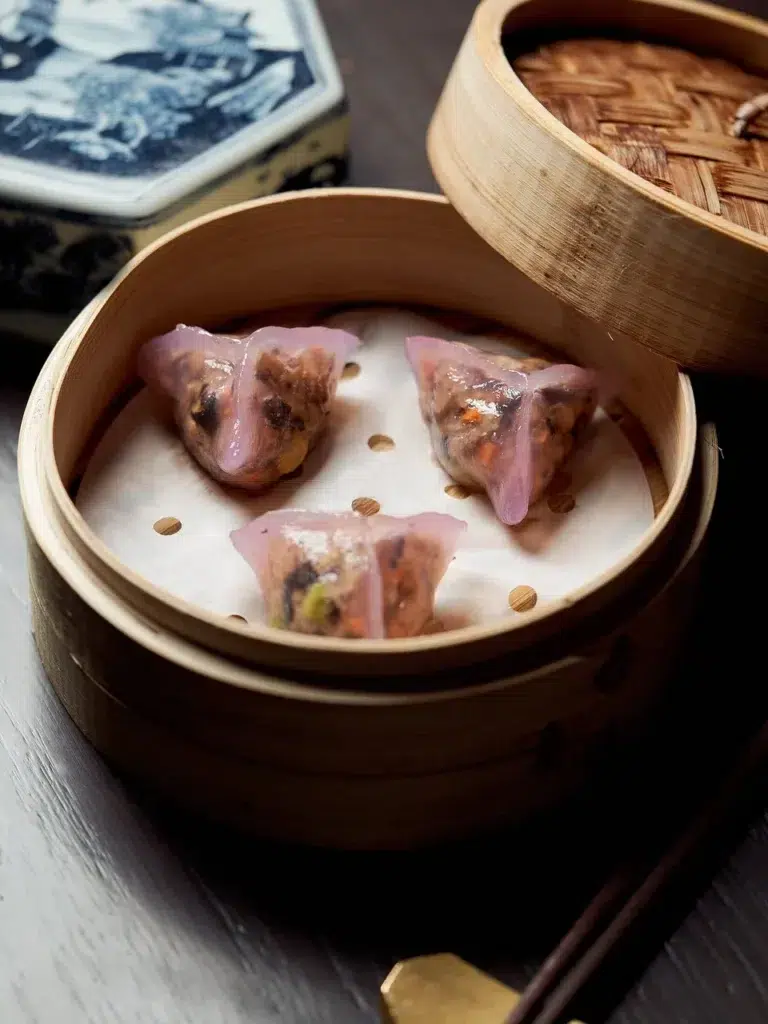
Quick answer: Beetroot can tint momo wrappers pink without added food colouring. A small amount of cooked, cooled beetroot puree is easier to manage than pouring in lots of raw juice. Colour varies with the beetroot, dough and cooking conditions; the technique is about appearance and flavour, not exaggerated nutrition claims.
On this page
Ingredients
Wrapper
- 150 g plain wheat flour
- 40–60 g smooth cooked beetroot puree, cooled
- Approximately 20–45 ml water, only as needed
- ¼ tsp salt
Filling
- 90 g finely chopped cabbage
- 60 g carrot
- 30 g spring onion
- 1 tsp ginger
- 1 tsp oil
- Pepper and salt to taste
Step-by-step method
- Wash the beetroot under running water, cook until tender, cool safely and blend to a smooth puree without flooding it with water.
- Mix flour and salt; stir in 40 g puree, then add a little more puree or plain water only until a firm pliable dough forms. Rest covered.
- Finely chop vegetables, sauté briefly to control moisture and allow the mixture to cool promptly.
- Roll small discs, keeping a little strength in the middle and thin flexible edges.
- Add filling, seal without overstuffing and set on a lightly oiled tray.
- Steam above water until the thickest dough fold is fully cooked and the filling is hot. Expect the pink tone to vary.
Natural colour is variable
Beetroot pigmentation can change with variety, heat and acidity. The steamed wrapper may be lighter or duller than the raw dough, and there is no guarantee of a vivid restaurant-style colour. A measured puree is easier to distribute evenly than chunks of grated beetroot. If you need a repeatable commercial result, it would require actual product testing.
Dough hydration: count the puree as liquid
Do not add the full water quantity from an ordinary momo recipe on top of a wet puree. Start with the puree and add plain water gradually. A dough that sticks to the worktop is difficult to pleat, while a dry dough cracks. See the dough guide for hand-feel cues and wrapper thickness guide for rolling technique.
Filling choices that make sense
A mild cabbage, carrot and ginger filling lets the wrapper’s earthy note remain noticeable. You can add paneer for a dairy-rich version, but this introduces milk as an allergen. Keep vegetables chopped finely and avoid overly wet filling that would stain or tear the thin dough. Our filling moisture guide covers the practical fixes.
Food safety and presentation
Wash firm vegetables before peeling or cutting, following the FDA produce guide. Do not taste raw flour dough. Chill prepared fillings promptly and keep the steamed momos separate from colourful sauces if you want the pink wrappers to remain visible. Serve with a sharp tomato-based or mild ginger sauce on the side.
Explore the Momo Crown menu for current beetroot momo listings and the locations page for outlet updates.
How Beetroot Colours Momo Wrappers Naturally
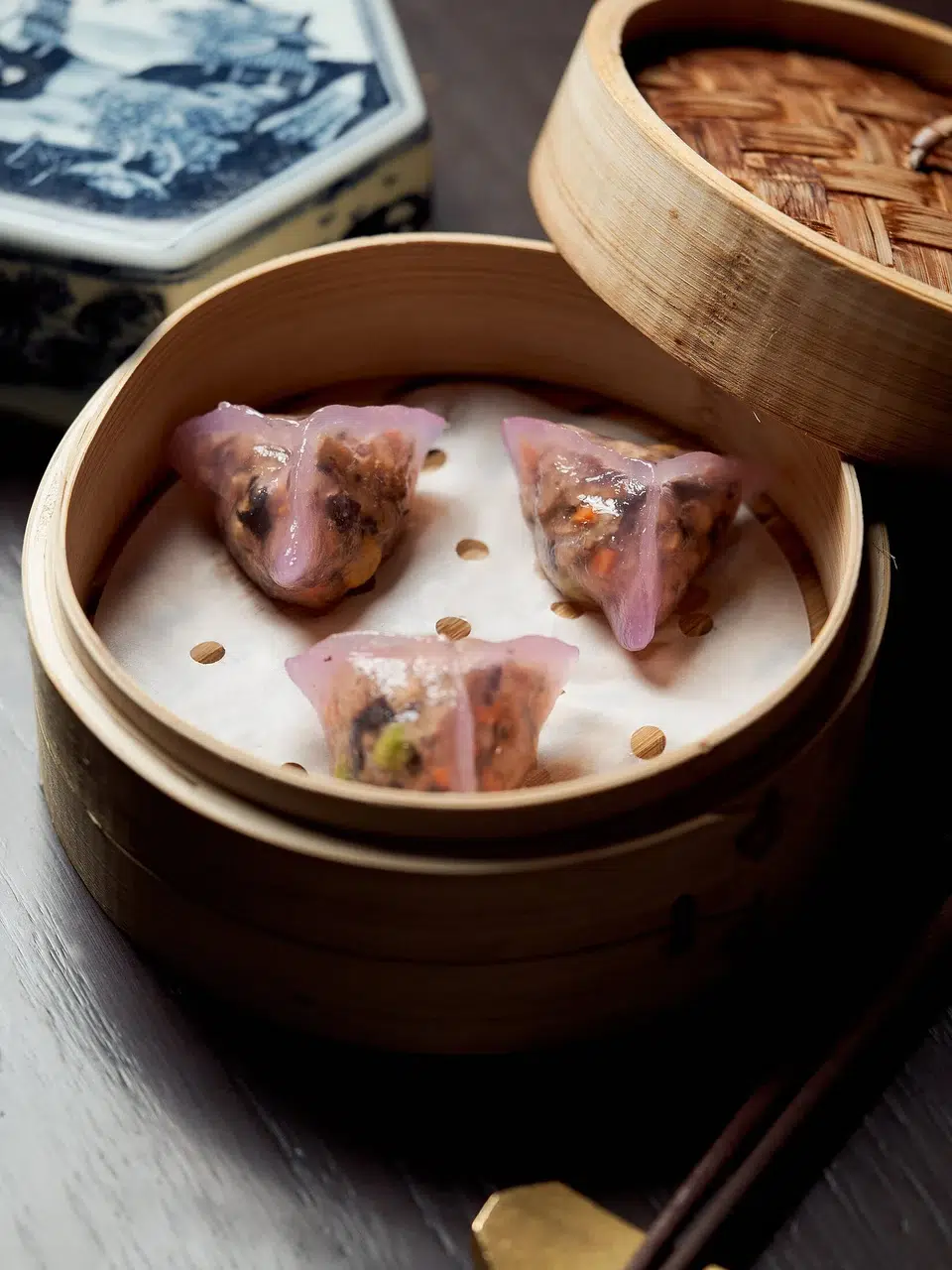
Beetroot contains natural pigments that can tint a wheat dough pink or reddish-purple. The final shade depends on the beetroot, the flour, how much puree is used and what happens during heating. Some batches turn soft pink, others appear deeper red, and some lose brightness after steaming. That variation is normal; a home recipe should not promise an identical colour in every kitchen.
Using smooth cooked beetroot puree allows you to control the amount of colour and moisture more easily than pouring in a large quantity of raw juice. The puree may also add a mild earthy flavour, especially if it is concentrated. Start with a modest amount and adjust the next batch according to how the dough rolls and tastes after cooking. The recipe’s purpose is a visually distinctive vegetable wrapper, not an exaggerated health claim.
Colour alone does not establish how many nutrients a finished dumpling contains. The final meal depends on the flour, filling, portion size and cooking method. The beetroot wrapper also still contains wheat and gluten when made with the plain flour listed here. Verify the entire recipe if preparing food for someone with dietary restrictions.
Prepare Smooth Beetroot Puree for Dough
Wash beetroot thoroughly before peeling or cutting it. Cook it until sufficiently tender for pureeing, using a method suited to your equipment. Allow the beetroot to cool safely before adding it to dough; very hot puree can make the mixture awkward to handle and may change the way the flour absorbs liquid. Use a clean blender or masher and process the beetroot until smooth enough that large pieces will not break the wrapper.
Measure the puree before mixing. The starter recipe uses approximately 40–60 g of cooked beetroot puree with 150 g of wheat flour, and the exact additional water need will depend on how wet the puree is. If the beetroot is extremely juicy, you may need very little extra water; if it is thick, add water gradually. Do not dump all the planned water in at once and then try to repair the dough with a large quantity of flour.
Refrigerate any unused cooked puree promptly in a clean container. Do not leave it on the worktop for hours while preparing the filling and wrappers. If the puree has already been handled or stored unsafely, making it into dough is not a remedy. Good hygiene matters for a vegetable-based recipe as much as for any other prepared food.
Balance Beetroot Puree and Water in the Wrapper
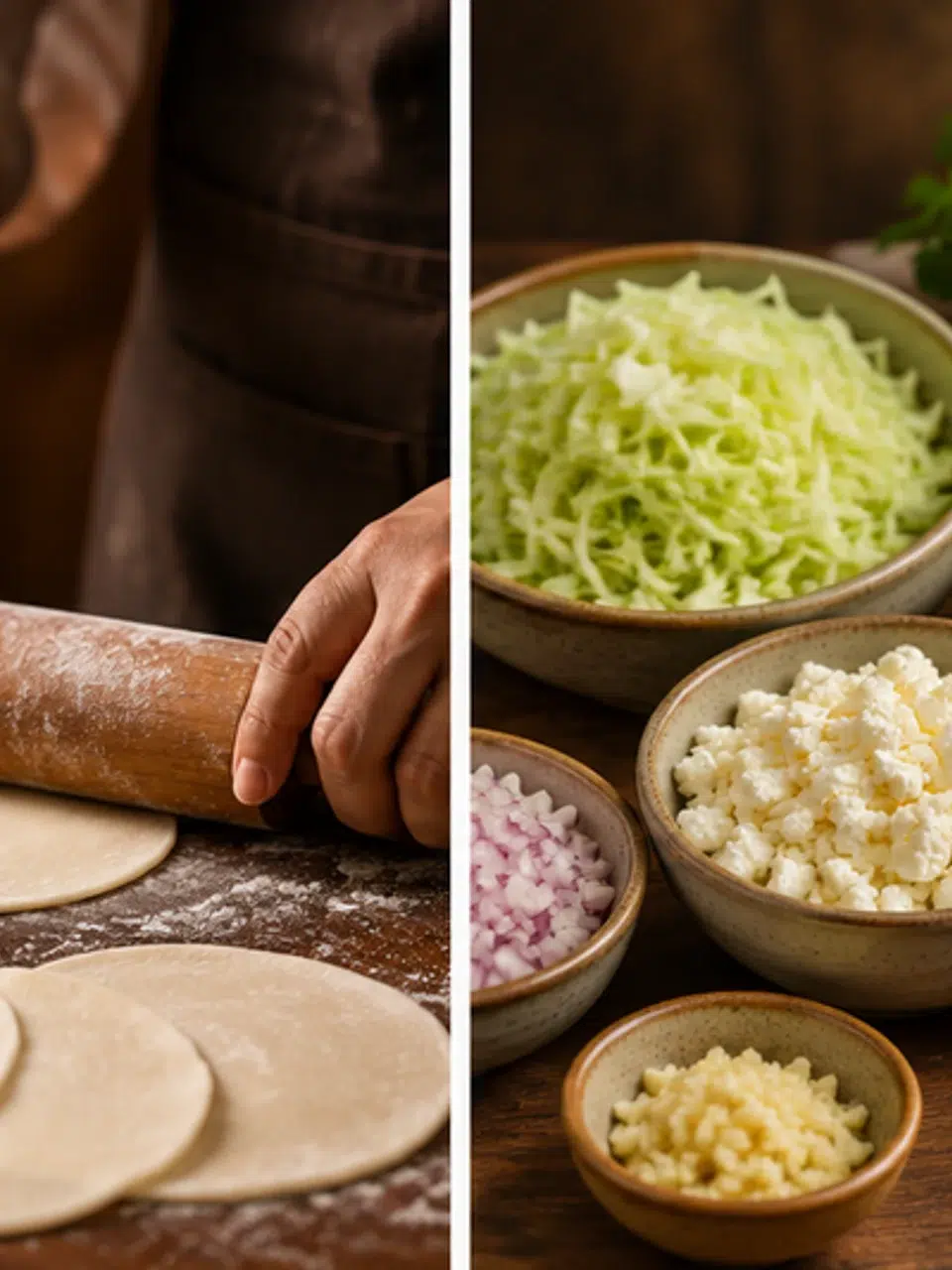
Begin by combining wheat flour and a small amount of salt. Add the measured cooled beetroot puree and mix it into the flour so the colour spreads evenly. Add water a little at a time while kneading. The goal is a supple dough that holds together, not a wet paste. If the mixture feels sticky at first, give it a short covered rest before adding more flour; hydration can change as the flour absorbs liquid.
Once the dough is smooth enough, cover it and allow it to relax so it rolls more easily. A rested dough should stretch gently without frequent cracking, and the colour should look reasonably even across a small rolled sample. If the dough remains dry, add water in small increments. If it is overly soft, make careful adjustments rather than adding large amounts of flour that dilute the colour and change the wrapper texture.
Beetroot puree contributes both pigment and liquid. This is the key difference from plain wheat wrappers and the main reason a fixed water figure cannot guarantee success. Our soft momo dough guide explains water, kneading and resting, while wrapper thickness guidance covers how to roll a supportive base and fine rim.
Choose a Vegetable Filling That Works with Pink Wrappers
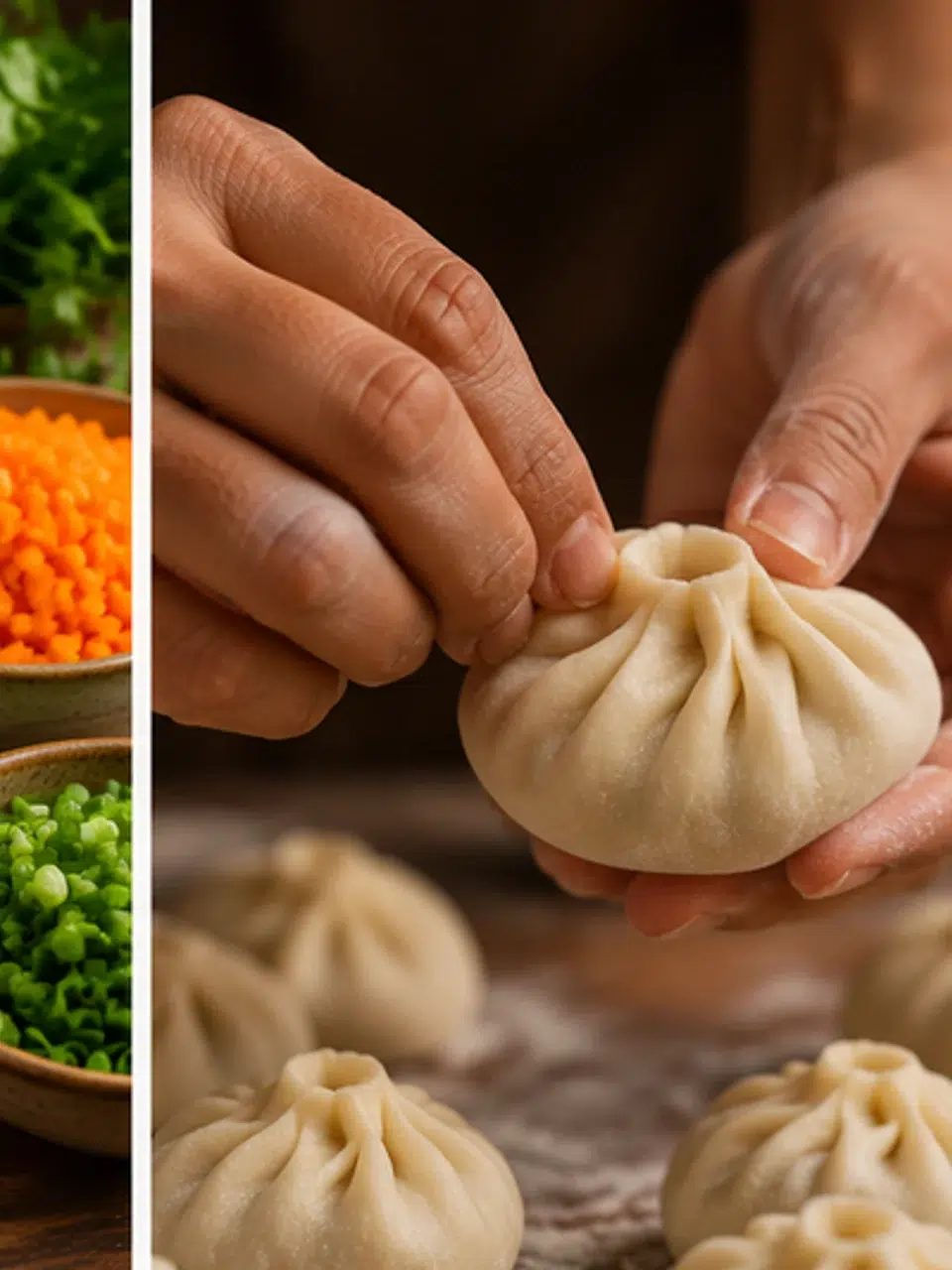
A cabbage-carrot mixture with a little ginger is a practical first filling because it is easy to chop finely and season gently. The visible beetroot wrapper already provides colour, so the filling does not need an elaborate ingredient list. Use washed, clean vegetables and avoid large pieces that could puncture a thin round. Finely chopped spring onion can add freshness if your household enjoys it.
Cabbage can release liquid after chopping and salting, so season close to assembly time or cook down some moisture when appropriate. A wet vegetable mixture may leak through the wrapper before it is even placed into the steamer. If the filling is cooked before assembly, cool it safely before wrapping. Aim for a mixture that sits together on a spoon and leaves the dough rim clean.
For another variation, use drained firm tofu with ginger and vegetables, remembering that tofu contains soy. Paneer is a milk ingredient and creates a vegetarian but not vegan filling. When preparing for guests, do not assume that a pink wrapper identifies the ingredients inside. Label fillings and check the sauce as well, especially when allergens or strict dietary needs matter.
Roll and Fold Beetroot Momos Without Tearing the Dough
Divide the rested pink dough into small equal portions. Keep the unused pieces covered and roll only a few rounds at a time. Aim for a centre strong enough to carry the filling and a slightly thinner edge so the pleats do not become too thick. If a wrapper cracks, assess whether the beetroot puree was thick, the dough was underhydrated or the exposed edge has dried during shaping.
Place a modest amount of vegetable filling in the middle. Keep the rim free of oil and wet filling, then close the wrapper with a simple half-moon fold or a few small pleats. The colour may make uneven thickness easier to see in some light, but appearance is not a substitute for a secure seam. Do not stretch a very small wrapper around too much filling just to create a larger dumpling.
Move shaped momos to a suitable lightly prepared tray with gaps between pieces. A painted-looking pink wrapper can still stick to metal just like a plain dough wrapper. For detailed folding examples, read four easy momo folds, and for tray preparation see sticking-to-steamer fixes.
Steam Pink Momos Completely Without Chasing Colour
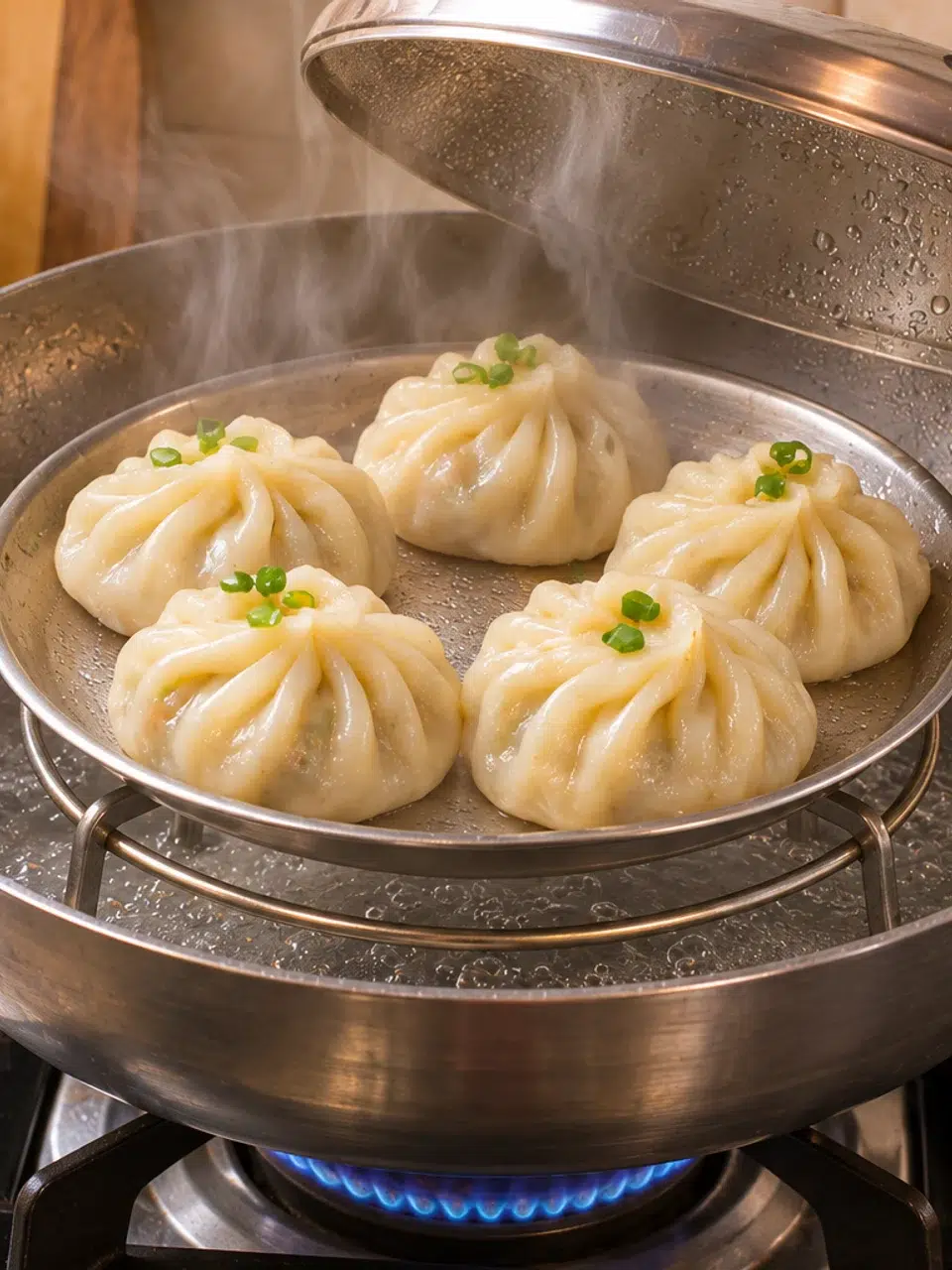
Prepare a stable steamer with a raised tray and enough water below it for the expected cooking period. Lightly grease the surface or use a suitable perforated liner that permits steam circulation. Arrange the raw momos apart and cover according to the equipment instructions. A gentle steady steaming process helps the wrapper and filling cook without direct immersion.
Beetroot colour can fade, deepen or become less vivid during cooking. Do not stop steaming early just because you want to preserve an especially bright shade. The raw wheat dough must be fully cooked, including the thickest pleated section, and the filling must be appropriately cooked. If the filling contains raw meat in a variation, follow its safe internal cooking temperature rather than relying on the wrapper’s colour.
Lift finished pieces carefully from underneath using a suitable utensil. Avoid pulling a delicate top knot if the underside is stuck to the tray. Serve promptly or refrigerate safe leftovers within appropriate time limits. The FDA warns that raw flour dough can contain microbes, so never taste or serve an undercooked wrapper simply because it looks colourful.
Why Is My Beetroot Momo Colour Pale or Uneven?
Pale wrappers: The beetroot puree may be very light, or the amount may be small relative to the flour. Check how it looked before steaming and adjust the next batch gently rather than adding food colouring automatically. The exact shade depends on the beetroot and cooking conditions, and no home method guarantees a bright pink final product.
Streaks of colour: The puree may not have been smooth or evenly mixed with the flour. Mash or blend the cooked beetroot thoroughly and incorporate it before adjusting water. A short covered rest can help the dough become more uniform. Large chunks may also make the wrapper fragile when rolled thin.
Sticky dough: The beetroot puree contributed more liquid than anticipated. Rest the dough briefly, then adjust with small amounts of flour only if needed. Dry or cracking dough: The puree may have been thick or the dough was exposed to air. Review hydration and keep the portions covered. Correct the dough texture first, then worry about colour.
Colour fades after steaming: Some natural pigment changes during heat exposure. A correctly cooked, gently pink momo is a better result than an undercooked bright one. Serve with a contrasting tomato dip or fresh coriander if you want more visual interest without altering the cooking safety.
Serve Beetroot Momos with Suitable Dips and Sides
A vivid wrapper can look appealing beside a simple tomato-ginger sauce. For a gentle pairing, use our mild momo dipping sauce; if you enjoy heat, try garlic-free red tomato chutney. Keep the dips separate and allow guests to add them to their own plates so the pink wrapper remains visible.
For a light family meal, pair steamed beetroot momos with cooked vegetables and a clear broth, checking any packaged stock for dietary ingredients. A stronger dip can overshadow a mildly earthy beetroot wrapper, so taste the combination with one dumpling before serving a whole tray. The right accompaniment is a matter of personal taste rather than a universal rule.
Label the filling accurately. A beetroot-coloured wrapper does not make a dish automatically vegan, gluten-free or nut-free. Wheat remains in this dough, paneer introduces dairy if used, and nut-based sauces can contain peanuts or sesame. When planning a mixed table, use clean serving tongs and avoid cross-contact with incompatible ingredients.
Make-Ahead Beetroot Momos and Safe Leftovers
You can prepare the vegetable filling and cooked beetroot puree before the main folding session, but store perishable components promptly in suitable clean containers. Do not leave them at room temperature for a long period while shaping dough. If you plan to freeze uncooked assembled momos, place the pieces separately on a tray until firm, then transfer them to labelled freezer-safe packaging.
Keep raw and cooked dumplings clearly identified. For a frozen raw batch, use an appropriate full cooking method rather than a brief reheating cycle. For cooked leftovers, use clean shallow containers, refrigerate within normal food-safety limits, and reheat thoroughly before serving. Our raw momo freezing guide and reheating guide give step-by-step options for different starting foods.
After refrigeration, the wrapper may feel firmer and its colour may look less intense. Gentle moist reheating can improve texture, but no method should be used to salvage a batch held under unsafe conditions. Serve sauces separately and check the actual storage history, not just the appearance of the pink dough.
Beetroot Momos Recipe: A Practical Batch Checklist
| Stage | What to check | Common mistake |
|---|---|---|
| Puree | Cooked, cooled and smooth | Large beetroot pieces break the wrapper |
| Dough | Soft, covered and pliable | Adding all water without accounting for puree |
| Filling | Finely chopped with little free liquid | Wet vegetables weaken seams |
| Folding | Modest filling and secure rim | Stretching a thin wrapper too far |
| Steaming | Completely cooked dough and filling | Stopping early to preserve bright colour |
| Serving | Clear ingredient labels and clean utensils | Assuming pink means allergen-free |
Begin with a small practice batch and inspect the rolled wrapper before preparing every piece. If the dough cracks, correct its moisture and resting. If the filling leaks, adjust vegetable preparation. If the steamed wrapper loses some colour, accept the natural variation rather than sacrificing doneness. Keeping each part of the process distinct makes the recipe much easier to repeat.
For a more conventional base to compare, see our vegetable momos recipe. The beetroot version follows the same basic folding and steaming principles, with the additional step of managing the moisture and pigment contributed by the puree.
Frequently asked questions
Will the beetroot flavour be very strong?
It depends on the puree amount and beetroot used. Starting with a modest quantity lets you assess the flavour.
Is the colour guaranteed to stay bright pink?
No. Heating and ingredients change the shade. Do not promise a particular colour without testing.
Does beetroot make ordinary wheat momos gluten-free?
No. This version still uses wheat flour.
Sources and further reading
Explore our dough fundamentals and steaming technique guide. Check Momo Crown’s published menu for confirmed product names and prices.