
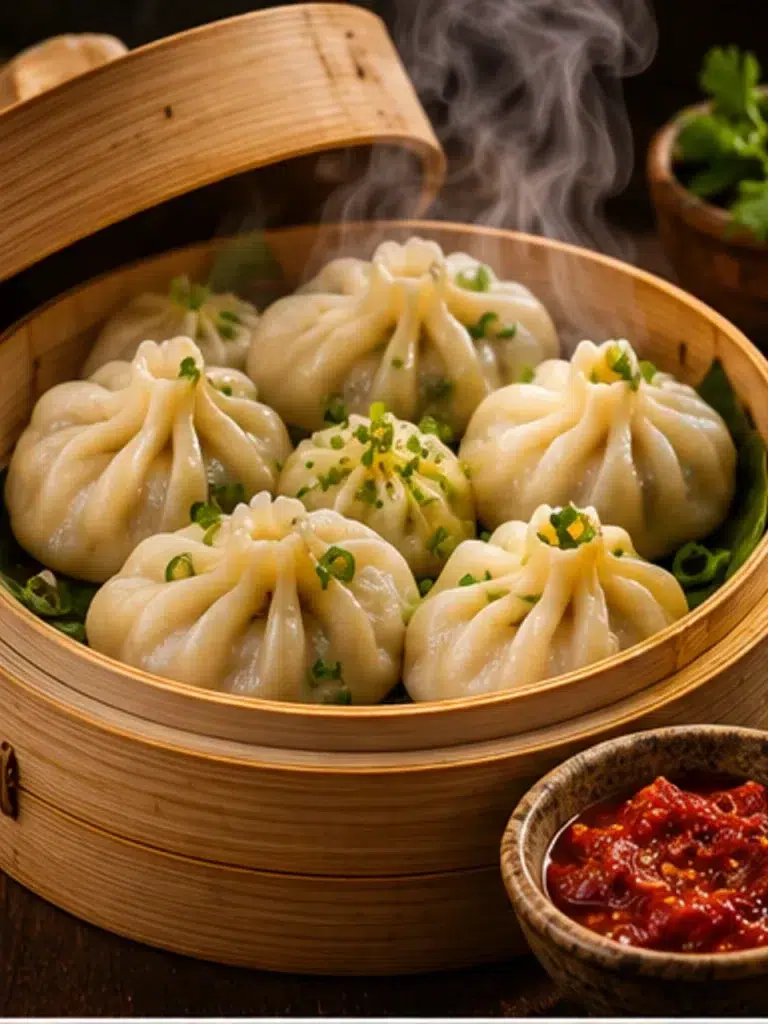
Quick answer: You can cook many frozen momos without thawing, especially by steaming them, but you must first know whether the dumplings were frozen raw or precooked. The wrapper becoming tender does not automatically mean the filling has reached a safe temperature. Always follow commercial pack instructions when provided.
On this page
The label check that changes everything
Raw frozen momos: Their dough and filling require cooking. This includes homemade pieces frozen after folding but before steaming. Fully cooked frozen momos: These have already been cooked and need appropriate reheating. Unclear packaging: Treat the product cautiously and contact its manufacturer; do not guess based on colour. The USDA cautions that some frozen prepared products can look cooked while remaining raw.
Use separate utensils for raw chicken pieces and ready-to-eat sauces or vegetable sides.
Steaming frozen momos: a practical method
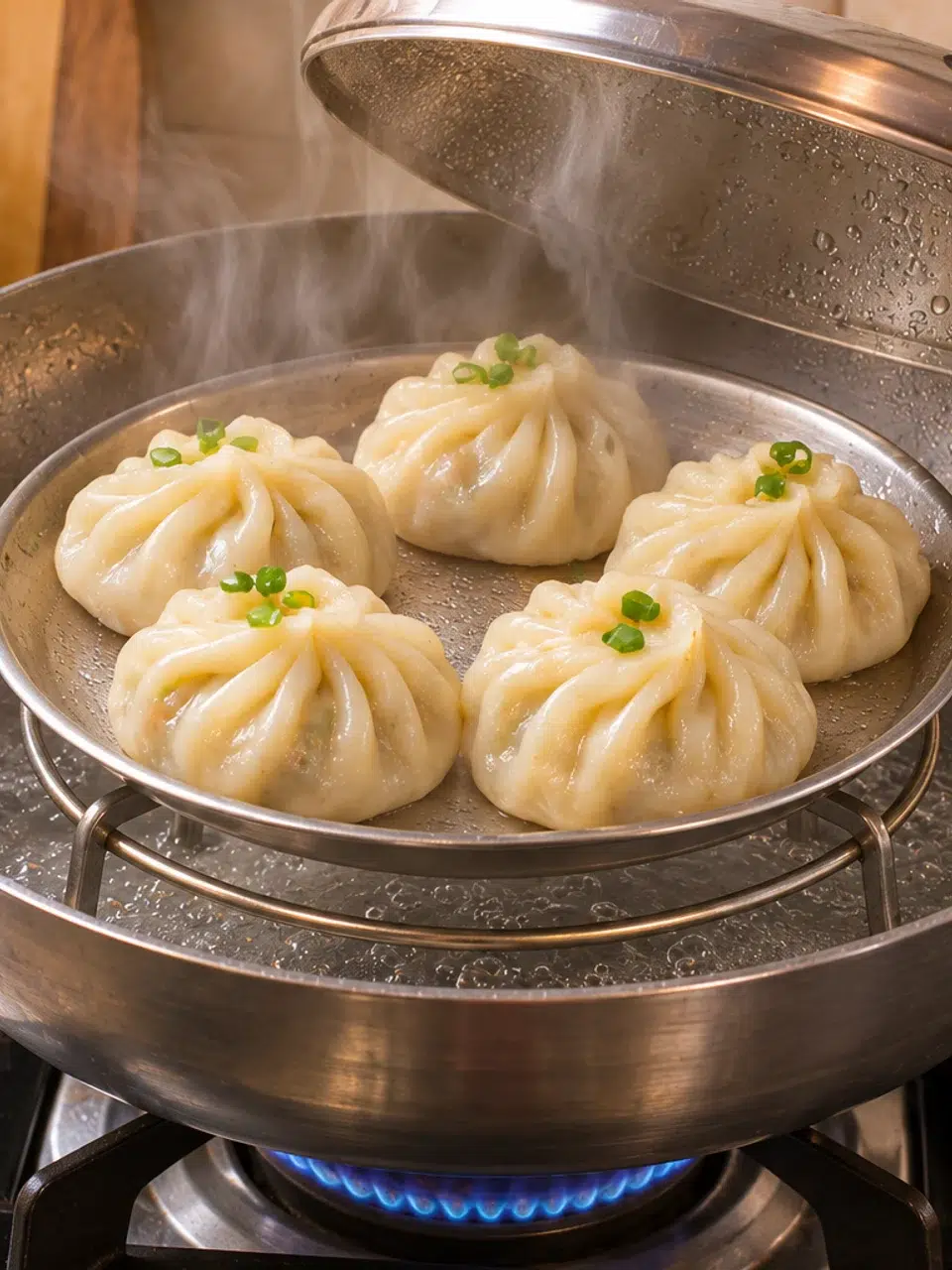
- Bring a pot with a compatible steamer tray to a steady simmer.
- Keep water below the tray and ensure the basket sits securely.
- Lightly oil the steaming surface; do not block all steam holes.
- Arrange frozen pieces in one layer with a little space between them.
- Cover and steam long enough to cook the entire centre, not merely the outer pleats.
- Check the thickest piece and serve promptly.
Cooking from frozen generally takes longer than cooking the same dumpling fresh; size and filling make a fixed “X minutes for every momo” unreliable. For a non-specialist setup, use our covered-pot steaming approach.
Cooking from frozen vs thawing first
Avoid overnight countertop thawing. USDA identifies refrigerator, cold-water and microwave thawing as safe methods for appropriate foods, with immediate cooking after cold-water or microwave thawing. Many shaped momos are best kept frozen until steaming because thawing can make dough sticky and seams fragile. Pack instructions remain the priority for commercial dumplings.
Food thermometer guidance for meat fillings
A small momo is awkward to probe, but safety still matters. For chicken or turkey, FoodSafety.gov gives a minimum internal temperature of 74°C (165°F). Check the thickest filling in a representative large piece with a clean, appropriately sized probe. For precooked frozen leftovers, the reheating target is also 74°C. A raw vegetable momo should have cooked dough and a fully heated filling, even though the specific poultry temperature does not describe its ingredients.
Frozen momo troubleshooting
| Problem | Possible reason | Practical response |
|---|---|---|
| Frozen clump | Pieces touched during freezing | Do not rip apart; follow safe thawing or loosen gently during cooking |
| Sticky bottoms | Tray was bare or pieces crowded | Lightly grease and separate |
| Broken seams | Rough handling or vigorous boiling | Prefer gentle steaming |
| Hot wrapper, cold filling | Insufficient heat penetration | Continue cooking, verify centre |
| Dry, cracked edges | Freezer exposure or dried wrappers | Package airtight and protect from freezer burn next time |
Storing extras after cooking
Put cooked leftovers into shallow covered containers and refrigerate promptly at 4°C or below. FoodSafety.gov advises using refrigerated cooked leftovers within three to four days; reheat thoroughly before serving. Freezing keeps food cold but does not sterilize it. For a make-ahead process, see our wrapper guide and current pan-fried momo technique.
Raw Versus Precooked Frozen Momos: A Quick Decision Guide
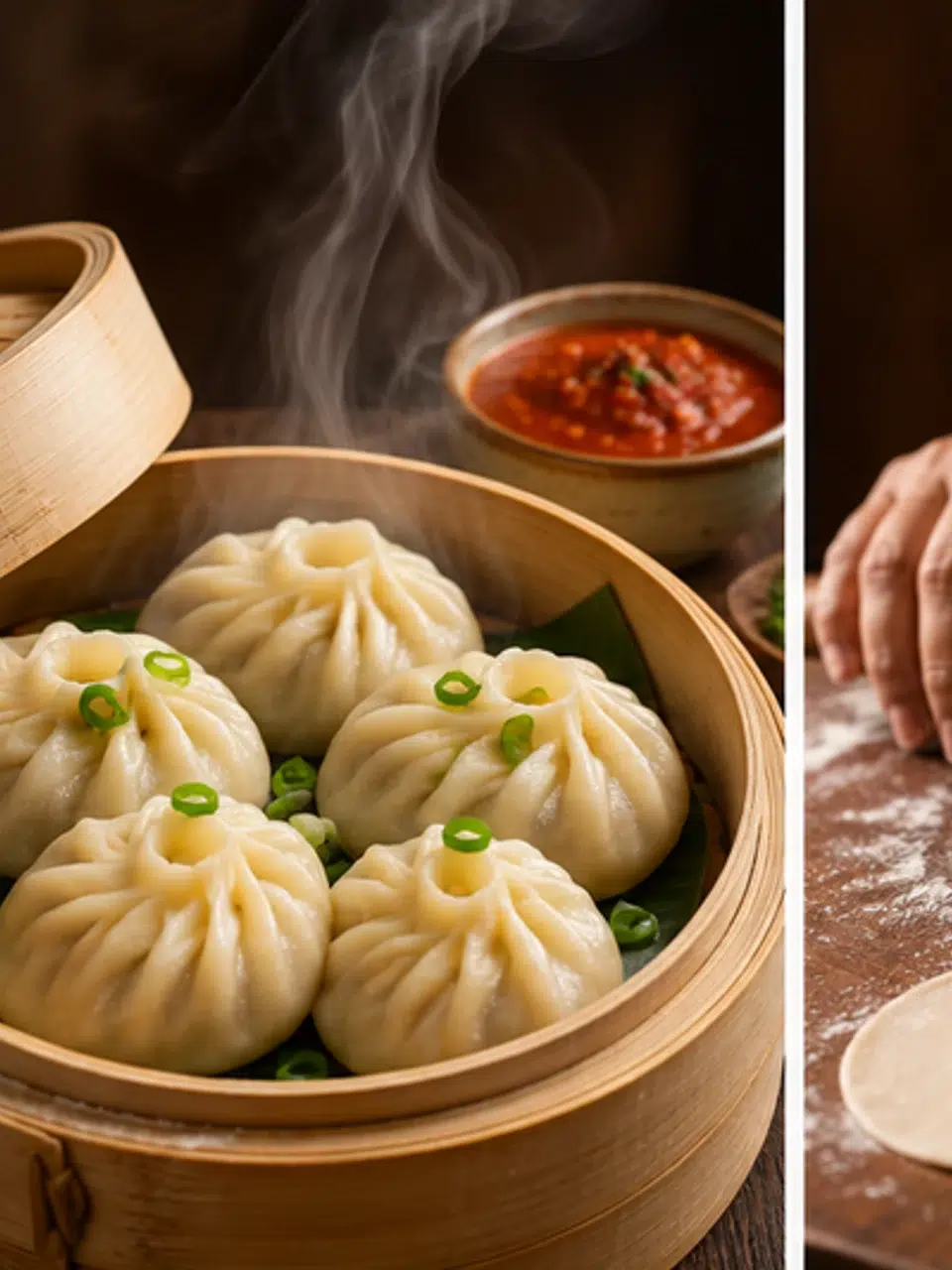
The first question is whether the frozen dumplings contain raw ingredients or have already been fully cooked. A homemade momo frozen immediately after folding is usually raw. A leftover steamed momo frozen after cooking is a cooked product that needs appropriate reheating. These foods may look identical inside a freezer bag, so label them at the moment you pack them rather than guessing later.
Commercial packets can use confusing phrases such as “ready to cook” or show a browned dumpling on the front. These do not guarantee the product is fully cooked. Read the actual preparation instructions and any warnings on the back. If the manufacturer specifies steaming, boiling or another complete cooking method, follow it instead of substituting a short crisping step. If the cooking state is unclear, ask the manufacturer for reliable information.
A common error is to stop when the wrapper looks translucent or the outside feels hot. The thick folded edge and centre may still be cooler, especially in large dumplings or meat-filled products. Use suitable cooking equipment, allow enough time for the frozen centre and verify safety in the filling. Raw poultry must reach 74°C (165°F) according to USDA guidance.
Set Up a Steamer for Frozen Momos
Use a stable pot or compatible steamer with water below the raised tray. Check that the basket cannot tilt into the water and that its handles are suitable for heat. A gentle, sustained steam is preferable to an unstable boiling arrangement that causes the pot to run dry. If the lid is loose, position it according to the appliance instructions without sealing a vessel that is not designed to hold pressure.
Lightly grease a suitable tray or use an appropriate food-safe liner with openings that allow steam to pass. Arrange frozen dumplings with gaps around the pieces so steam can circulate. Do not force apart a solid frozen clump with a sharp knife: that can tear the wrapper and may be dangerous. If pieces are joined, use a suitable method to separate them carefully or adjust the batch so they can cook thoroughly.
Cover the steamer and cook according to the product directions or an appropriate method for the ingredients. A frozen raw dumpling can take longer than a freshly shaped one because its centre begins much colder. Avoid prescribing one universal duration for every brand, piece size and filling. For a kitchen without a dedicated unit, see our safe pot and kadai steaming guide.
Compare Steaming, Boiling, Pan-Cooking and Air Frying
Steaming: A useful default for many homemade raw frozen momos, because moist heat helps the wrapper soften while the filling cooks. It also works for some precooked frozen products that need reheating. Keep the water below the tray, space pieces apart and check the thickest dumpling before serving. The final texture should be tender rather than waterlogged.
Boiling or simmering: Some dumplings are designed for water cooking, but delicate momo pleats can split or absorb excess water. Follow the recipe or pack instructions rather than assuming all dumplings are interchangeable. A stable simmer and careful handling are preferable to vigorous stirring, particularly if the seams are fragile.
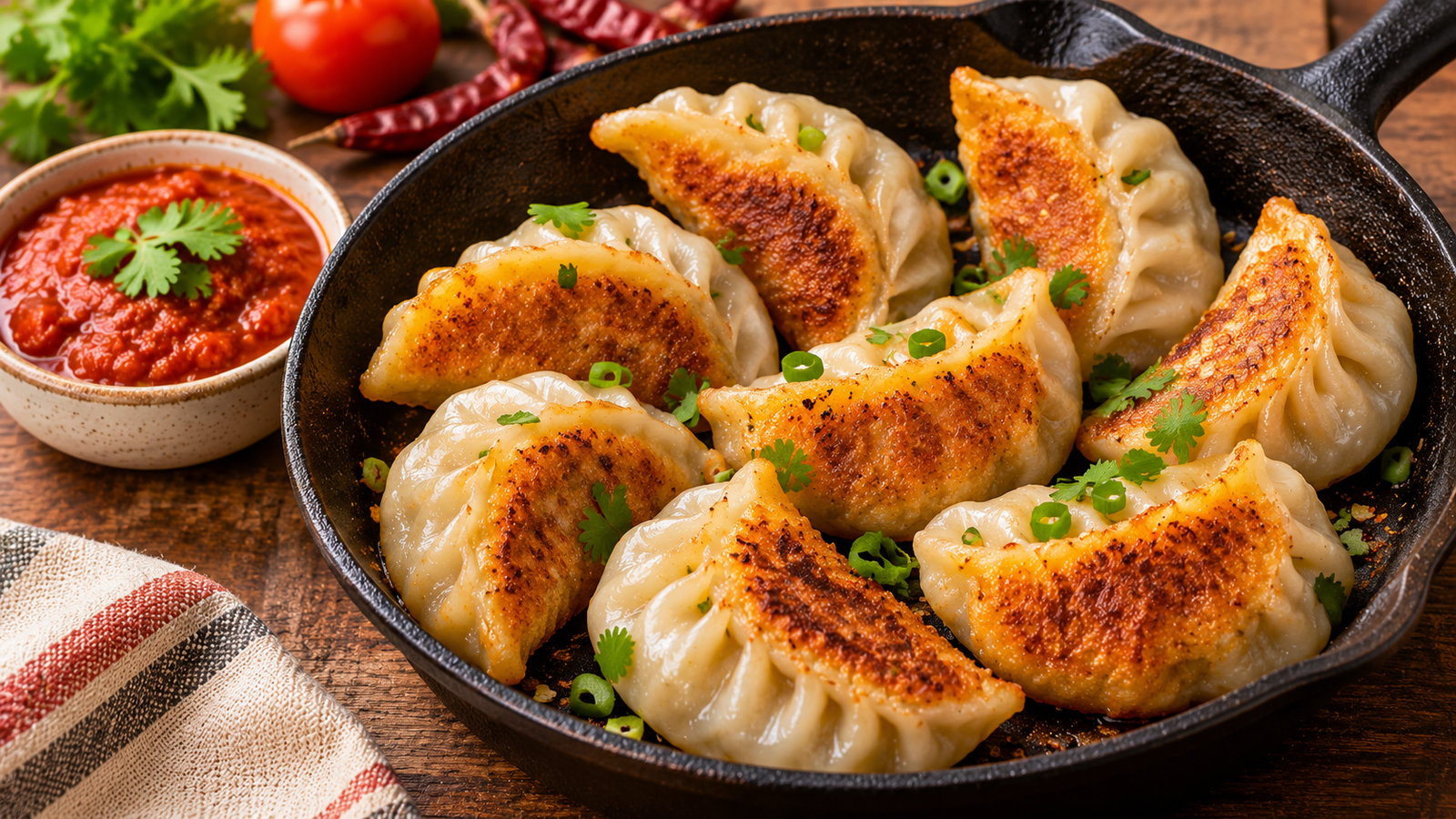
Pan-cooking: Pan-steaming can produce a browned base and softer upper portion, but requires adequate moisture and attention to the filling’s safe cooking stage. An attractive crisp underside does not prove that raw meat filling has cooked completely. If you want a kothey-style finish, consult our kothey momo guide.
Air frying: It is most straightforward for already cooked dumplings that need a crisp exterior. Raw frozen fillings are a different cooking task; use validated manufacturer instructions if available. Our air fryer momo guide focuses on safe crisping of cooked vegetable dumplings, not a universal raw poultry cooking shortcut.
Verify Safe Cooking in the Filling, Not the Wrapper
Surface appearance is a poor cooking indicator. A wrapper may look glossy and flexible while the centre of a large frozen filling remains cold. When the filling contains raw poultry, check that it reaches at least 74°C (165°F) with a food thermometer. Other raw meat mixtures have their own guidance, while precooked leftovers must be reheated thoroughly. The manufacturer’s instructions take priority for a specific packaged dumpling.
For a thermometer check, insert the clean probe into the thickest accessible portion of the filling without touching the metal tray. Small dumplings can be awkward to measure; one may need to be opened and checked carefully to access the centre. Measure more than one piece when sizes vary. Wash the thermometer as directed after contact with raw or partially cooked food.
Food safety does not end when the dumplings leave the freezer. Wash hands after handling raw meat filling, keep raw-food utensils separate from cooked servings and use clean plates for finished momos. Do not return cooked pieces to the same tray used for raw dumplings without washing it first. A properly cooked centre and good handling work together.
Keep Frozen Momo Wrappers From Sticking or Splitting
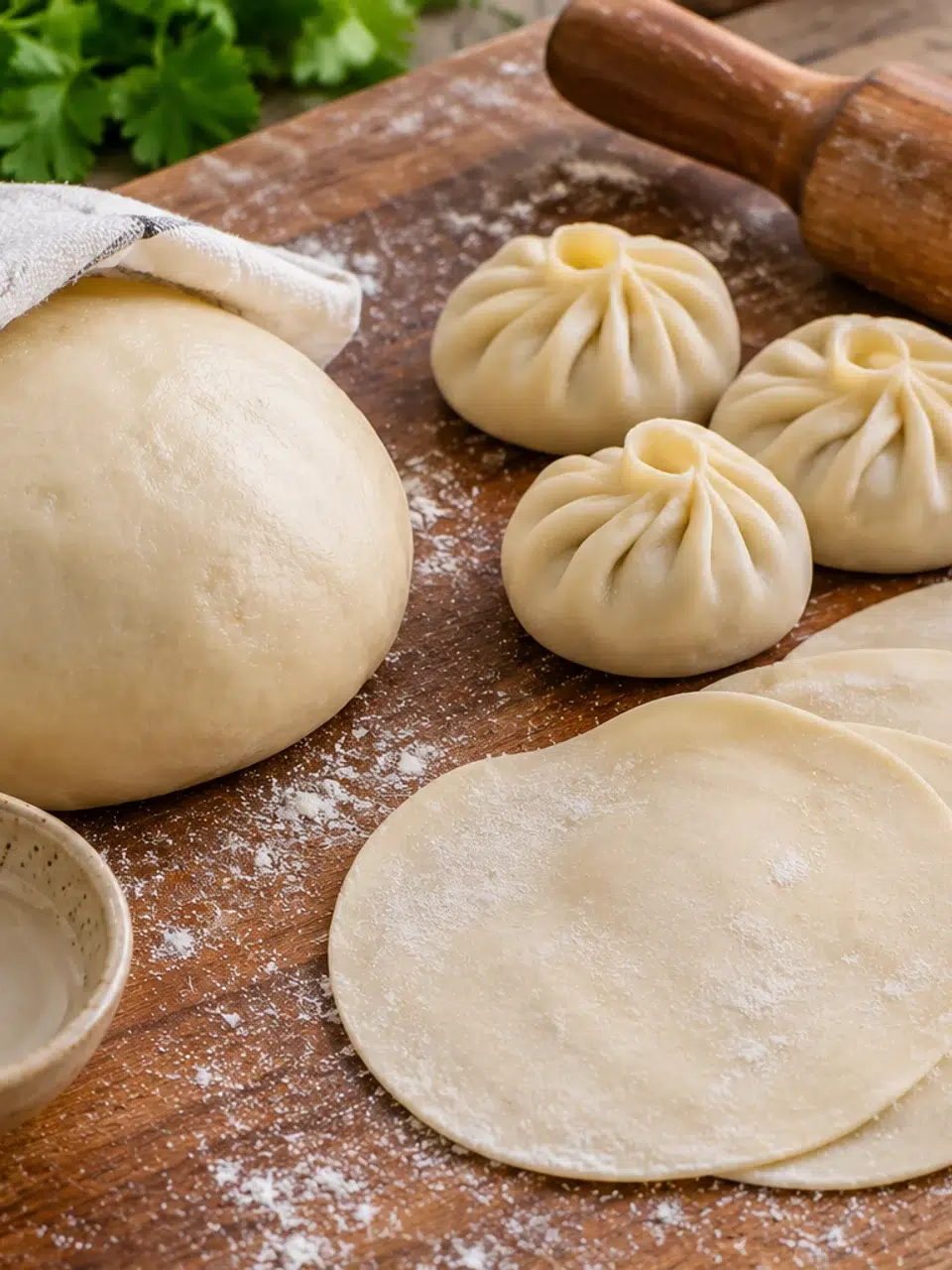
Momos that freeze touching each other may become one firm cluster. Trying to pull them apart can rip the dough and release filling during cooking. For future batches, tray-freeze raw pieces separately until firm, then transfer them into labelled freezer packaging. Our guide to freezing uncooked momos explains this approach in detail.
Cracked wrappers may result from dough that was too dry before freezing, exposure to air inside the bag or rough handling. Small cracks can worsen as filling expands and warms. Do not compensate by adding excessive water to the steaming tray or tightly stacking the dumplings. Inspect the batch and use a suitable gentle cooking method that allows you to monitor the pieces.
Freezer burn can reduce quality and make wrappers dry, but it is different from food being mishandled at unsafe temperatures. Frozen storage at −18°C (0°F) or below helps preserve food safety when continuously maintained; recommended storage periods mainly address quality. If the freezer has warmed or power was interrupted, evaluate the temperature history rather than assuming every frozen package stayed safe.
Plan a Make-Ahead Frozen Momo Dinner
A small tray of frozen dumplings can become a convenient family meal when portions and accompaniments are organised. Count the pieces before cooking, choose a suitable filling and prepare a dipping sauce while the steamer heats. For a soft meal, serve cooked momos with a light vegetable broth; for a crisp variation, brown an already cooked batch briefly using an appropriate pan method.
Keep sauces separate, especially when some guests want a milder flavour. Our garlic-free red chutney and mild tomato-ginger dip offer different heat levels. Check whether the frozen dumplings contain wheat, dairy, soy or meat, and label portions for guests with dietary restrictions. A vegetable filling does not automatically mean the wrapper is gluten-free.
Cook only the number of frozen momos you intend to serve. Keep the remaining uncooked frozen pieces at an appropriate freezer temperature and avoid repeated trips between a warm kitchen and the freezer. When serving children, caregivers should allow the filling to cool sufficiently, adapt the texture and portion as needed and supervise eating.
Six Mistakes to Avoid When Cooking Frozen Momos
1. Treating every frozen product as precooked
Read the label. A raw frozen meat filling may look browned in a promotional picture. Follow complete cooking instructions and appropriate safe temperatures.
2. Thawing raw dumplings on the counter
Unsafe thawing can expose perishable ingredients to temperatures that allow bacteria to grow. Use the method specified on the pack or safe refrigerator thawing when a recipe requires it.
3. Overcrowding the steamer
Tightly packed pieces can stick and may heat unevenly. Leave suitable gaps or cook smaller batches.
4. Stopping when the pleats look translucent
Wrapper appearance does not establish the centre’s temperature. Verify the filling’s doneness, particularly for raw poultry and larger dumplings.
5. Mixing raw and cooked utensils
A plate used for raw frozen momos should not be reused for cooked food without proper washing. Keep sauces and other ready-to-eat foods away from raw meat juices.
6. Guessing after a freezer outage
If a power interruption has warmed the food, check the actual temperature and whether ice crystals remain, using official food-safety guidance. Do not taste questionable raw food to determine whether it is safe.
Frequently asked questions
Should I put frozen momos directly in boiling water?
Sturdier dumplings may be simmered but delicate pleats can split; steam is usually a more forgiving choice.
Can I air fry frozen momos directly?
Only if your product instructions support it or you can safely cook the centre through. A crisp outside alone is not proof of safe cooking.
How long do frozen momos take?
There is no universal duration. Follow the packaging, allow for extra cooking from frozen and verify the interior.
Cooking frozen momos for a shared family meal
When you are cooking several different fillings, decide on the order before taking anything from the freezer. Start with a clean steamer and note which packages contain raw pieces and which are fully cooked. If some guests avoid meat, milk or soy, use appropriately separate utensils and preparation surfaces; cooking all dumplings in the same basket without verified controls may not meet their needs. Do not assume the folded shape or colour reliably identifies a filling after freezing.
Plan the portion count from the actual meal rather than putting every bag in the steamer. One or two smaller cooking rounds can be easier to monitor than an overcrowded batch. Keep uncooked frozen pieces frozen until needed, and avoid repeatedly allowing a large bag to soften on the counter while selecting portions. Fully cooked dumplings should remain separate from raw meat ingredients before service. A clean finished platter and dedicated serving tongs prevent accidental contact with raw food.
Prepare sauces while the steamer is operating, keeping perishable dairy or fresh herb dips appropriately chilled. Once the dumplings are cooked, use a broad utensil to lift delicate pieces and let excess condensation escape. For children, supervise eating and allow the filling to cool to a suitable temperature before preparing appropriate pieces. A bright tomato dip can suit many vegetable momos, but individual preferences and allergens should guide the choice.
Questions to check before closing the freezer
Did you label the filling and the date? Is the freezer staying at −18°C (0°F) or colder? Were the dumplings frozen promptly rather than left at room temperature for a long preparation session? Is the package well sealed and easy to distinguish from cooked frozen leftovers? These ordinary checks make later cooking safer and reduce waste from unidentified bags.
If the freezer loses power, avoid opening the door unnecessarily and assess the contents using temperature information and official guidance. Some foods may remain safe when they still contain ice crystals or are at or below 4°C (40°F), but that does not mean every thawed food should be refrozen without checking. In uncertain circumstances, discard the questionable package rather than tasting it. The most useful frozen-momo habit is a clear label and known storage history.
For other ways to prepare cooked dumplings later, explore our guide to reheating momos and leftover momo meal ideas. These address cooked leftovers, whereas this guide explains the wider decision between fully cooking raw frozen food and reheating a previously cooked batch.
Sources and further reading
- FoodSafety.gov: Safe internal cooking temperatures
- FoodSafety.gov: Four steps to food safety
- USDA: Safe thawing methods
Explore our vegetable momo recipe and the Momo Crown menu for different homemade and published menu ideas.