
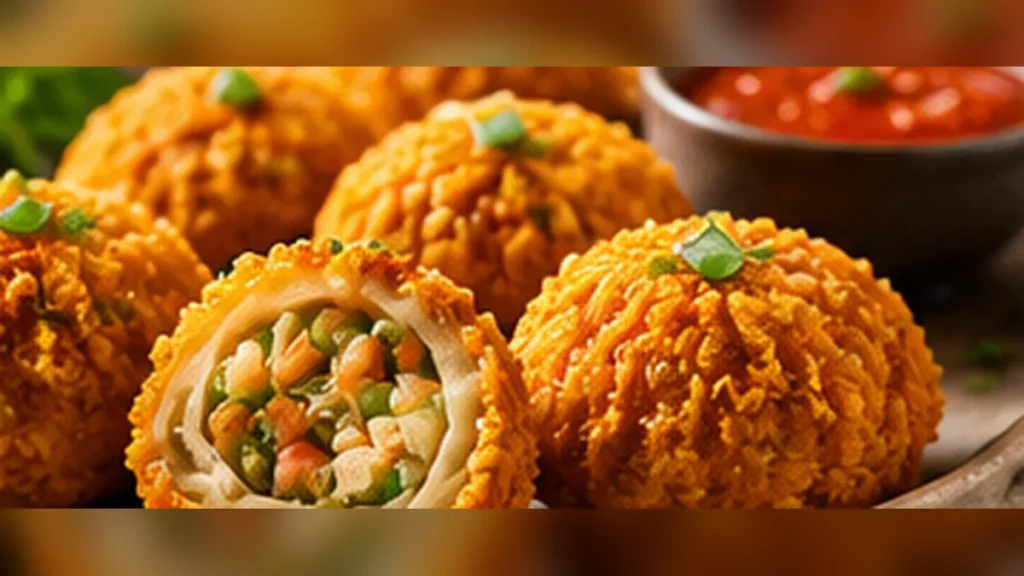
Craving kurkure momos with a crisp golden coating and a soft dumpling inside? You can make a home-style version by coating already cooked vegetable momos in a thin seasoned batter, rolling them in crushed plain cornflakes and frying briefly. This guide explains the ingredient proportions, coating technique, oil temperature, common mistakes and safer alternatives.
On this page
Quick answer: Cook and cool 12 small veg momos, mix a smooth slurry of maida and cornflour, coat each momo, press on crushed unsweetened cornflakes and fry in small batches until the outer layer is golden and crisp. Keep the momos dry before coating and use a thermometer for controlled frying.
Kurkure Momos Recipe: Quick Ingredients and Method
Recipe type: Crispy fried vegetable momos | Starting quantity: About 12 fully steamed small veg momos | Planning time: Approximately 20–35 minutes excluding the preparation of the original momos | Main allergens: Wheat/gluten; also check cornflake, seasoning and filling labels. Important: Oil-frying carries burn and fire risks.
Ingredients
- 12 fully cooked small vegetable momos, cooled enough to handle and surface-dried
- 45 g plain flour (maida), approximately ⅓ cup; weigh for consistency
- 20 g cornflour/cornstarch, roughly 2½ tablespoons
- 75–100 ml clean water, gradually added to form a smooth coating batter
- ½ teaspoon Kashmiri red chilli powder or mild paprika
- ¼ teaspoon black pepper
- A small pinch of salt, after checking the cooked momo filling
- 70–90 g plain, unsweetened cornflakes, lightly crushed—not powdery
- Neutral oil suitable for deep-frying, enough for your pan and fryer instructions
- Optional: a pinch of dry garlic powder if dietary preferences permit; omit for no-garlic versions
Quick method
- Steam or otherwise fully cook the vegetable momos first. Cool briefly and remove visible surface moisture.
- Whisk flour, cornflour, chilli, pepper, salt and water into a batter that coats the momo without pooling heavily.
- Crush plain cornflakes into small rough pieces and spread them on a plate.
- Dip each momo in batter, let excess drip away and press gently into the crumbs.
- Heat oil following a suitable frying-thermometer procedure; a practical range for this crust is around 170–180°C. Lower the coated momos gently into the oil in small batches, without overcrowding.
- Fry until golden and crisp, commonly a few minutes depending on size and oil conditions. Drain safely and serve promptly.
Do not fry raw-centred momos using the quick crust time. This variation starts with fully cooked vegetarian dumplings so the brief second cooking is for the coating. Follow cooking-temperature guidance if preparing other fillings.
What Are Kurkure Momos?
“Kurkure” is used colloquially for extra-crunchy momo variations, especially those coated with crumbs, crushed cornflakes or other crispy coatings. Rather than having one universally standardized formula, the dish varies between street vendors, restaurant kitchens and home cooks. Some versions use a fresh stuffed wrapper and cook it through in oil; others coat pre-steamed dumplings.
BigBasket’s June 2026 kurkure momo recipe coats pre-steamed momos with a flour-and-cornflour batter and crushed cornflakes. Chef Ranveer Brar’s crispy momo demonstration includes a more elaborate filling and coating. We use the pre-cooked approach for a simple home adaptation, while acknowledging that it does not cover every restaurant style.
Why Do Cornflakes Make Momos Crunchy?
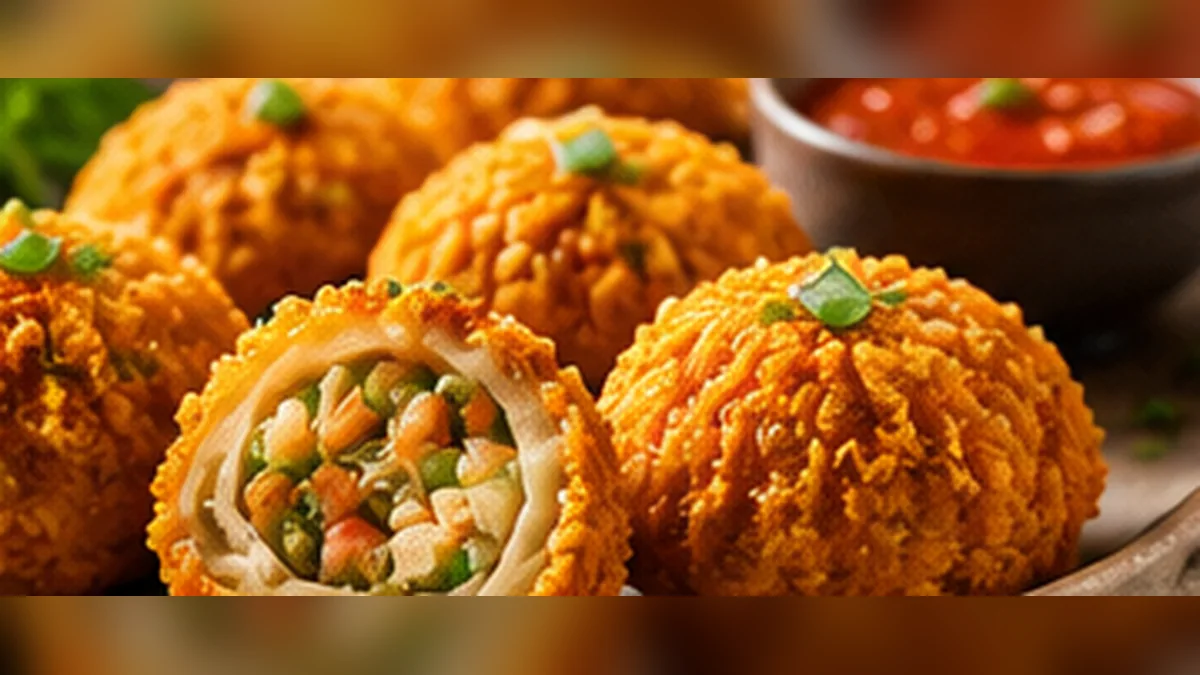
Crushed plain cornflakes add uneven flakes that become crisp and rough during frying. The thin wet batter acts as an adhesive so the cereal pieces can stick to the dumpling. If the batter is too thin, the crumbs fall off; if it is too thick, the outside can turn heavy and doughy.
Choose unsweetened flakes. Sweet breakfast cereals can brown too fast and change the flavour. A fine cornflake powder also behaves more like a breading than the irregular crunchy pieces expected from kurkure momos. You want flakes roughly crushed into small, visible pieces.
Use Properly Cooked Momos for This Version
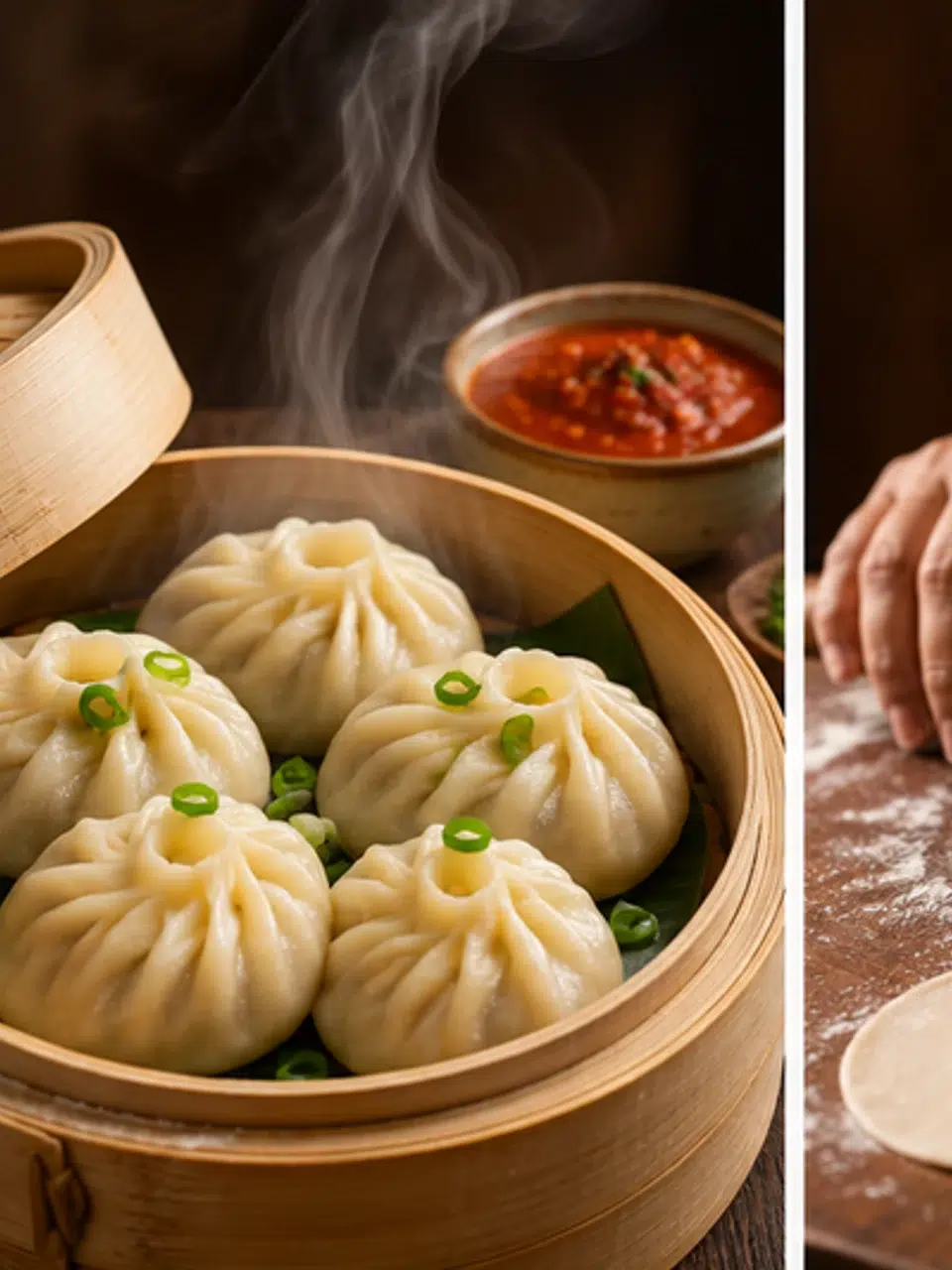
Start with small steamed veg momos that are already fully cooked. This avoids depending on a quick frying step to cook raw filling in the centre. Let them cool enough to handle and dry the surface with clean kitchen paper if very damp. Avoid dipping steaming-wet dumplings in hot oil, because excess water can cause dangerous splashes.
Fully cooked frozen momos should be heated according to their package instructions before this coating method. Never drop icy, frost-covered frozen dumplings directly into hot oil. This method has not been validated for raw chicken or meat-filled momos.
How to Make Crispy Kurkure Momos Step by Step

Step 1: Prepare fully cooked vegetable momos
Steam your own small veg momos until the wrapper and filling are cooked through. Keep the pieces separate so they do not tear. A slightly cooled surface is easier to handle than very hot, moist wrappers. If starting with pre-cooked shop-bought momos, read the label and check that they really are fully cooked, not merely formed or partially cooked.
Step 2: Mix the thin seasoned batter
Whisk the maida, cornflour and seasonings in a bowl. Add water gradually until a momo can be dipped and coated evenly. You should still be able to see the dumpling’s outline underneath the batter. Too much added water gives poor crumb adhesion; excess flour creates a thick, doughy jacket.
Step 3: Make the coarse cornflake coating
Place plain cornflakes in a clean bag and gently crush with a rolling pin, or crush by hand. Transfer to a shallow plate. Leave some flakes visibly coarse; avoid processing everything into a fine powder. If using pre-flavoured flakes, review their added sugar, salt and allergen information.
Step 4: Coat the momos without squeezing them
Dip one momo into the batter and let the excess drip away. Roll it in the crumbs and press lightly, especially around seams and curves. Excessively wet batter can make the flakes slide off. Place each coated momo on a clean tray while the pan heats. This is a good point to inspect any exposed wet areas before frying.
Step 5: Heat oil safely and fry in small batches
Use a suitable deep, heavy pan and frying thermometer. Aim for a controlled oil temperature around 170–180°C; actual working temperatures depend on equipment and coating. Gently lower only a few coated momos at a time. Do not fill the pan excessively with oil or food. Leave the stove attended throughout.
The Hong Kong Centre for Food Safety advises controlling frying oil around 150–180°C; excessive heat can increase oil breakdown, while low temperature can increase absorption. The FSSAI Eat Right India programme discourages reheating and repeatedly reusing frying oil.
Step 6: Drain, check and serve
When the coating looks golden and the momos are crisp, remove them carefully with a slotted spoon or suitable tongs. Let excess oil drain onto a rack or absorbent paper. Cut one open to confirm the centre is fully heated. Serve while the coating is crisp rather than leaving fried food standing uncovered for a long time.
Hot Oil Safety: What Not to Do
- Never add wet or icy momos to deep hot oil. Water can cause violent bubbling and splashes.
- Keep a suitable metal lid nearby for an oil fire and know your kitchen’s emergency procedures; never pour water onto an oil fire.
- Do not overfill the pan. Keep handles away from the walkway and children.
- Never leave heating oil unattended. If it begins smoking heavily, stop heating and allow it to cool safely.
- Use tongs or an appropriate slotted spoon rather than bare hands near the oil.
- Do not reuse degraded oil repeatedly; replace if it smells unusual, smokes or foams.
Why Are My Kurkure Momos Not Crispy?
| Problem | Likely explanation | Practical fix |
|---|---|---|
| Cornflakes fall off | Batter too thin or coating not pressed on | Thicken slightly and press crumbs gently |
| Thick, bread-like crust | Too much batter or powdery crumbs | Let excess batter drip; use coarse flakes |
| Greasy coating | Oil temperature dropped too low, or pan was crowded | Use a thermometer and fry fewer at a time |
| Outside dark, inside cool | Oil too hot or the original momo was cold | Use fully cooked and suitably heated momos; control oil temperature |
| Wrappers burst | Momos torn or overfilled before frying | Start with intact, sealed dumplings |
| Coating softens quickly | Steam trapped after frying | Drain on a rack and serve promptly |
Can You Make Kurkure Momos Without Deep Frying?
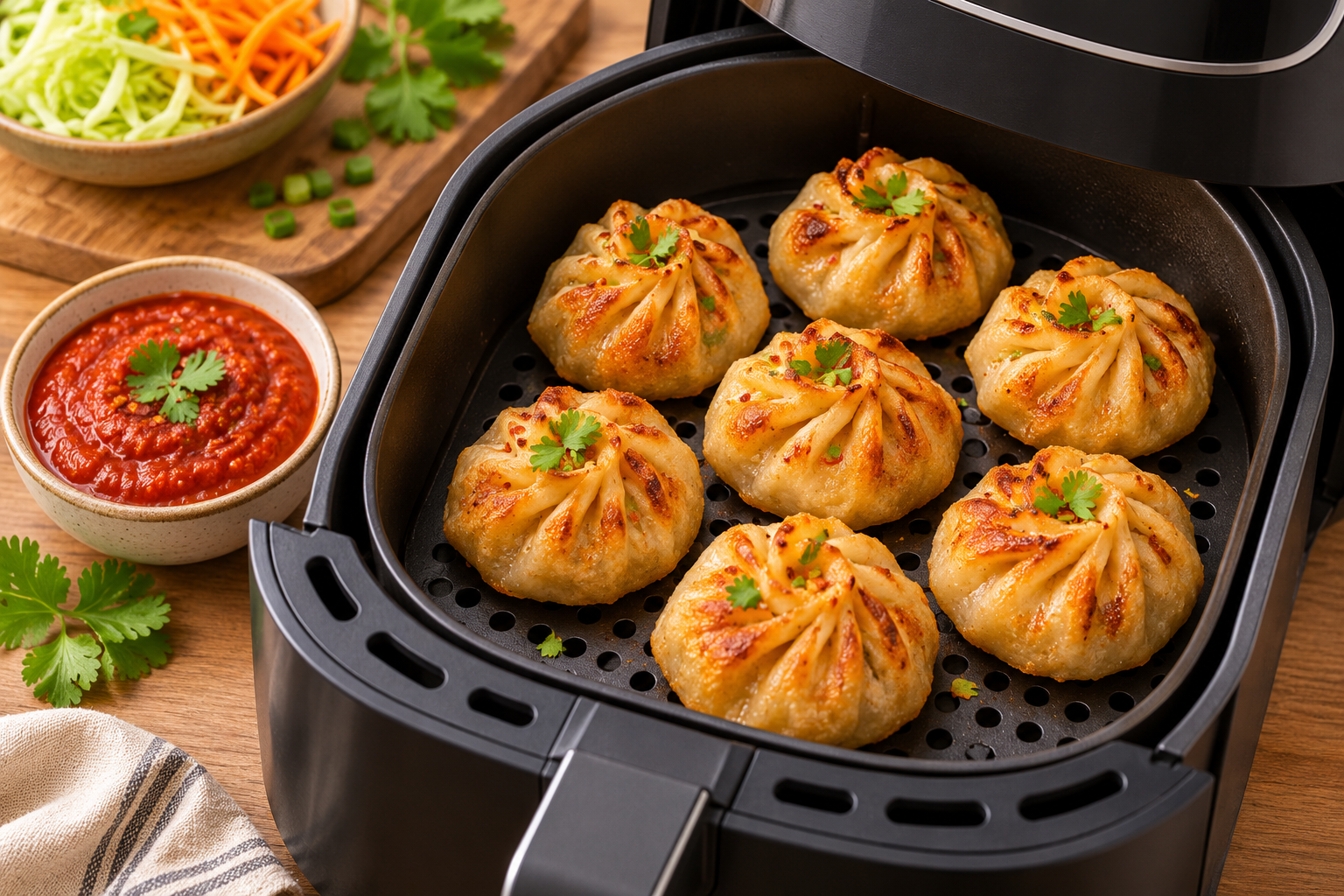
Air fryer variation
For a detailed air-fryer method using fully cooked vegetable dumplings, see our air fryer momos guide. Its cooking cautions also explain why raw frozen fillings require a different approach.
You can experiment by lightly coating fully cooked veg momos with oil and cooking in an air fryer according to your model’s instructions, turning carefully and checking the result. The cornflake crust can dry out or brown unevenly. Air-fryer results vary by model, coating thickness and batch size; follow the appliance instructions and check the filling is thoroughly hot.
Without cornflakes
Breadcrumbs or crushed plain poha can form a different crust, but they will not have exactly the same texture. A different crumb absorbs liquid and oil differently, so the quantities and handling may need adjustment.
Without garlic
Omit the optional garlic powder and check the filling, coating packets and dipping sauce. Garlic-free does not automatically mean free from all root vegetables or suitable for every restricted diet.
Dips and Serving Ideas
Serve with a tangy tomato–chilli chutney, mild coriander dip or a sauce of your choice. Put chutney in a separate clean bowl; fried crumbs will soften quickly if dunked in sauce far in advance. To compare other momo styles, explore our guide to momo varieties and the Momo Crown menu.
Are Kurkure Momos Healthier Than Steamed Momos?
A fried batter-and-cornflake coating generally introduces more cooking oil and cereal than the same steamed dumpling, but the total energy depends on portion size, batter pickup, oil absorption and the original filling. The nutritional profile varies with the amount of coating, frying oil absorbed, portions and fillings; avoid relying on one universal calorie number. A steamed-versus-fried comparison is only fair when the ingredients and serving sizes are comparable.
A Practical Kurkure Momo Preparation Workflow
Begin with fully cooked vegetable momos. Steamed dumplings should be cooled enough for safe handling and kept within suitable food-safety limits; the wrapper should be free of surface water before coating. A wet wrapper causes thin batter to slide off and can make the cereal crust patchy. If the dumplings were refrigerated after cooking, follow safe reheating guidance and ensure they are thoroughly hot when served.
Prepare three separate areas on the work surface: a plate of cooked dumplings, a bowl of smooth seasoned batter and a shallow tray of lightly crushed plain cornflakes. Keep a clean plate or rack ready for the coated pieces. Crush the flakes into mixed small pieces rather than flour-like powder so the coating can create some texture. Read cereal labels for added sugar, wheat, milk or other ingredients when those matter to your guests.
Coat only a manageable number of momos at a time. A very thick batter can create a doughy layer between wrapper and crumbs, while very thin batter may fail to hold them. Press the crushed cereal onto the moistened surface gently, without squeezing so hard that the dumpling splits. Put the coated momos down separately so they do not stick together before cooking.
For a dipping sauce, choose a tomato-chilli chutney without garlic or our mild tomato-ginger dip. Serve sauces on the side rather than soaking the crispy crust before guests eat.
How to Get a Crisp Crust Without a Heavy Batter
The coating should protect the wrapper while giving the bite a crunchy outer layer. Start with plain crushed flakes, then use just enough batter to make the crumbs adhere. A fully cooked momo already has a tender wrapper and seasoned filling; you do not need an extra-thick shell to give the dish identity. If crumbs fall away, check whether the wrapper was too wet or the coating was applied unevenly.
When frying, the oil should be managed with a suitable cooking thermometer and an appropriately sized heavy pan. Avoid overcrowding, because too much cold food at once can cause the oil temperature to drop and result in an oily coating. Add the pieces carefully, away from your body, without dropping wet food into hot oil. Children and pets should remain clear of the cooking area.
After cooking, place the pieces on a suitable rack or paper-lined surface that can absorb excess oil without allowing the dumplings to sit in a pool. Serve soon after cooking: trapped steam and sauce moisture quickly soften cornflake coatings. If using an air fryer, expect a different crust and follow the appliance’s instructions rather than assuming that deep-fryer timing applies.
For the base dumplings, our veg momos recipe covers the wrapper, filling and steaming steps. Keep the initial cooking and the crisp finishing stage distinct, particularly if preparing dumplings with meat fillings.
Fix Five Common Kurkure Momo Mistakes
1. The crust falls off
Remove excess surface moisture and use a smooth, light coating of batter. Press crumbs gently into place and work in small batches so the coating does not sit wet for too long.
2. The crumbs darken before the inside is hot
The coating is browning faster than the centre can warm. Use properly cooked dumplings and keep the finish controlled. Do not serve a cold or undercooked filling simply because the outside looks golden.
3. The coating is heavy or gummy
A thick wet batter can overpower the wrapper. Thin it gradually and allow excess batter to drip off before adding cereal. Keep the flakes crushed into varied small pieces rather than making a dense powder.
4. The fried pieces become greasy
Overcrowding and unstable oil temperature can contribute. Use manageable batches, suitable frying equipment and a draining surface. Excessively reused or degraded frying oil should be discarded according to safe cooking guidance.
5. The finished momos turn soft before serving
Serve promptly, keep hot sauce separate and avoid trapping steam in a tightly closed container. A crisp cereal finish is best prepared close to eating time rather than coated hours ahead.
A Small-Batch Plan for Parties and Family Meals
If you are serving these dumplings at a gathering, organise the work so the steamed momos are cooked safely in advance, then add the crisp coating in small batches near service. This avoids leaving coated perishable food on a table for an extended period and helps keep the crust from becoming soggy. The cook should have a stable pan, a thermometer, dry utensils and space to drain the fried pieces safely.
Label vegetarian and other fillings accurately, and confirm whether the crushed cereal or batter contains wheat, milk, soy or other allergens. Fried foods cooked in shared oil may not be appropriate for guests who must avoid specific ingredients; do not guarantee allergy safety without verified preparation information. Guests who prefer a softer or lighter finish can choose simply steamed momos from a separate safe batch.
A home-style kurkure momos recipe does not need to become the only dish on the table. Put out a few crisp pieces with clean dipping bowls, then replenish from freshly finished batches. For broader group planning, use our momo party safety checklist and choose portion sizes based on the actual guests and meal.
Frequently Asked Questions
Do kurkure momos need to be steamed before frying?
Not every published method requires it, but this version does. Using fully cooked veg momos keeps the brief frying stage focused on crisping the coating.
Can I use flavoured cornflakes?
Plain unsweetened cornflakes are a more predictable starting point. Sweet or pre-seasoned varieties may change browning, taste and allergen content.
Why are my kurkure momos soggy?
Very wet momos, a thick wet batter, low oil temperature, overcrowding or trapped steam after frying can all contribute. Fix the specific cause rather than extending frying indefinitely.
Can I fry uncooked chicken momos this way?
Not with the quick method described here. Raw poultry filling requires full cooking to a verified 74°C/165°F at the centre; a browned coating cannot establish safety. The FDA temperature chart provides the reference.
Can I prepare the coating ahead?
Crush dry cornflakes in advance and keep them sealed. A wet batter may change consistency while standing, and assembled coated momos can soften before frying. Refrigerate perishable foods and avoid prolonged room-temperature holding.
Sources and further reading
These sources explain common coating techniques and safer handling of hot cooking oil. Adapt the method to your equipment and use properly cooked momos.
- BigBasket: Kurkure Momos — pre-cooked momo, batter and cornflake method.
- Chef Ranveer Brar: Crispy Kurkure Momos — another established style with a different filling and crumb mix.
- Centre for Food Safety: Safe Use of Oil for Deep-frying.
- FSSAI Eat Right India — caution on reheating/reusing frying oil.