
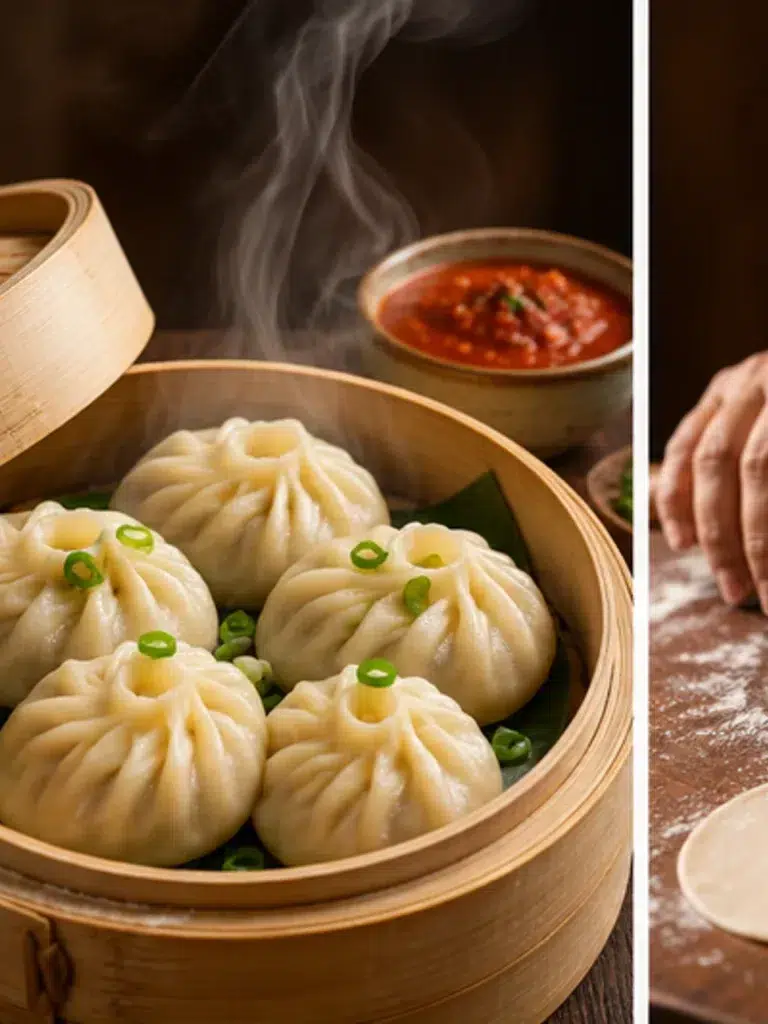
Quick answer: Properly refrigerated cooked momos are generally best used within three to four days, in line with FoodSafety.gov’s guidance for cooked leftovers. Chill them promptly in a covered, shallow container at 4°C (40°F) or below, and reheat thoroughly to 74°C (165°F) before serving. These are general leftovers guidelines, not a shelf-life guarantee for every sauce or filling.
On this page
The important clock starts before refrigeration
Freshly cooked momos should not spend the evening at room temperature. FoodSafety.gov advises refrigerating perishable cooked food within two hours of cooking or purchase, and within one hour when the environment is hotter than 32°C (90°F). If leftovers were held outside these limits, discard rather than cooling them late and assuming the fridge resets the clock.
How to refrigerate cooked momos without ruining the texture
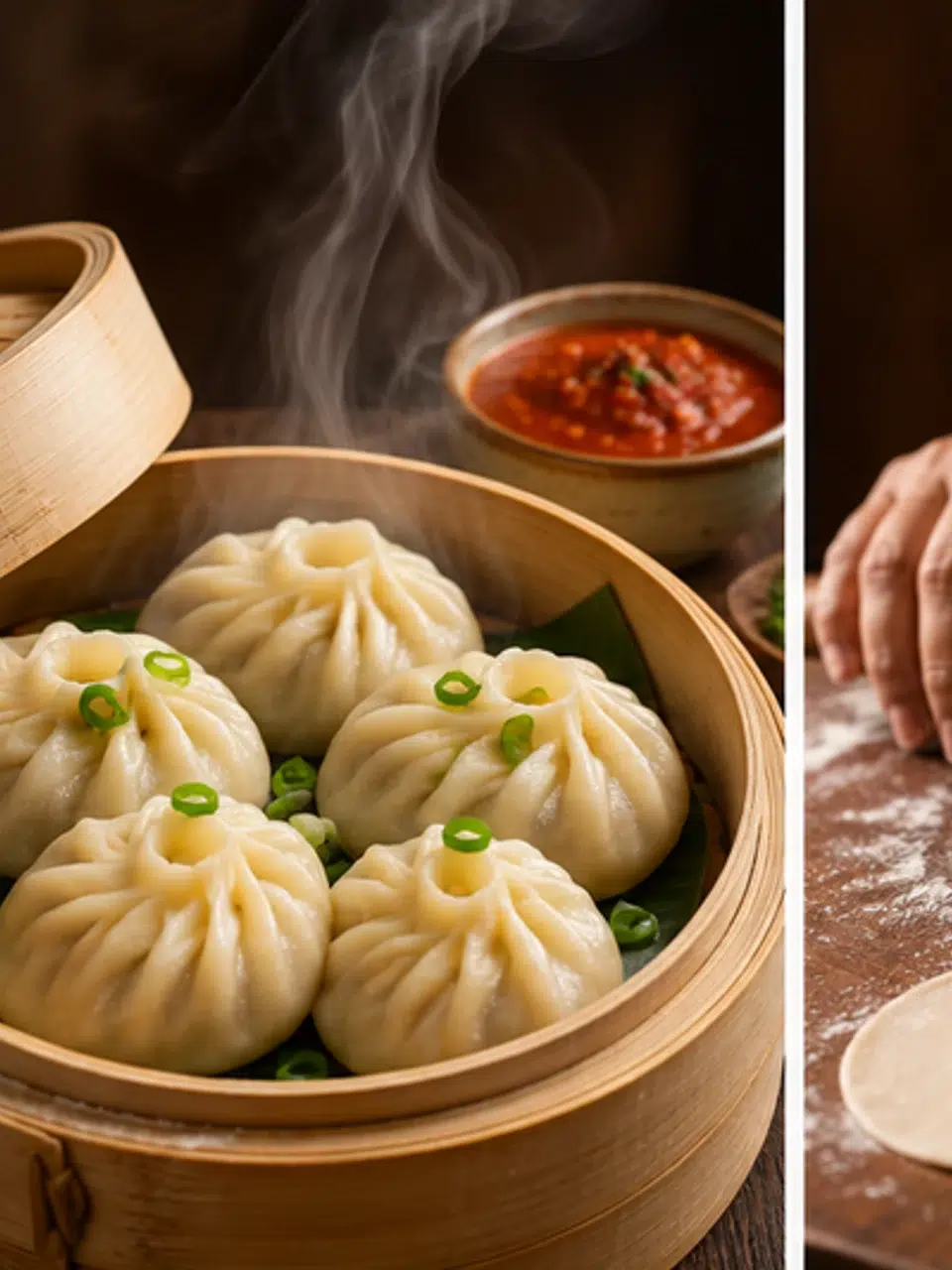
- Place cooked momos in shallow, clean, covered containers so they cool efficiently.
- Leave a little space between delicate pieces to avoid torn wrappers.
- Keep spicy chutney, dairy sauce and soup broth in separate suitable containers.
- Refrigerate promptly at or below 4°C; do not wait until every dumpling is completely cold on the counter.
- Mark the container with the cooking date to help you use it within the recommended window.
Handling matters more than an elaborate container. A leakproof box protects food and keeps cooked dumplings from absorbing other refrigerator aromas.
Can cooked momos be frozen instead?
Yes, cooked momos can often be frozen in portions, but texture may change after thawing and reheating. Freeze individual pieces spaced apart first, then transfer to freezer-safe packaging; or arrange them with suitable separation inside a shallow container. Keep a freezer at −18°C (0°F) or below. Freezing maintains the safety of correctly handled food but does not kill all microorganisms and is not a remedy for food that sat out too long.
For raw preparations, the handling differs; see the separate freezing plan in the existing wrapper guide and the steaming technique guide.
How to reheat safely
Reheat refrigerated leftovers until the inside reaches 74°C (165°F) according to FoodSafety.gov. Gentle re-steaming usually preserves a soft wrapper. A covered skillet with a little water may work for pan-fried styles. Microwave heating can be uneven, so move the pieces if needed, let them stand according to appliance guidance and check their centres.
When to throw leftovers away
Discard momos when they have exceeded safe time limits, when storage temperatures were not maintained or when you cannot establish how long they have been out. An off smell, visible mould or unusual slime is also a reason to discard, but the absence of these signs does not prove safety. Do not taste food to test whether it has spoiled.
Different fillings and sauces deserve separate attention
| Component | What changes the risk | What to do |
|---|---|---|
| Cooked vegetable momos | Time out of the fridge and clean handling | Chill promptly; follow cooked-leftover window |
| Paneer momos | Dairy and wet filling | Keep chilled and use clean utensils |
| Chicken momos | Raw poultry handling and thorough cooking | Keep separate; cook and reheat to 74°C |
| Fresh herb chutney | Raw fresh ingredients and moisture | Store separately and follow a cautious sauce-specific plan |
A simple leftover routine
At the end of a meal, portion what you can eat safely, refrigerate the rest promptly, note the date and select a reheating method that preserves its texture. Keep the dipping sauce separate until serving. If you are choosing between menu styles for next time, explore the types of momos guide.
What the Three-to-Four-Day Guideline Means
The general refrigerator guideline for cooked leftovers is three to four days at or below 4°C (40°F), provided the food was cooled and refrigerated promptly. This is not a guarantee for any batch that spent too long on the counter, traveled without temperature control or used an ingredient with a shorter shelf life. The clock begins with the original cooked meal, not with the moment you first open the storage container.
If cooked momos were served on Monday evening and safely refrigerated, the next several days are the normal period for using them, not a reason to extend storage until they look or smell different. Label the preparation date and plan when you will eat the food. A small note on the container is more reliable than guessing whether it was prepared two, three or five nights ago.
FoodSafety.gov recommends using cooked leftovers within four days; it also warns that keeping food too warm or allowing it to sit out for extended periods makes storage unsafe. When in doubt about the handling history, discard the food. Reheating does not reliably undo all risks associated with previous unsafe storage.
How to Cool Momos Quickly Before Refrigeration
Move leftovers to clean shallow containers rather than leaving a deep pile in a large hot serving dish. Shallow portions allow the heat to escape faster. Keep sauces and broth in suitable separate containers so moisture does not saturate the wrappers. When the dumplings are delicate, give them some space to prevent the folded edges from sticking together as they cool.
Cooked food should be refrigerated within two hours of cooking or purchase, or within one hour if the air temperature exceeds 32°C (90°F). It is not necessary to leave a tray of hot food on the counter until it reaches room temperature. FoodSafety.gov specifically supports placing suitable hot food in the refrigerator when it has been divided for rapid cooling.
Use covered food-safe containers, and avoid placing a very large, deep hot pot into a refrigerator where it could warm surrounding food. Portion the cooked momos sensibly; if several fillings have different allergens or dietary requirements, label them separately. Avoid mixing a fresh batch into a container of older leftovers, because then the date and safe storage history become unclear.
Fridge Temperature, Shelves and Containers
Set the refrigerator to maintain 4°C (40°F) or colder and check its actual performance with a suitable thermometer. A cold-feeling shelf is not a precise measurement. Avoid overpacking the refrigerator so cold air can circulate around the stored food. Use a clean, sealed, food-safe container that prevents drips and contact with raw ingredients.
Store cooked ready-to-eat momos above or away from raw meat and poultry, following sound refrigeration practices that prevent raw juices from contacting cooked food. If the refrigerator door is opened frequently for a family gathering, the temperature can fluctuate. Keep perishable food chilled until serving and return suitable leftovers promptly rather than repeatedly warming the same tray.
For a moist wrapper, storing chutney separately usually helps. Tomato-based, nut-based and yoghurt sauces each need appropriate handling, and some may not retain quality as long as the dumplings. Check sauce-specific directions and the actual ingredients rather than assuming everything on the plate shares the same storage period.
What If Cooked Momos Were Left on the Table?
A cooked momo platter often sits out during parties or family meals, particularly when guests arrive over several hours. If perishable food has been held at room temperature beyond the general safe limits, do not put it into the fridge and call it fresh. A later spell of refrigeration cannot reset an unsafe period that has already occurred.
The general FoodSafety.gov limits are two hours at ordinary room temperatures or one hour when conditions are hotter than 32°C. A suitable hot-holding appliance can change how food is managed, but a decorative tray or covered bowl is not reliable hot-holding equipment. If you do not have temperature-controlled service, prepare and serve smaller batches more frequently.
Do not taste a questionable leftover to decide whether it is safe. Food can contain harmful microbes without an obvious smell or unusual appearance. When you do not know the storage history, discard the portion. This applies to meat, paneer and vegetable momos as well as other perishable prepared foods.
Reheat Leftover Momos Thoroughly While Protecting Texture
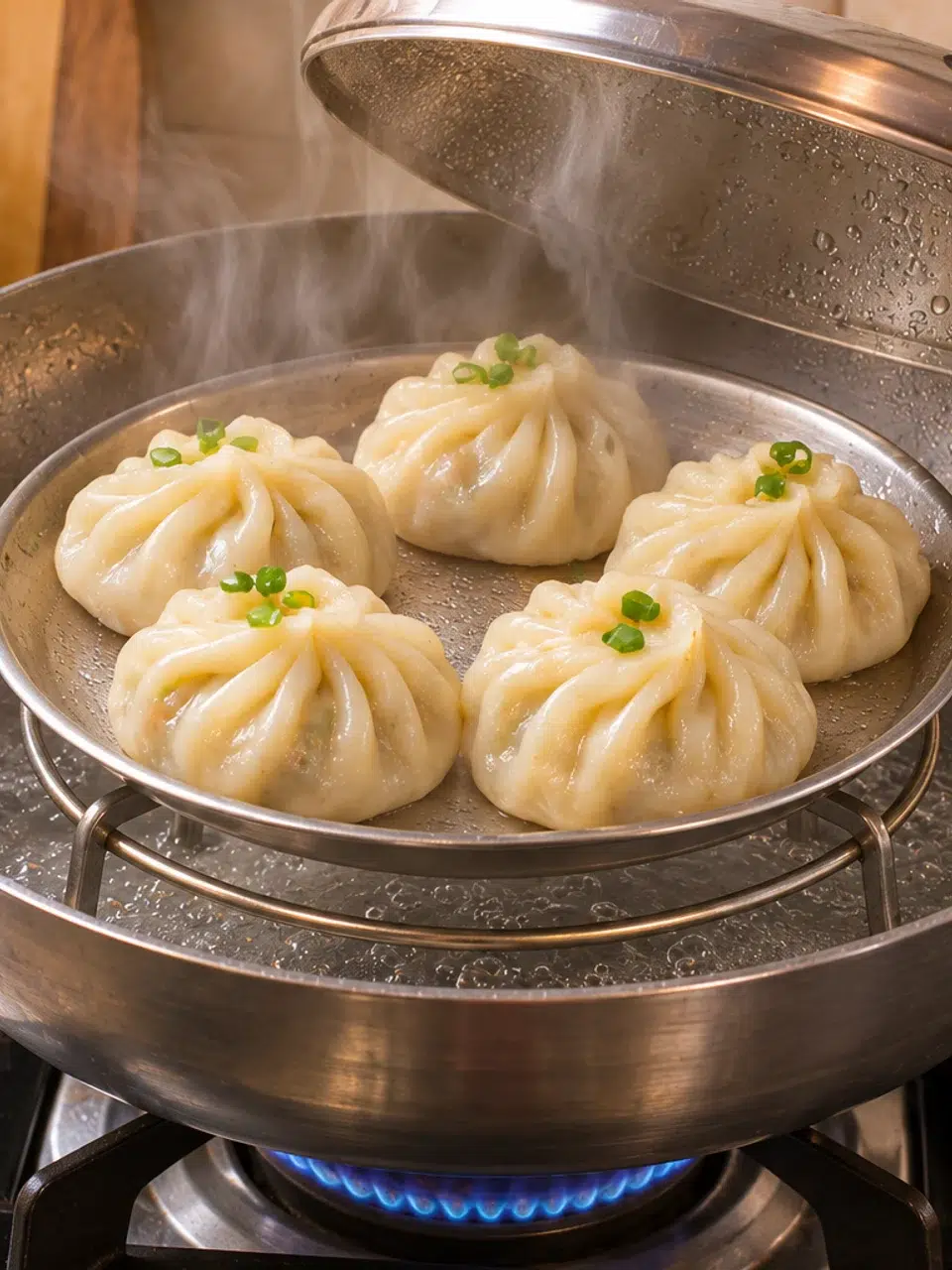
Steaming is useful for returning moisture to a cooked wrapper. Set the dumplings above simmering water on a suitable raised tray and allow the centre to reheat thoroughly. A covered pan can add a gently browned base, but the crust should not be mistaken for proof that the interior is hot enough. Reheat cooked leftovers to 74°C (165°F) according to FoodSafety.gov’s guidance.
If using a microwave, arrange the pieces so heat reaches them evenly, follow microwave-safe covering instructions and rotate or rearrange when needed. Dense fillings can retain cool spots even when the outside is steaming. Check the centre with a suitable food thermometer where practical. Reheat only the portion you plan to eat rather than warming a large batch repeatedly.
For detailed techniques, our guide to reheating momos compares steaming, a covered pan and a microwave. The leftover momo recipes also explain how safely stored cooked dumplings can become a broth bowl or vegetable plate without hiding their original filling.
Paneer, Meat, Vegetable and Sauce Storage Considerations
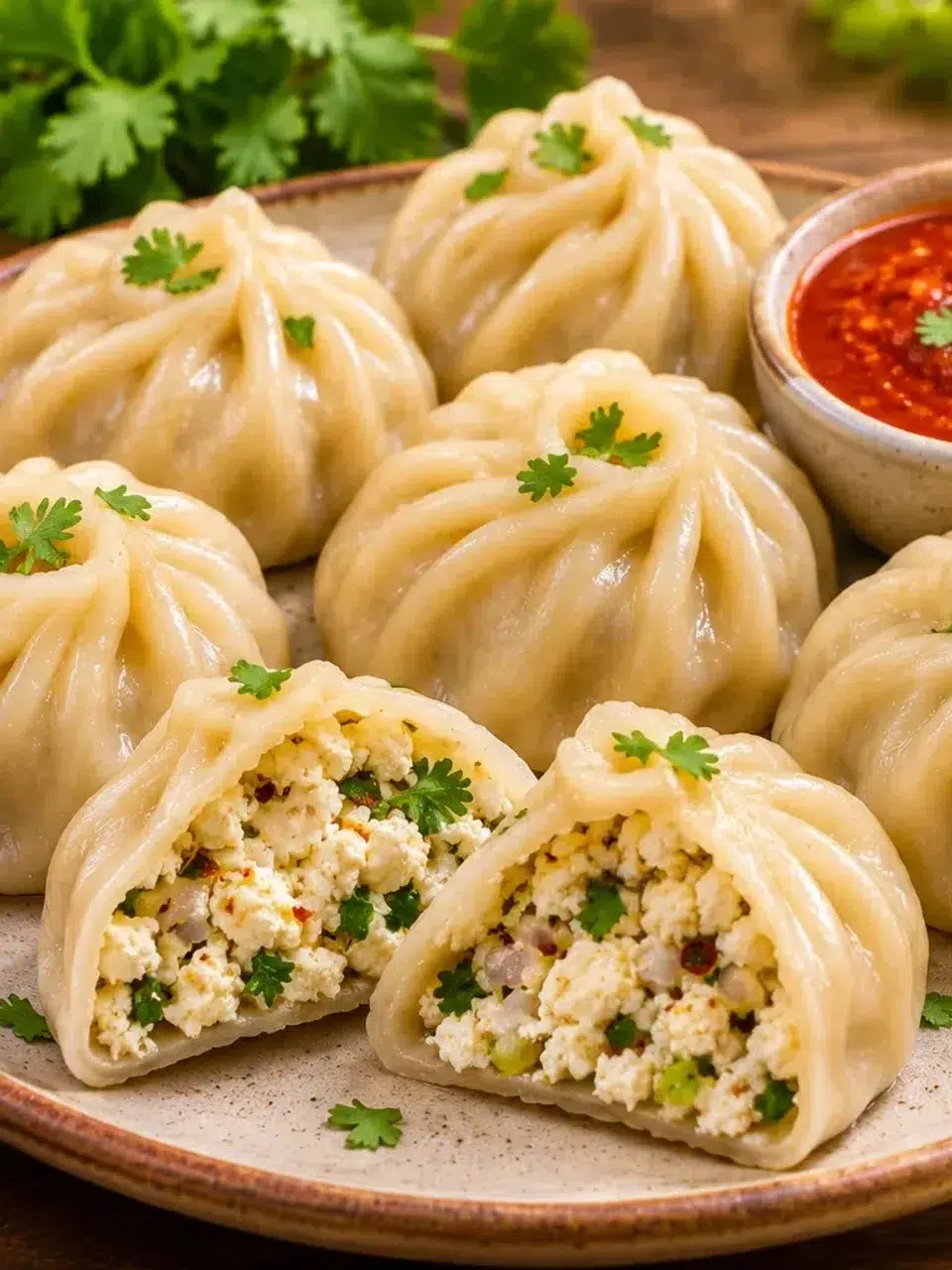
Vegetarian momos can still be perishable. Cooked cabbage, mushrooms, tofu and other fillings should be stored promptly, and a vegetable label does not exempt the dish from safe refrigeration. Paneer introduces milk and should be handled with the care appropriate to a dairy ingredient. Some dipping sauces contain yoghurt, peanuts, sesame or soy, which requires separate ingredient information for guests with allergies.
Meat-filled momos must be fully cooked before being treated as leftovers. A raw chicken dumpling kept in the refrigerator is not the same category as an already cooked chicken momo. Keep raw and cooked foods clearly separate, wash utensils after contact with raw ingredients and do not trust a translucent wrapper as proof the filling reached its safe cooking temperature.
Use the general cooked-leftovers time window only for food that was prepared and chilled safely. If a package of ready-made sauce or a particular ingredient specifies a shorter period after opening, follow the appropriate instructions. The most conservative relevant requirement should guide the meal, especially when cooking for someone with dietary restrictions.
When Freezing Is a Better Choice Than the Fridge
If you know you will not eat the cooked momos within the normal refrigerated-leftovers window, freeze suitable portions promptly rather than waiting until the final day. Divide them into small amounts, package in suitable freezer-safe containers and label each one with the filling and preparation date. Keep the freezer at −18°C (0°F) or below for continuous frozen storage.
Freezing can protect long-term storage when performed safely, but it does not make improperly held food safe or preserve the wrapper’s original texture perfectly. A cooked wrapper may become softer after thawing and reheating; a chilled pan-crisping finish can change that texture but still requires thorough reheating. Keep sauces separate where practical because some dips split or lose their intended consistency when frozen.
For raw homemade dumplings, see how to freeze uncooked momos. For a freezer bag that already contains dumplings, our frozen momo cooking guide explains the important difference between raw products and previously cooked frozen leftovers.
A Two-Meal Plan That Uses Leftovers Responsibly
After a family dinner, decide immediately which cooked dumplings are genuinely left over. Move suitable portions into clean containers, label the date and refrigerate promptly. Put the dipping sauce in a separate small container. If several people shared a platter, do not return food to storage when its handling has become uncertain.
For a next-day lunch, reheat one portion thoroughly and add a fresh vegetable side or warm broth. The dumplings should remain identifiable rather than disappearing under a large amount of sauce. If you need a convenient small meal later in the week, check the date and refrigerator temperature before reheating, then inspect the meal’s actual handling history. Do not extend the safe window because the wrapper still looks attractive.
At the end of the allowable period, discard unconsumed refrigerated cooked food. A simple plan is more effective than continually reheating the same tray or assuming a chilled sauce will preserve everything indefinitely. Clean the containers after use and keep raw-food utensils separate from the next batch of cooked dumplings.
Common Refrigerator-Leftover Questions
My momos smell fine. Does that mean they are safe?
No. Appearance and smell are not reliable tests of whether perishable food was stored safely. Use the known preparation time, refrigeration conditions and handling history. Discard questionable leftovers instead of tasting them.
Can I save momos that sat overnight on the table?
Perishable cooked food held at room temperature overnight exceeds the general safe limits. Discard it rather than chilling or reheating it. The same principle applies when a platter was left in a warm car or event venue.
What if the refrigerator was not cold enough?
Check a suitable thermometer and evaluate how long the food was above safe refrigeration temperatures. If the handling cannot be verified, discard the food. Move other perishable items to a working refrigerator and address the equipment issue.
Can I reheat and refrigerate the same batch repeatedly?
It is better to reheat only what you will eat. Repeated handling adds opportunities for contamination and poor temperature control, while the wrapper often becomes softer or tougher. Keep unopened portions chilled until they are needed.
Do sauce and dumplings share the same date?
Not always. A sauce may have different ingredients, preparation times and storage requirements. Label it separately, follow its own guidance and avoid mixing fresh dips into an older container of leftovers.
Frequently asked questions
Can I eat cooked momos after five days in the fridge?
The general FoodSafety.gov recommendation for cooked leftovers is three to four days, so discard those beyond that window.
Can I leave cooked momos overnight at room temperature?
No. Perishable cooked food held out overnight exceeds safe unrefrigerated time limits and should be discarded.
Will reheating always fix unsafe storage?
No. Thorough reheating is required for properly handled leftovers, but it cannot reliably reverse all risks from improper storage.
Practical labels for a family refrigerator
When several people cook in the same household, a simple label can prevent confusion. Write the dish, filling and cooking date on the container; for example, “cooked vegetable momos — Monday dinner.” If a sauce was prepared separately on another day, mark its date on its own lid. Keep raw foods and ready-to-eat leftovers in appropriately separate areas of the refrigerator.
A labelled container also helps you plan the next meal before the normal three-to-four-day window ends. Choose a portion that can be thoroughly reheated and served with a fresh side, or freeze suitable food promptly if you will not eat it soon. The label cannot make a poorly handled dish safe, but it removes uncertainty about the original cooking date and filling.