
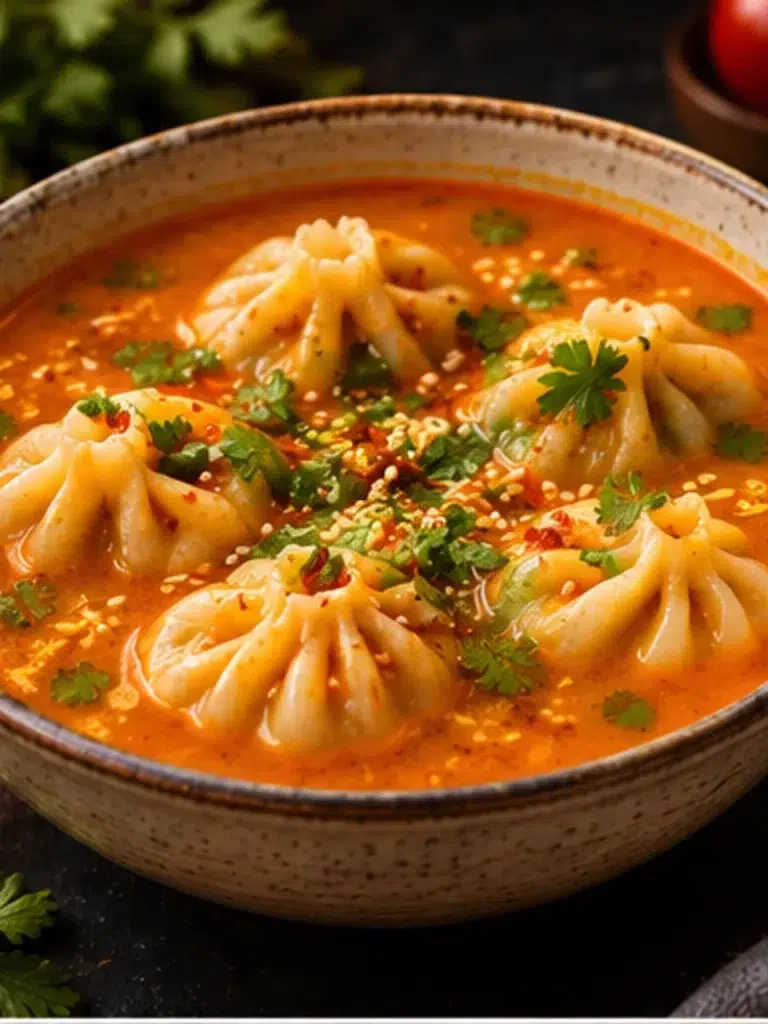
Himalayan vegetarian dinner menu: Plan a warm three-course gathering with ginger-vegetable soup, steamed momos and tomato achar, plus an optional light vegetable thukpa. This is a home menu inspired by the diverse culinary traditions of Himalayan regions, with flexible portions and plenty of space for guests’ preferences.
On this page
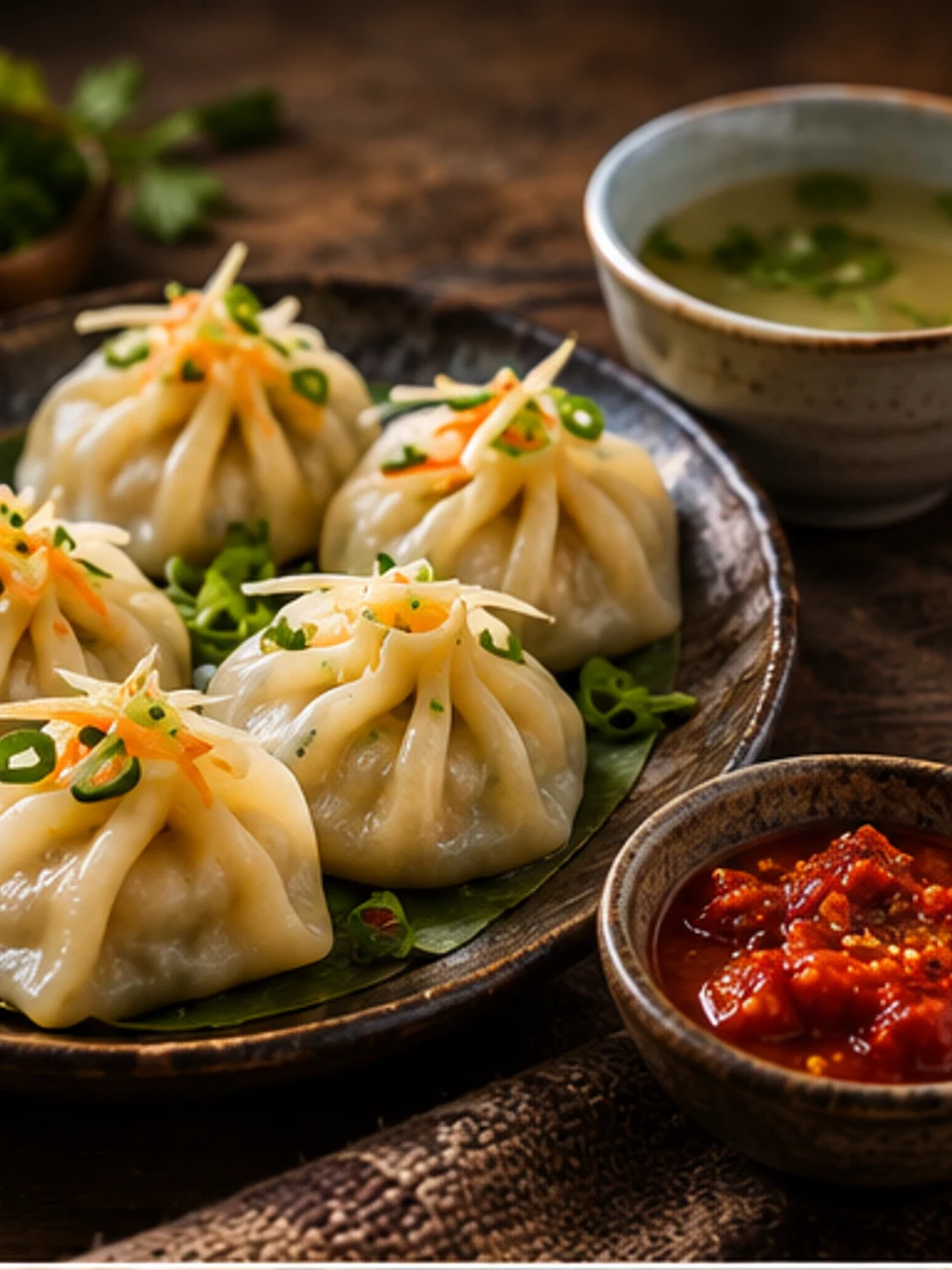
Himalayan vegetarian dinner menu: a three-course plan
Begin with a light broth and offer the momo course in the centre of the table so everyone can choose their preferred sauce. Treat the noodle bowl as optional: guests may enjoy a smaller portion of thukpa after momos, while others may prefer soup as their only first course. This keeps the meal relaxed and prevents every guest from feeling expected to finish three large servings.
A Himalayan vegetarian dinner menu can be designed around local seasonal produce rather than a rigid collection of ingredients. Tender greens, carrots, cabbage, tomatoes and ginger work well across the courses. Do not feel that every adaptation must represent the same household or region; choose clear names for the dishes and explain their inspiration in a simple, welcoming way.
| Course | Home idea | Purpose |
|---|---|---|
| Welcome | Small bowl of clear ginger-vegetable soup | Warm, light opening |
| Main | Steamed vegetarian momos with tomato achar | Hand-folded centrepiece and sauce contrast |
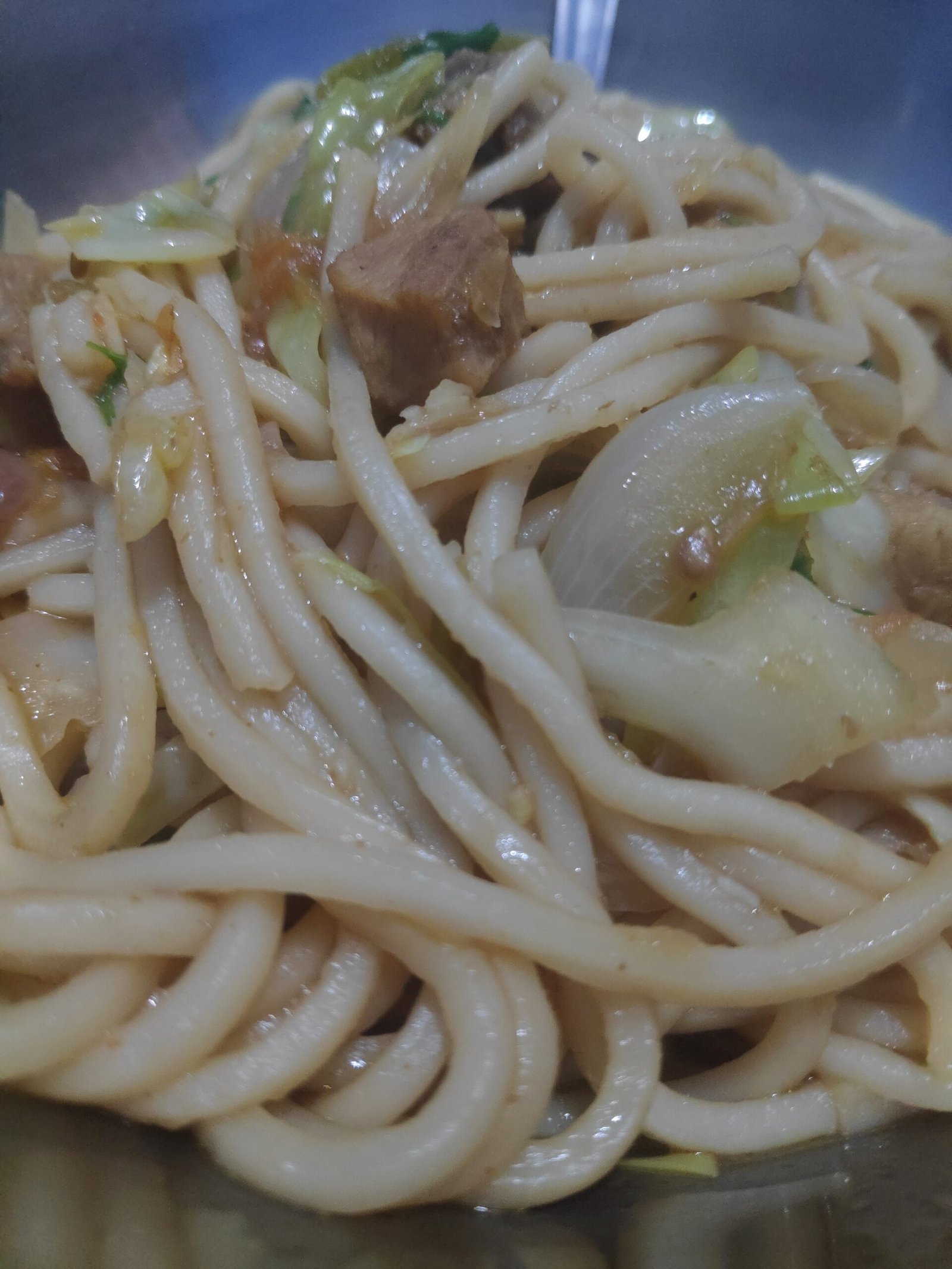
| Optional second bowl | Small vegetable thukpa | Comforting noodles, if guests want a fuller meal |
A large noodle bowl alongside a large dumpling plate may be too much for some guests; let each person choose rather than insisting on every course.
Why these dishes belong in the conversation
The Gangtok district government’s food guide lists momos, thukpa and tomato achar in the region’s culinary context. The Smithsonian’s account of momo history describes how overlapping trade and household traditions shaped the dumpling. Together, these traditions offer flexible inspiration for a warm, vegetarian meal at home.
What you can cook in advance
Separate your preparation into clean vegetables, fillings, wrappers and sauces. Keep perishable ingredients chilled until they are needed, and cover prepared dough to stop it drying out. If you have guests helping fold momos, set out a small working quantity of filling and replenish it from refrigeration as required. Clean utensils and separate bowls help keep different fillings organised.
Before service, set a steaming schedule that fits the number of dumplings your pot can hold without crowding. A crowded steamer can produce inconsistent results; smaller batches are often easier to manage. Aim to serve each batch fresh instead of accumulating cooked food on a room-temperature tray. This planning matters more than elaborate presentation in a home Himalayan vegetarian dinner menu.
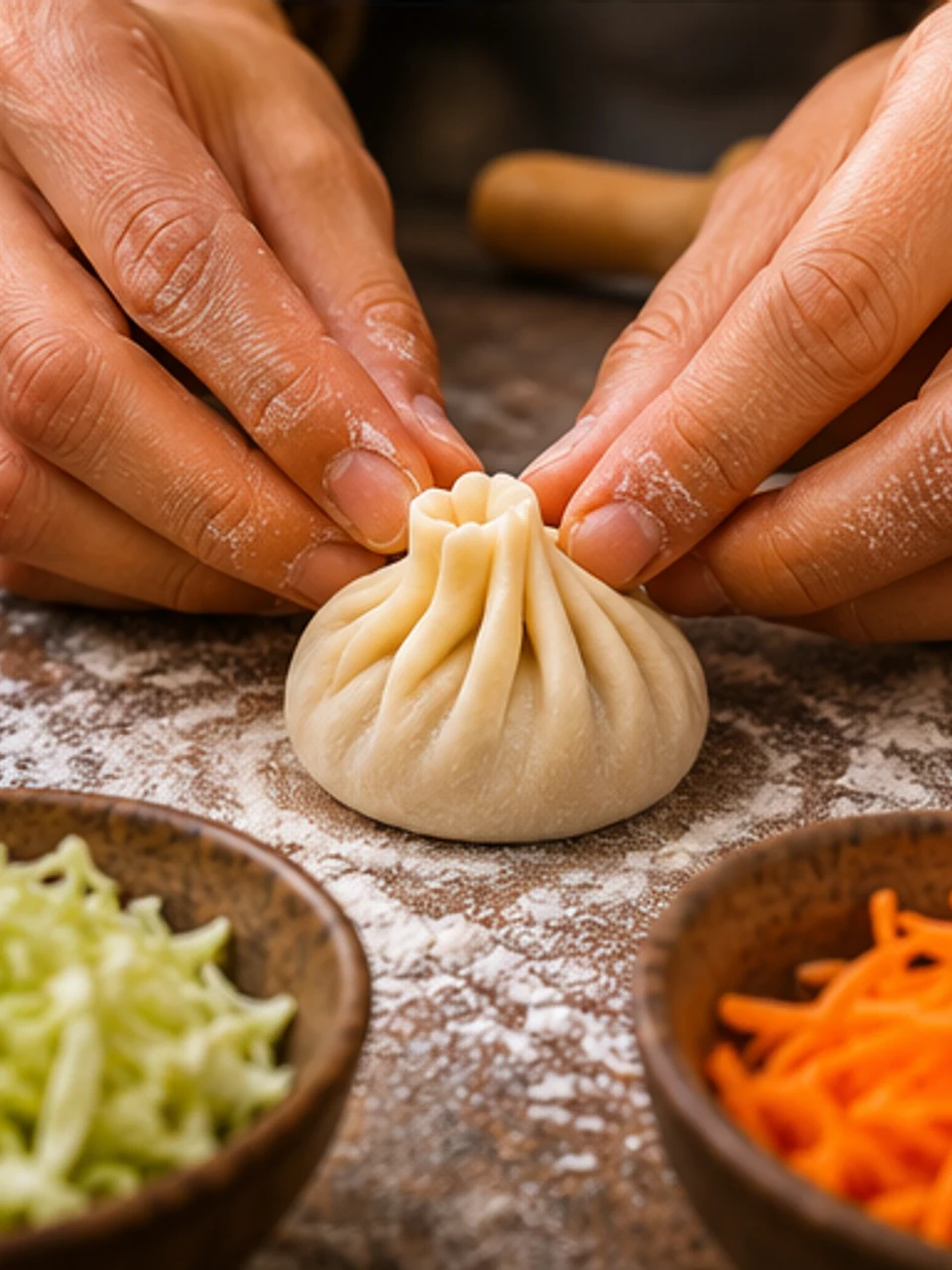
Prepare clean, chopped vegetables and suitable chilled fillings ahead. If freezing raw momos, arrange them separately on a tray and label the product as raw. Make cooked tomato achar in a small batch and chill promptly. Cook the thukpa broth in advance if useful, but prepare or refresh noodles close to service for better texture. For more ideas, see our jhol momos recipe and steaming guide.
Achar and dietary needs
Offer a mild tomato dip separately from a fiery chilli sauce. If sesame or peanuts are used in an achar, label them and avoid shared utensils for guests with allergies. Paneer is a dairy food, so a vegetarian paneer momo is not vegan. Standard wheat wrappers contain gluten, regardless of the vegetable filling. Use the ingredient and allergen questions as a reference point.
A thoughtful dining rhythm
A light starter can be a vegetarian momo soup with ginger broth, served in small bowls before the main dumpling course.
Serve a small first course while the dumplings finish steaming, then offer a few warm momos at a time with separate sauces. Avoid preparing giant trays early only for them to dry out or sit at unsafe temperature. FoodSafety.gov’s handling guidance recommends prompt refrigeration of perishable food and separate raw and cooked preparation. A little preparation planning often matters more than decorative plating.
Make the dinner your own
For a comforting noodle-soup alternative, consider our vegetable thukpa recipe with ginger broth, noodles and seasonal vegetables.
Choose a lighter or heartier menu based on your guests and the season. A small homemade achar, warm momos and a simple broth are enough for a welcoming table. Explore the Momo Crown story for more about the brand’s Himalayan inspiration.
Himalayan vegetarian dinner menu: shopping and timing
For a small gathering, prepare enough wrappers and vegetables for the momo course, then choose one light soup and one or two sauces. Build your shopping list around cabbage, carrots, spring onions, ginger, tomatoes, fresh herbs and your preferred noodle or soup base. Check the wrapper ingredients before shopping for anyone avoiding wheat; a vegetarian dish is not necessarily gluten-free.
On the day before dinner, wash and dry vegetables, prepare clean containers, and make any sauce that can be chilled safely. On the day, fold the momos while the broth simmers and steam them close to serving. Offer a small bowl of broth as guests arrive, then bring out hot momos in batches instead of leaving cooked trays at room temperature.
Make the table welcoming
Prepare small dishes for achar, herbs and optional chilli instead of mixing all the heat into the main course. Guests can season their own plates, and mild eaters can enjoy the dumplings without a spicy sauce. Place a simple list of common allergens beside shared sauces, and provide separate utensils to reduce avoidable mixing. Someone with a serious allergy should rely on verified ingredient and preparation information.
For drinks, choose water, warm tea or another non-alcoholic pairing that suits the group. Serve the soup in small bowls to leave room for the momos. A thoughtful Himalayan vegetarian dinner menu invites conversation, allows substitutions, and makes the meal enjoyable without strict courses or unnecessary claims about authenticity.
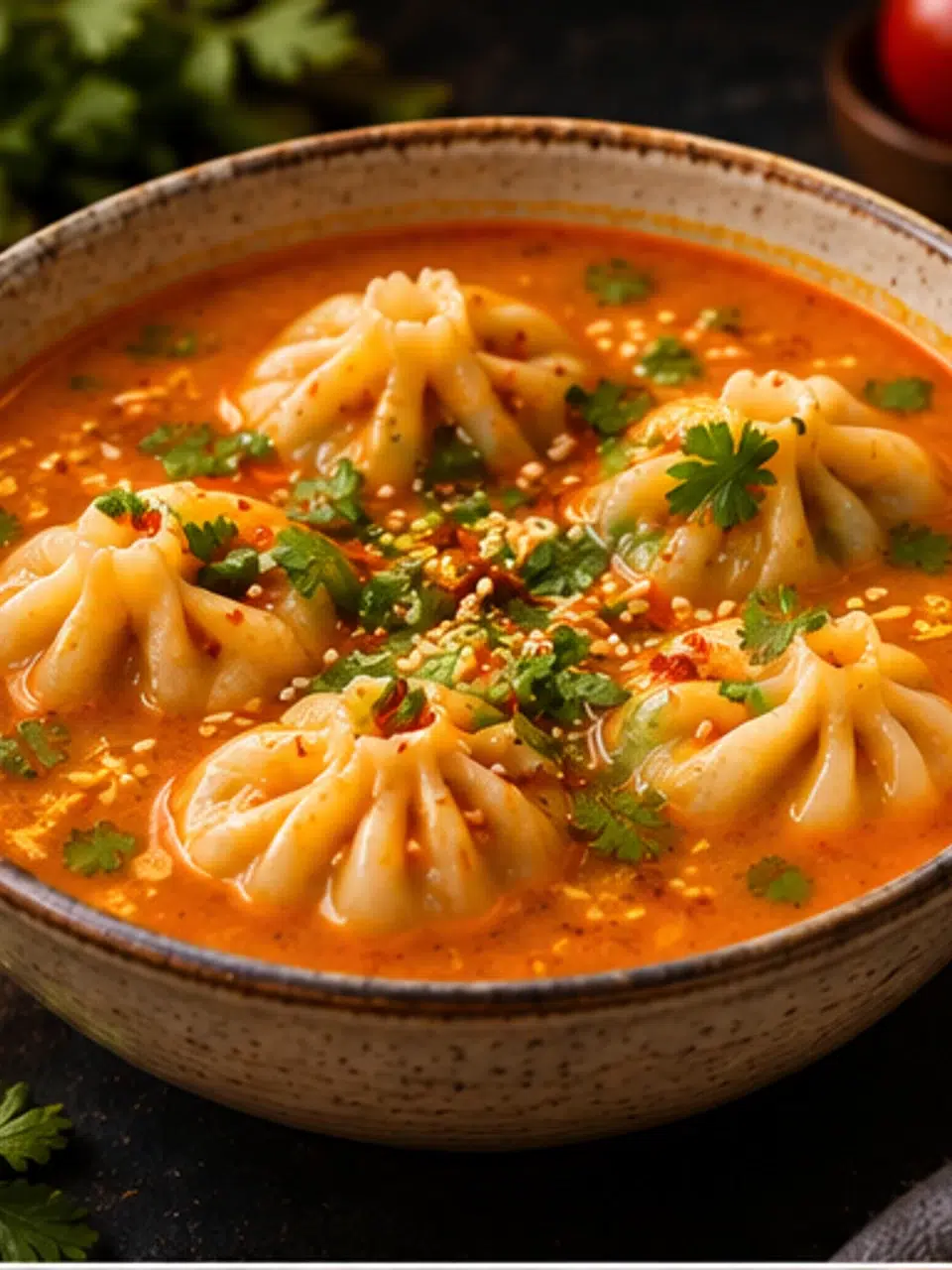
Arrange mild and spicy achar in separate bowls with their own spoons. A simple printed menu helps people identify ingredients and choose a course that suits them. Keep hot liquids away from children, offer water alongside tea, and allow time to enjoy the food rather than rushing between courses.
A good Himalayan vegetarian dinner menu is more about warmth, thoughtful serving and regional inspiration than elaborate decoration. If children are joining, our mild momo serving guide for kids covers suitable textures and supervision. For a different broth-based momo preparation, explore our jhol momos recipe.
Build the courses around balance and appetite
A successful home menu is not a contest to serve the largest number of dishes. Think first about the people coming to the table and whether they prefer a long, leisurely dinner or a lighter weekday gathering. The Himalayan vegetarian dinner menu can centre on three complementary experiences: something warm to sip, a dumpling course with a satisfying bite, and a small finishing bowl or vegetable accompaniment.
Start with a ginger-forward vegetable broth or a simple seasonal soup. Its purpose is to welcome guests without making them full before the main dish. Follow with steamed vegetable momos, whose texture contrasts with the liquid starter. Offer tomato achar, fresh herbs and optional chilli at the side. For a third course, choose a modest portion of vegetable thukpa or another light noodle-and-vegetable preparation if the group enjoys it.
Himalayan home cooking is diverse, with dishes and dining traditions varying among communities. This practical vegetarian menu draws inspiration from those varied traditions while leaving room for your household’s preferences.
When designing portions, leave space for guests to request more dumplings rather than serving everyone a very large first plate. Put water and other non-alcoholic drinks within easy reach. A little planning around appetite makes a Himalayan vegetarian dinner menu feel generous without creating avoidable leftovers.
Shopping list by ingredient and kitchen task
Organise the shopping list into categories instead of listing the same vegetable separately for every dish. For the wrappers, you will need a suitable flour and water; check the flour used if guests have gluten restrictions. For a vegetable filling, choose combinations such as cabbage, carrots, greens, ginger and spring onion according to preference. Keep the vegetables fresh, clean and suitably prepared.
For a broth or noodle course, gather vegetable stock ingredients, mushrooms or leafy greens and the preferred noodles. Read packaged-stock labels: some products marketed as flavourful soups can contain animal-derived ingredients, and a meat-free dish can still contain allergens. If you want a vegan dinner, check whether packaged noodles or sauces include egg or dairy.
For achar, choose ripe tomatoes, a little citrus or another suitable acid, and seasonings that fit your guests. Chilli is easiest to manage when it is served separately. Sesame seeds, peanuts and soy ingredients are optional possibilities in different sauces, not ingredients that should be added without checking whether they suit the table.
Make a final equipment list as well: steamer or secure pot insert, rolling pin, chopping board, clean preparation bowls, ladle, tongs, covered containers and enough serving dishes to keep different sauces separate. A Himalayan vegetarian dinner menu becomes easier to execute when tools and serving equipment are ready before the first guest arrives.
Cooking timeline for a relaxed gathering
Before the day: Decide on the exact menu and ask guests about dietary needs. Check that your steamer, pot and serving bowls can handle the planned portions. Shop for shelf-stable ingredients and create a place in the refrigerator for perishables. If you use a prepared sauce or packaged noodles, review labels before the meal rather than at the last moment.
Earlier on the day: Wash and prepare suitable vegetables, mix filling ingredients with clean utensils and keep perishable components chilled. Set aside ingredients needed for the broth. Make a sauce that can be stored safely under its recipe’s guidance. If you prepare dough in advance, keep it covered so the surface stays supple and use an appropriate storage method for the time involved.
Closer to dinner: Roll and fill the momos in manageable batches. Keep any prepared perishable filling refrigerated between batches, and avoid leaving it out throughout a long folding session. Bring the soup ingredients and clean cooking equipment together. Decide when each steaming batch should start so hot dumplings can go from the steamer to the table promptly.
At serving time: Offer the warm starter first, steam the momos thoroughly and plate them with separate dips, then finish the optional noodle course without leaving cooked food at room temperature for an extended period. This timeline is a workflow, not a measured cooking-time promise; the safest timing depends on ingredient quantities, equipment and the dish being prepared.
Make the table work for different diets
A mixed group may include people who avoid dairy, eggs, gluten, garlic, onion or chilli. Instead of promising that a single version of a dish will meet every requirement, identify the ingredients in each component. Wheat wrappers are common, so a vegetable filling does not automatically make the dumplings gluten-free. Paneer contains milk, while some sauces may include sesame, peanuts or soy.
For someone who prefers plant-based food, choose a filling without dairy or eggs, confirm that the broth uses suitable ingredients, and check any noodles or prepared condiments. Keep chilli and intense seasonings separate rather than assuming that everyone enjoys the same level of heat. A Himalayan vegetarian dinner menu can be inclusive without requiring all guests to eat exactly the same plate.
People with medically significant allergies need reliable ingredient and cross-contact information. Use separate preparation and serving utensils where necessary, and do not treat a new label or garnish as a substitute for verified safe preparation. If you cannot meet a guest’s requirements confidently, discuss an appropriate alternative before cooking.
At the table, place labels beside different sauces and use separate serving spoons. If a platter contains several fillings, arrange them so guests can tell which is which. The main advantage of this setup is clarity: diners can choose food that suits them, and the host does not need to field the same ingredient question repeatedly.
Thoughtful swaps when ingredients or time are limited
Home cooking rarely follows an ideal shopping list. If fresh cabbage is unavailable, another finely chopped suitable vegetable may work in a filling, though moisture and texture can change. If you are short of time, keep the momo filling simple and let the accompaniments provide colour. Do not force a complex sauce into a meal when a basic tomato dip meets guests’ preferences.
A clear vegetable broth can replace a richer soup starter, and a modest leafy-green course may be preferable to an entire noodle bowl after substantial dumplings. If you cannot prepare three separate courses safely and comfortably, serve two courses well rather than pushing through a rushed third. The phrase Himalayan vegetarian dinner menu describes the idea, not a requirement to reproduce a fixed ceremonial format.
When substituting ingredients, pay attention to the cooking process. A watery vegetable filling may weaken the wrapper or make sealing difficult. Some wholegrain flours require different handling from refined wheat flour. A thicker sauce may need additional liquid before serving as broth. Make these adjustments based on the actual ingredients rather than relying on an identical cooking time.
Store extra food in clean, appropriately chilled containers as soon as practical. Keep broth and dumplings separate if you want the wrappers to maintain their texture for a later meal. A thoughtful menu includes a plan for portions and leftovers, not just ideas for the first plate.
A host’s final checks before guests sit down
Walk through the table once before serving. Is there a clean utensil for each shared dish? Can guests identify which sauce is spicy? Are drinking water and napkins within reach? Are there bowls suitable for soup as well as plates for dumplings? These ordinary details make a larger difference to the dining experience than an elaborate presentation that interrupts the meal.
Check the texture and internal cooking of the prepared momos, and do not assume that a golden or translucent wrapper alone confirms the filling is done. Avoid holding cooked food for long periods on a cool counter. If guests will arrive at different times, plan smaller cooking and serving batches rather than leaving one large platter out indefinitely.
If children are joining, arrange for a caregiver to supervise eating and adapt the dumplings into suitable pieces for the individual child. Sauce containers can be placed away from the youngest diners so they can eat a mild portion without reaching for strong dips. Confirm that guests who need separate food can identify their portions easily.
Finally, enjoy the meal. The Himalayan vegetarian dinner menu is meant to make hosting feel hospitable, not to become a performance. Invite guests to choose their preferred sauce, share the story behind the dishes that inspired the plan, and allow room for conversation. Simple cooking, clear information and considerate service make the gathering memorable.
Frequently asked questions
Is every dish in this plan traditionally eaten together?
No. The dinner is a modern home arrangement inspired by documented Himalayan food traditions.
Can the whole dinner be vegan?
Yes with suitable plant-based filling, broth, wrapper and sauce ingredients, but verify each item.
Can I make the meal suitable for guests with different diets?
Yes, by planning suitable fillings, wrappers and sauces in advance and preventing cross-contact. Confirm individual ingredients rather than relying on a broad label.
Sources and further reading
- Gangtok District Government: regional food recipes
- Smithsonian: history of Himalayan momos
- FoodSafety.gov: safe preparation and service
Explore more ideas on the Momo Crown story and menu pages.