
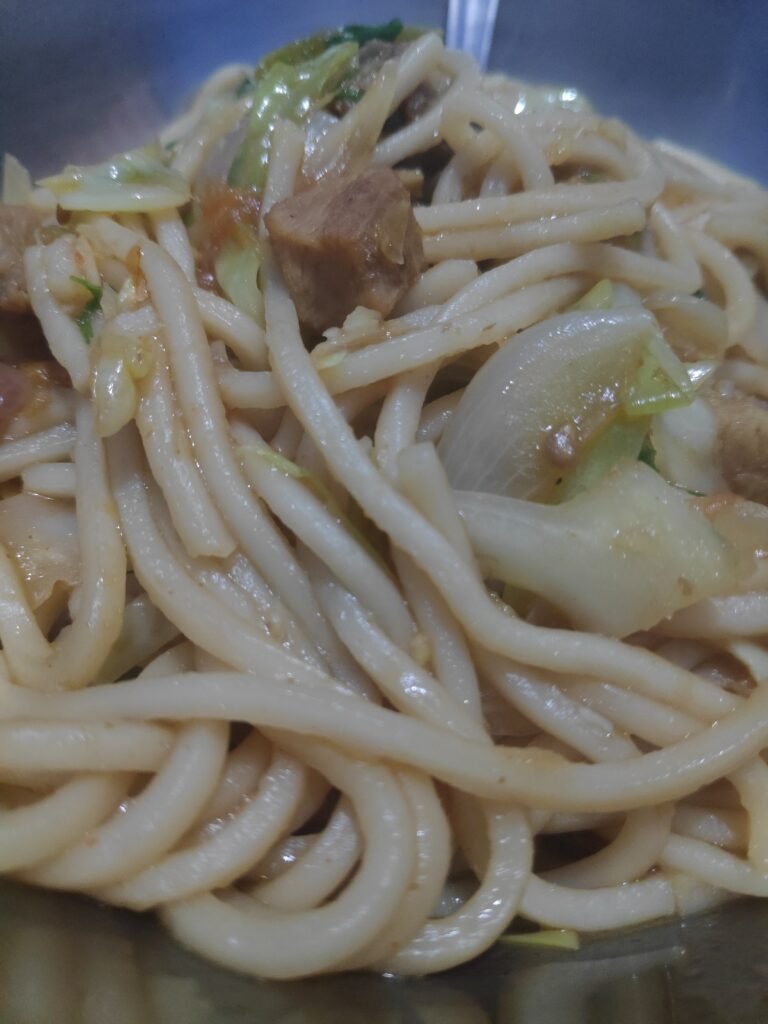
Vegetable thukpa recipe — at a glance: Thukpa is a family of noodle soups associated with Tibetan and wider Himalayan foodways, not one fixed formula. This vegetable thukpa is a light home interpretation with noodles, greens, ginger and clear broth—comforting without pretending to reproduce every regional version.
On this page
Estimated yield: About two generous bowls. Planning time: 30–40 minutes, depending on noodle type and vegetable preparation. Adjust the cooking time to your noodle package and vegetable cut sizes.
Ingredients
Soup and vegetables
- 100–120 g dry noodles, suitable for soup
- 800 ml vegetable stock or water
- 1 tsp neutral cooking oil
- 2 tsp finely sliced ginger
- 1 garlic clove, optional
- 80 g carrot, thinly cut
- 70 g shredded cabbage
- 60 g mushrooms
- 1 handful washed spinach or greens
- 2 tbsp chopped spring onion
- Black pepper and salt to taste
Optional serving additions
- Lemon wedge
- Small amount of cooked chilli sauce, kept separate
How to make it: step-by-step
- Wash and prepare all vegetables. Cut carrots and cabbage finely so their cooking time suits the broth.
- Bring a separate pot of water to a boil and prepare the noodles according to the packet; drain if your noodle type requires it.
- In a saucepan, warm a little oil and soften ginger, garlic if using and spring-onion whites without burning.
- Add carrot, mushrooms and cabbage, then the stock. Simmer until the vegetables are tender but not collapsed.
- Add washed greens briefly near the end; season with pepper and salt to taste.
- Divide cooked noodles between bowls and ladle hot broth and vegetables over them. Finish with spring-onion greens and lemon if desired.
What makes this thukpa-inspired rather than one definitive recipe?
The Government of Sikkim lists thukpa/gya-thuk among established regional noodle soups. A Sikkim Tourism newsletter also describes multiple varieties and noodle forms. The recipe here therefore avoids claiming an exclusive origin or asserting that every family uses the same noodle, broth or meat. It is a vegetarian adaptation for home cooks.
Noodle and broth choices
Thin noodles cook quickly; thicker wheat noodles need more time and can absorb broth after serving. Cook noodles separately when you want a clear soup and a more predictable texture. If using a packaged stock, read the sodium and allergen list. The noodles and soy-based seasonings may contain wheat or soy.
How to develop depth without heavy sauce
Ginger, spring onion and mushrooms give an aromatic foundation. Let the broth simmer gently to bring the ingredients together, but do not boil delicate greens until dull. Chilli is optional: thukpa does not need to be intensely hot to be satisfying. A little lemon on the table lets each diner choose acidity.
Food safety and serving
Keep vegetables and utensils clean, and do not hold cooked noodles and broth at room temperature for an extended period. For leftovers, chill promptly in shallow containers per FoodSafety.gov. If adding cooked poultry to a separate version, follow the relevant safe heating guidance rather than reusing this vegetarian timing.
The featured photograph is an existing credited thukpa image, not a photograph of this recipe or a Momo Crown restaurant plate. The current official menu should be consulted for actual dishes.
What Makes Thukpa a Himalayan Noodle Soup?
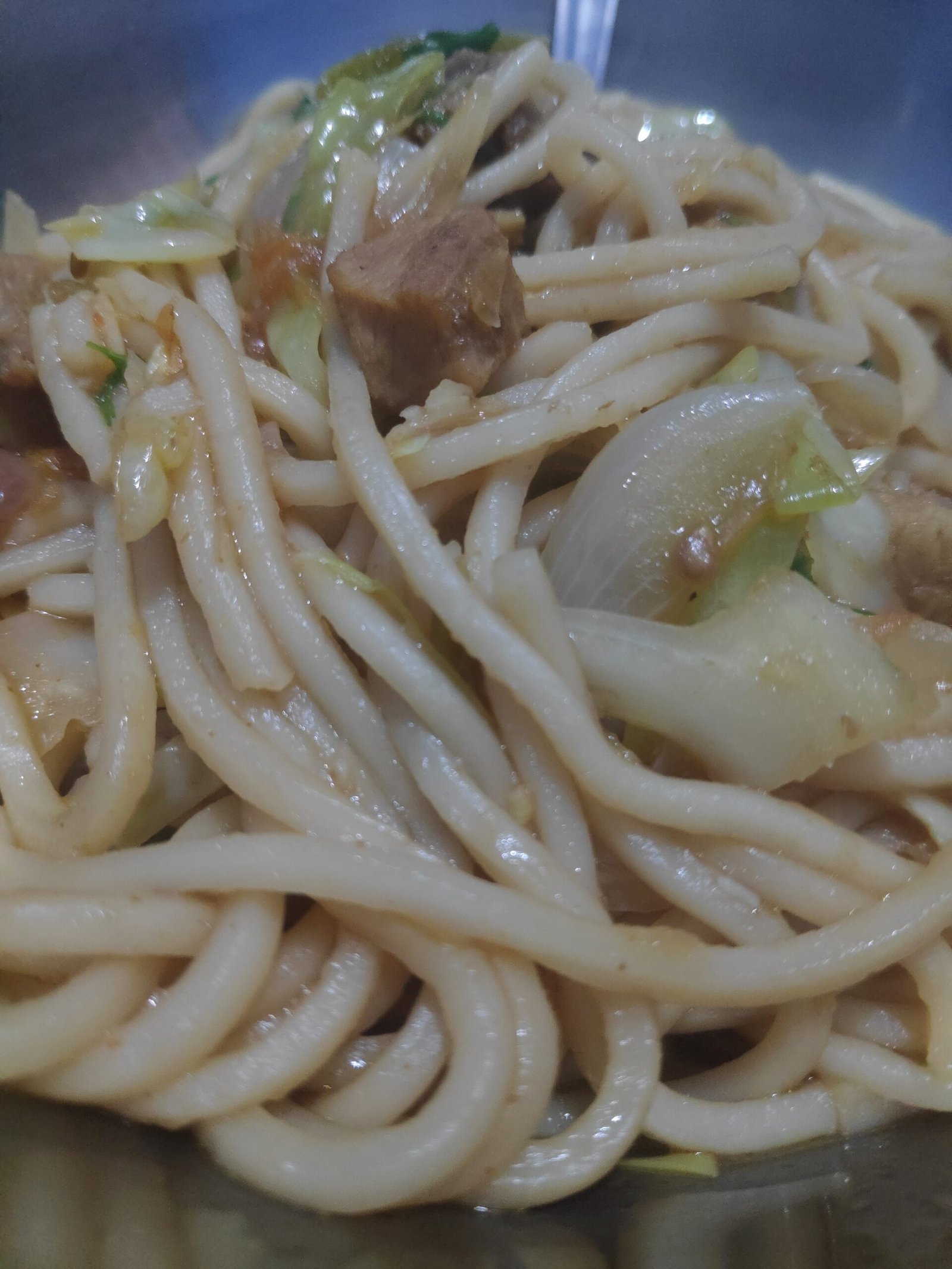
Thukpa is associated with Tibetan and Himalayan food traditions and has many variations across households and regions. It generally brings noodles together with a seasoned broth, often including vegetables and sometimes meat. The bowl can be light and clear or more substantial depending on the noodles, vegetables and cooking method. There is no single universal garnish or spice mixture that defines every thukpa.
The Government of Sikkim’s food overview lists thukpa, also called Gya-Thuk in that reference, among dishes associated with the region. That is useful context for a Himalayan-style vegetable recipe without claiming that one home bowl represents every local preparation. Broth and noodles also appear in different food traditions beyond any one border; the variations are part of the dish’s appeal.
For a home version, begin with vegetable stock, ginger, noodle portions and a few vegetables that suit your taste. Keep the broth relatively clear if you want to highlight the ginger and greens. Add more vegetables for a heartier bowl, but avoid describing it as a nutritionally complete meal unless the actual ingredients, portion and dietary needs have been considered.
Choose the Right Noodles for Vegetable Thukpa
Wheat noodles can make a springy, satisfying thukpa base. Choose a type that is designed for soup and follow the cooking instructions on the package. Some varieties need a short simmer in broth, while others are cooked separately before being added. The latter approach helps prevent an over-starchy pot when the noodles would otherwise sit in liquid for a long time.
Rice noodles can work for a different home variation. They cook quickly and may soften substantially if held in hot broth. Read the packet and add them near serving rather than assuming the same cooking time as wheat noodles. If you need to avoid gluten, check not just the noodles but also the stock, sauces and preparation surfaces; a bowl made with rice noodles is not automatically gluten-free.
Measure the dry noodle amount for the number of people at the table. The starter recipe uses 100–120 g of dry noodles for roughly two generous servings, but appetite and brand thickness vary. If making a lighter soup, use a smaller amount and increase vegetables. Do not rely on a single serving weight as a claim about calories or protein.
Build a Clear, Aromatic Ginger Vegetable Broth
Heat a small amount of neutral oil in a suitable pot and gently soften grated or thinly sliced ginger. Garlic is optional and can be omitted for guests who do not want it. Add clean vegetable stock or water and bring to a gentle simmer. If using packaged stock, inspect the ingredients first: some products contain allergens, animal-based components or substantial sodium even when the label appears familiar.
Carrot, cabbage and mushrooms are useful additions because they contribute texture without needing a heavy sauce. Add firm vegetables earlier and delicate greens later so they do not all become soft at the same time. Simmer until the vegetables are appropriately cooked. Taste the broth for salt after the stock has been heated, particularly when starting with a salty packaged product.
For a brighter finish, add a little lemon or lime after cooking if it suits the vegetables. A large amount of chilli is optional, not necessary for the identity of a noodle soup. Offer extra chilli at the table rather than seasoning the whole pot aggressively for a mixed group. A simple clear broth allows the noodles and vegetables to remain identifiable.
Prepare Vegetables for Tenderness and Colour
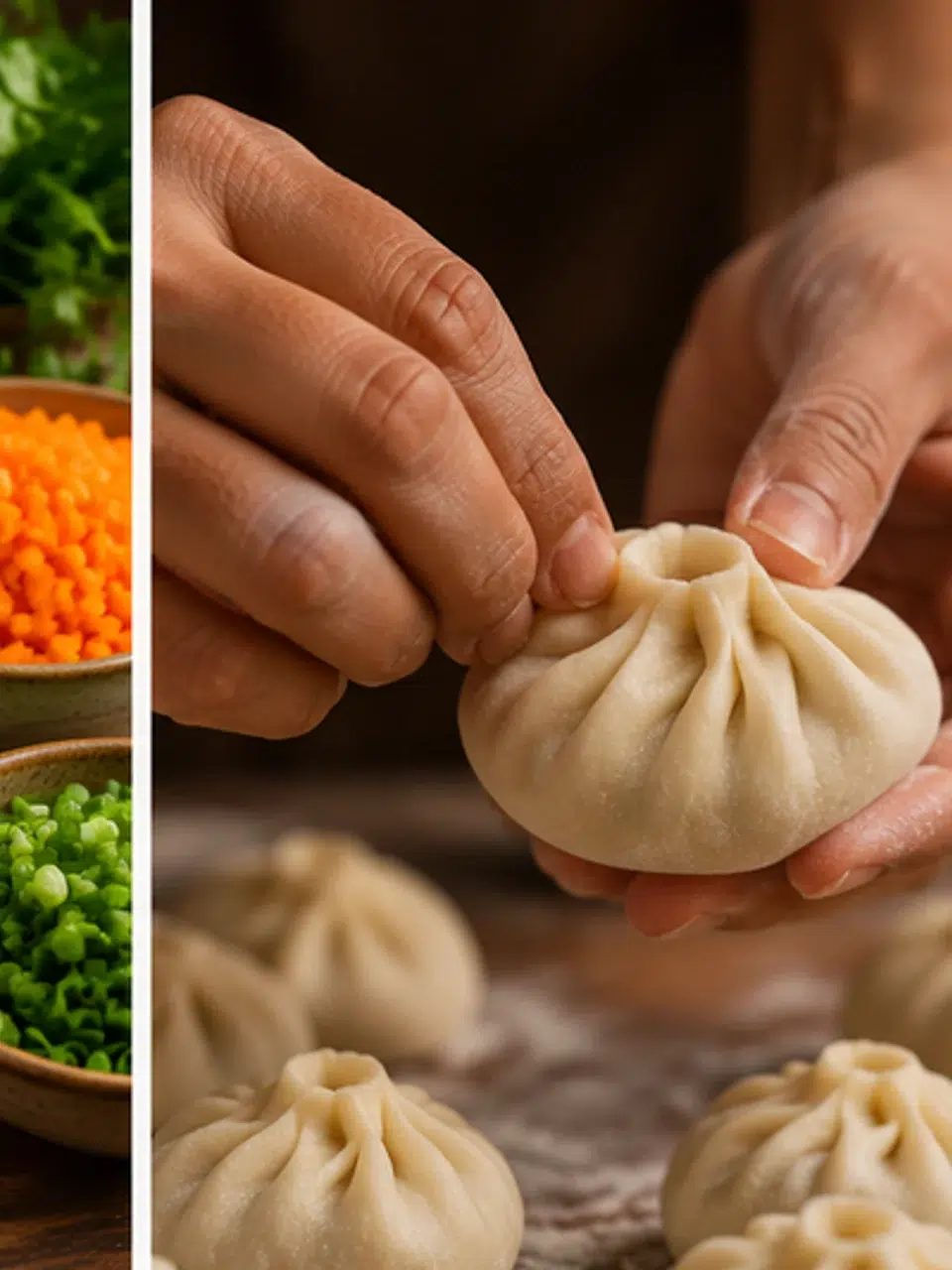
Wash fresh produce under running water and use a clean cutting board. Slice carrots thinly enough to cook in a modest simmer, and shred cabbage into pieces that are comfortable to lift with noodles. Mushrooms should be cleaned and cut into manageable pieces, then cooked thoroughly. If using spinach or another delicate green, add it near the end so it wilts without spending the whole cooking period in boiling broth.
Vegetables do not all take the same time. A thick carrot slice may remain firm while chopped greens are already soft. Cut pieces to a similar bite size or add them in stages. If a vegetable releases much water, taste the broth again because its seasoning may be diluted. For a clean bowl, avoid overloading the soup with so many different vegetables that the noodles become difficult to serve.
Frozen vegetables are another option if handled according to their package instructions. They may release water into the pot and can cook at different rates from fresh produce. Do not leave frozen perishable ingredients thawing indefinitely on the counter. Use suitable cooking and refrigeration practices, especially if preparing soup ahead of a family meal.
Step-by-Step Cooking Order for Vegetable Thukpa
First: Prepare the noodles according to their package directions, either separately or in the broth when appropriate. If cooking separately, drain them cleanly and set them aside for assembly near serving. Prepare the vegetables and aromatics while the water heats, so the soup can be assembled promptly and safely.
Second: Warm the oil and gently cook ginger and optional garlic without scorching. Add stock, bring to a simmer, then start with firm vegetables such as carrot. Add cabbage and mushrooms according to their size and cooking needs. Keep the broth at a steady simmer until vegetables are tender and appropriately cooked.
Third: Add noodles at the correct point for their type. If they were already cooked, warm them through in the broth briefly. If they are designed to cook directly in soup, follow the package time and check that they are no longer raw or excessively firm. Finish with delicate greens, spring onion or coriander according to preference.
Fourth: Taste for salt, pepper and acidity. Serve in heat-safe bowls and allow the soup to cool to an appropriate eating temperature. If a guest wants extra chilli, provide it in a separate clean bowl. Avoid leaving cooked noodle soup sitting at room temperature throughout an evening.
Vegetable Thukpa vs Momo Soup: What Is Different?
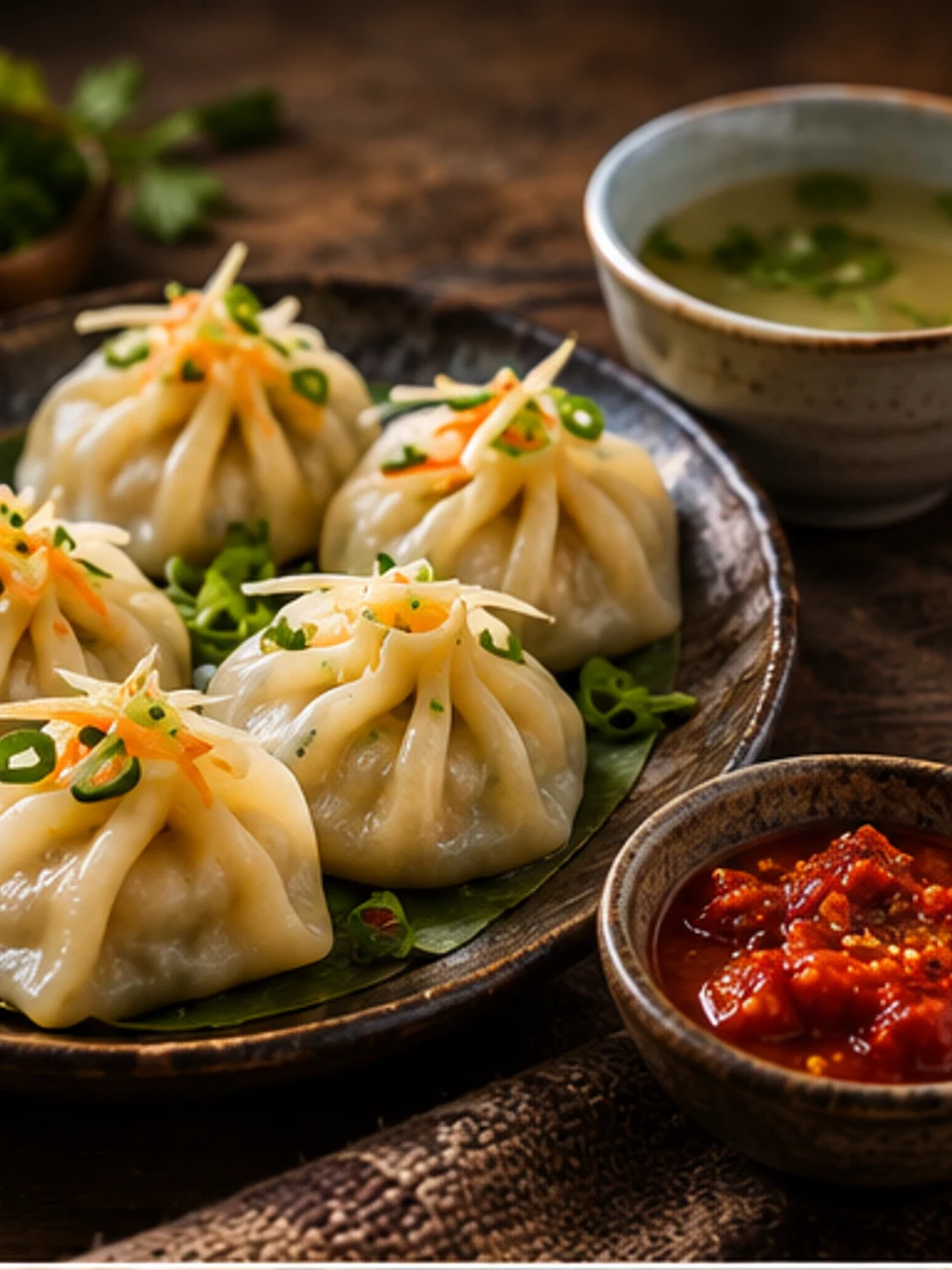
Thukpa is a noodle-based soup. A momo soup uses filled dumplings instead of noodles as the main starch component. Both can include vegetable stock, ginger and greens, and both can be gentle comfort foods, but their texture and preparation differ. A noodle may absorb broth differently from a wheat momo wrapper, so the timing of assembly matters.
Thukpa can be light and broth-led, while a plate of momo soup can focus on the flavour of the dumpling’s filling. Neither term guarantees a particular spice level or ingredient list. Some versions are meaty, some vegetarian, and some contain dairy or other allergens. Choose based on what you are actually cooking rather than treating labels alone as proof of dietary suitability.
For another homemade meal, see our vegetarian momo soup recipe. It combines fully cooked momos with a clear ginger broth. You can also read the jhol momos guide for a more spiced, sauce-led presentation. A warm soup and a dipping chutney are different ways of serving a Himalayan-inspired meal.
Four Ways to Adjust a Vegetable Thukpa Bowl
Ginger-forward: Increase fresh ginger gradually, taste the broth and stop when it feels warming without becoming harsh. A little spring onion at the end can add a fresh aroma. This version works especially well when the noodles and vegetables are simply seasoned.
Leafy and light: Use spinach or another suitable washed green near the end of cooking. Keep the broth fairly clear and avoid adding thick sauces that obscure the vegetables. This is a practical way to make a lighter bowl, although the exact nutritional profile depends on portion and ingredients.
More savoury: Add appropriately prepared mushrooms and a modest amount of suitable soy sauce if desired. Soy sauce may contain soy and wheat, so check labels carefully. Avoid using it automatically if the stock is already well seasoned; too much bottled sauce can make a gentle soup salty.
Extra heat: Offer a small chilli dip on the side rather than making the whole pot spicy. For a family meal, you might serve a mild bowl to some diners and add chilli after plating for others. Keep serving utensils separate when dietary restrictions matter. Each version remains a home variation rather than one fixed regional recipe.
Serve Thukpa While the Noodles Still Have Texture
Thukpa is pleasant when the broth is hot and the noodles are tender but not collapsed. If you cooked noodles separately, divide them among heat-safe bowls and ladle broth and vegetables over them immediately before serving. This helps preserve texture, particularly when preparing multiple portions. A little chopped spring onion or coriander can finish the bowl.
For a family table, choose bowls deep enough for both noodles and liquid and keep extra seasonings separate. If children are eating, allow the soup to cool to a suitable temperature and supervise them; hot broth can burn long before a person realizes it. Serve a suitable side of cooked vegetables or another small dish if the soup is part of a larger dinner.
Wheat noodles contain gluten, and packaged broth or seasoning sauces can contain soy, milk or other allergens. Read labels carefully if preparing a meal for guests with restrictions. The Momo Crown allergen information page can help frame the questions to ask about different prepared foods, though this homemade bowl depends on your own ingredients.
Make-Ahead Broth and Safe Noodle Soup Storage
Preparing the broth and vegetables ahead can make a later meal easier. Cool cooked soup promptly in shallow suitable containers and refrigerate according to food-safety guidance. Noodles stored in broth continue to absorb liquid and may become softer; for quality, consider chilling noodles separately when practical, then combining them during thorough reheating. Keep the stored ingredient containers labelled with their preparation dates.
FoodSafety.gov generally recommends refrigerating perishable cooked food within two hours, or within one hour in temperatures hotter than 32°C (90°F). Keep the refrigerator at 4°C (40°F) or below and use suitable cooked leftovers within the normal three-to-four-day window. Reheat thoroughly before serving. If food was held under unsafe conditions, do not assume boiling later fixes every risk.
For a very small household, portion the broth into a couple of manageable containers rather than keeping a large pot of soup on the stove all evening. Do not mix a newly cooked batch into an older leftover container without considering the earlier date and handling. If the broth’s storage history is uncertain, discard the questionable portion.
Thukpa Troubleshooting: Broth, Noodles and Vegetables
| Problem | Likely reason | What helps |
|---|---|---|
| Broth tastes bland | Weak stock or limited aromatics | Simmer ginger and adjust seasoning gradually |
| Soup is too salty | Concentrated packaged stock or too much soy sauce | Dilute with appropriate unsalted stock or water |
| Noodles are mushy | Overcooking or prolonged holding in broth | Cook separately and assemble near serving |
| Carrots are hard, greens overcooked | Vegetables added at the same time | Stagger additions according to firmness |
| Broth is cloudy or starchy | Noodles release starch while cooking | Cook separately when the desired soup is clear |
Make small corrections and taste as you go rather than adding large amounts of salt, chilli or vinegar all at once. The exact noodle type and stock brand can change the outcome, so a simple recipe works best as a guide for checking the actual ingredients. A little variation in broth thickness or noodle softness is part of home cooking.
For a broader meal, accompany a small bowl of thukpa with steamed vegetable momos and a suitable dipping chutney. This pairing is a serving idea rather than a claim that every Himalayan community eats these dishes together.
Frequently asked questions
Is thukpa the same as momos?
No. Thukpa is a noodle soup; momos are dumplings. They are distinct foods associated with overlapping regional cuisines.
Can I use rice noodles?
Yes as a home variation, but follow the noodle package instructions and check whether other ingredients contain gluten.
Must the broth include meat?
No. Vegetable-based versions are possible, as illustrated here.
Sources and further reading
- Government of Sikkim: people and recipes
- Sikkim Tourism: thukpa noodle varieties
- FoodSafety.gov: safe storage of prepared soup
Continue exploring momo cooking and serving traditions and ingredient and allergen questions. Explore the Momo Crown menu for published dishes and locations for current outlet information.