
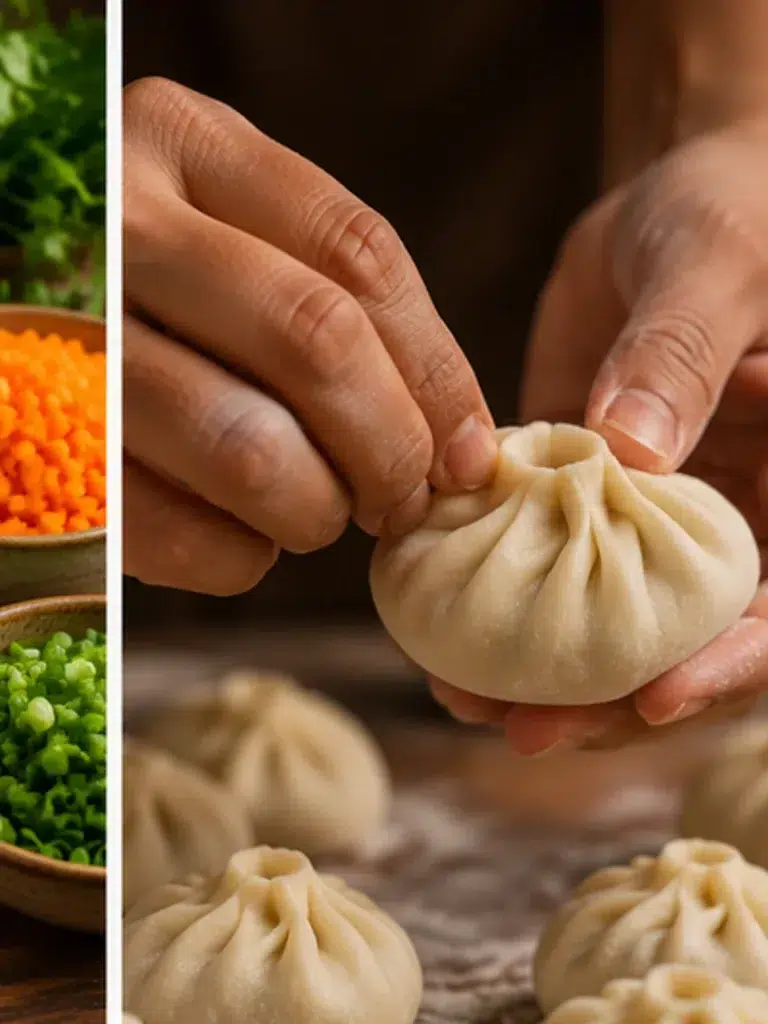
Quick answer: A good momo filling should be moist enough to taste lively, but not so wet that liquid runs onto the wrapper seam. The main controls are vegetable size, when you add salt, how much free moisture you remove and whether you cool any cooked ingredients before shaping.
On this page
Why fillings release water
Vegetables contain water inside their cells. Chopping exposes more cut surfaces, while salt draws liquid out over time. Mushrooms and cabbage can release especially noticeable moisture when heated or salted. A few teaspoons of soy sauce or chilli sauce may also turn a well-prepared mixture wet. This is a kitchen technique issue, not evidence that one vegetable is “bad” for momos.
Fix 1: chop fine, not into a puree
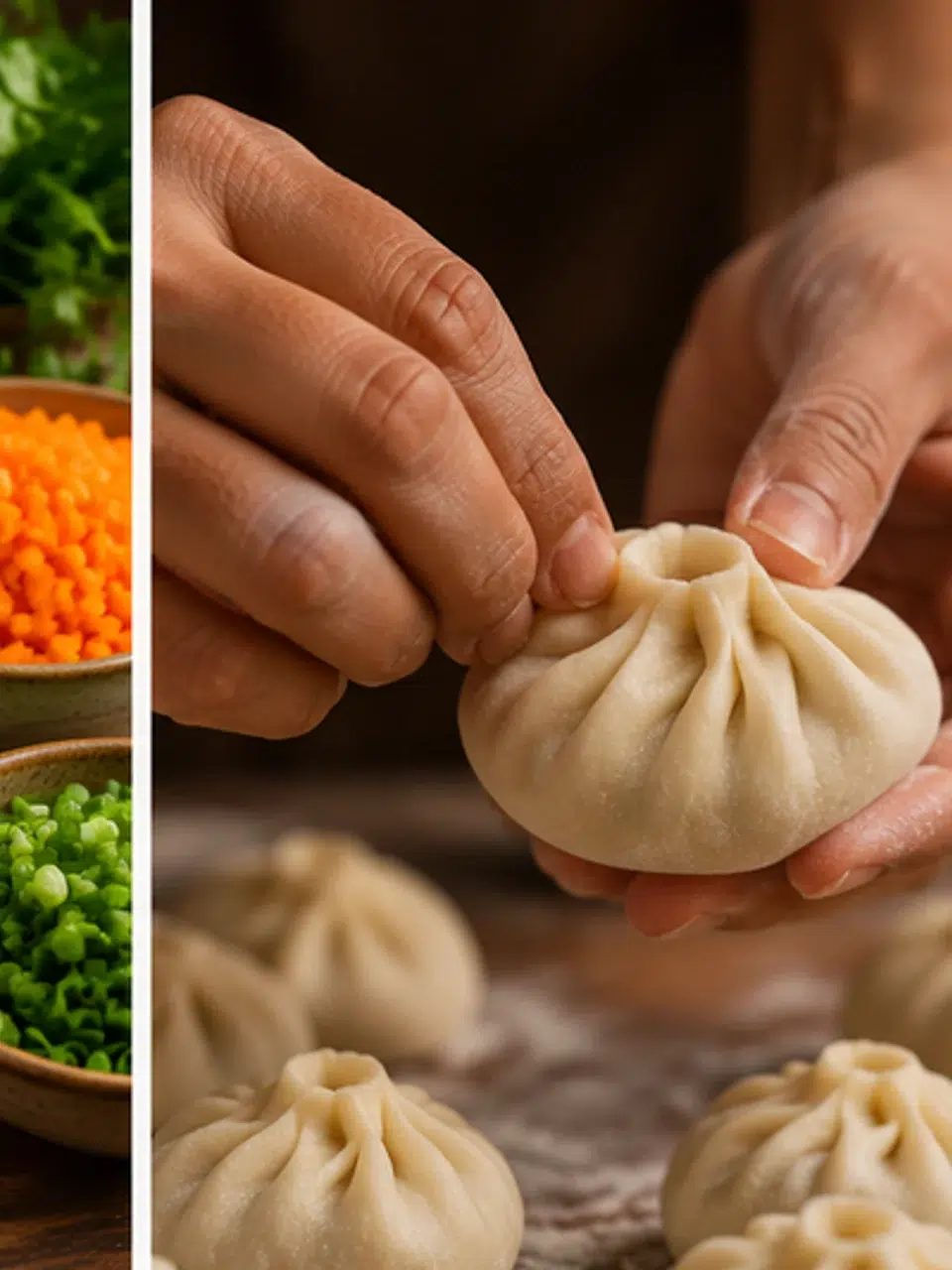
Finely diced vegetables nestle inside dough more evenly than large sharp pieces. But pulsing everything into a wet paste is not the goal. Hand-chop or use brief processor pulses, then tip the mixture into a bowl so you can inspect the amount of visible liquid.
Fix 2: salt close to shaping time
For a raw vegetable filling, mix aromatics first and add most of the salt shortly before wrapping. If the mixture has already sat salted and liquid collects at the bottom, lift the solids out with a spoon or drain briefly. Avoid squeezing so aggressively that you remove all flavour and moisture.
Fix 3: gently cook high-moisture vegetables
For a cooked vegetarian filling, a short hot-pan sauté can evaporate some excess water from cabbage or mushrooms. Cook until there is little loose liquid at the bottom of the pan, not until the vegetables become dry or brown. Spread the mixture in a shallow, clean container for prompt cooling before shaping.
Fix 4: keep liquids measured and sauces optional
Soy sauce, vinegar and spicy chutney work best in small increments. Add seasoning, stir, wait a moment and inspect texture. If you want a pungent red chilli flavour without flooding the filling, serve more sauce alongside the finished momos. Try the tomato-free chilli-garlic chutney separately.
Fix 5: think about each ingredient
| Ingredient | Moisture behaviour | Home-cooking adjustment |
|---|---|---|
| Cabbage | Releases liquid after salting | Season late or cook off a little moisture |
| Mushrooms | Release moisture in a pan | Sauté until excess liquid largely evaporates |
| Carrots | Firmer structure | Chop finely for an even bite |
| Paneer | Can be crumbly or moist | Use fresh, drained paneer; avoid soaking in sauce |
| Tofu | Varies by firmness | Drain or press when needed |
Fix 6: seal a clean, dry edge
Even an excellent filling can create leaking momos if a wet or oily rim prevents the dough from pinching together. Put the filling in the centre, leave a clean border, seal carefully and avoid pulling a too-small wrapper over a large spoonful. For folding fundamentals, read our wrapper technique guide.
Fix 7: prepare safely, not hours in advance on the counter
Cooling a briefly cooked filling is important for the dough, but food safety comes first. Use a shallow clean dish and refrigerate promptly when not shaping immediately. FoodSafety.gov advises refrigerating perishables within two hours, or one hour above 32°C. Keep raw chicken, dairy and vegetarian ingredients separate as required.
The goal is juicy, not watery: a balanced vegetable filling should hold together on the spoon and leave a clean rim for pleating.
Moisture-Control Guide for Common Momo Fillings
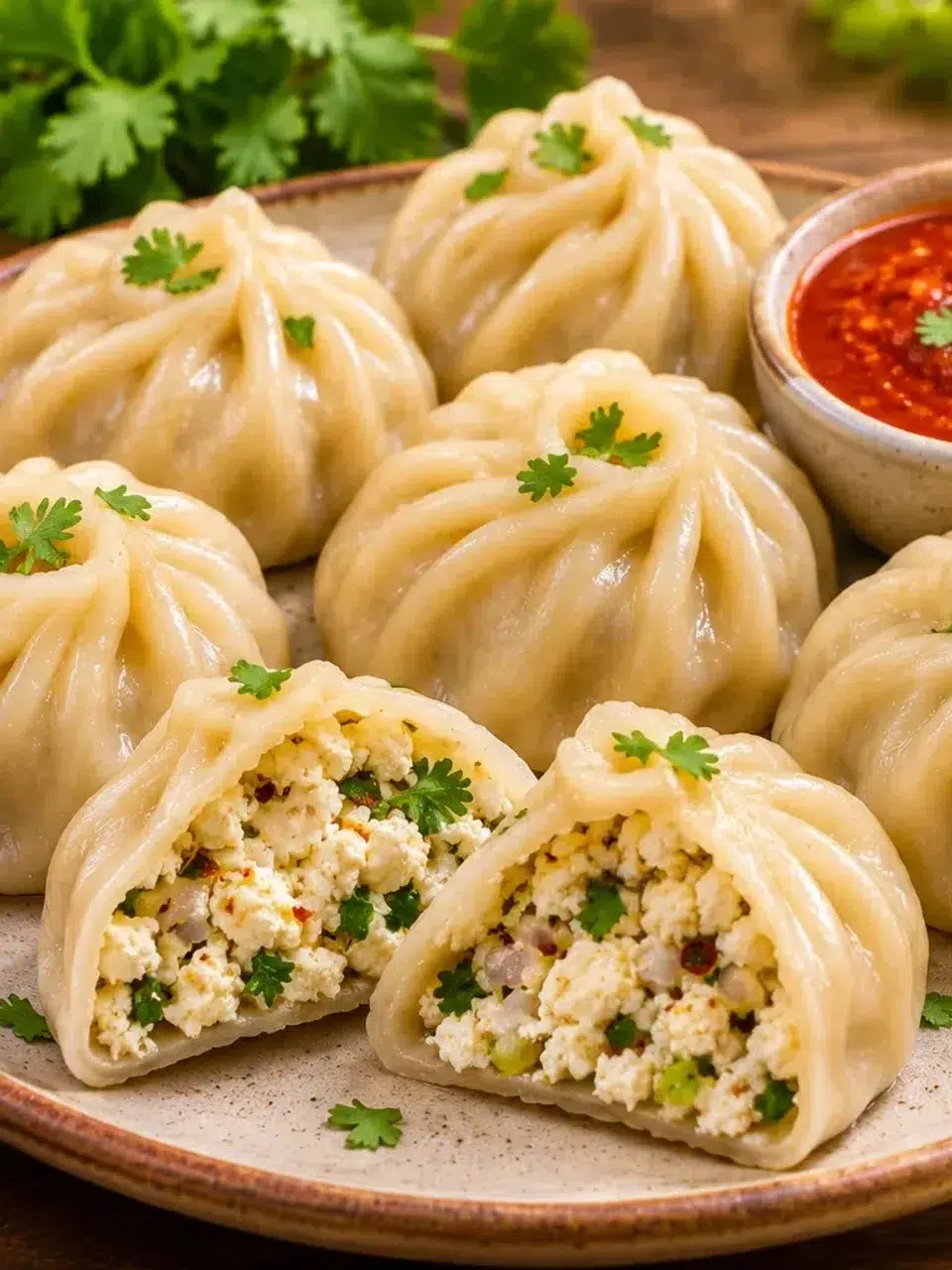
Cabbage: Shred or chop it finely rather than leaving large slippery ribbons. Salt can draw liquid out of cabbage, so either season close to folding time or allow excess water to drain before filling. The aim is a moist bite, not vegetables that have been squeezed completely dry. If a filling starts leaving a visible puddle at the bottom of the bowl, deal with that liquid before wrapping.
Carrots and capsicum: These vegetables contribute different textures. Fine chopping helps them blend into the filling without sharp pieces that could puncture the dough. Capsicum may add water during cooking, so sauté it lightly if your mix is already wet. Carrot adds firmness and colour, but very large chunks can make folding uneven.
Mushrooms: They can release substantial moisture as they cook. Use a pan large enough to let the released water evaporate, and cool the mushrooms safely before mixing with other ingredients. A watery mushroom mixture can seep into wheat wrappers and make the edge difficult to seal. Do not solve the problem by leaving cooked vegetables cooling on a counter for hours.
Paneer and tofu: Paneer contains milk and can carry free moisture if it was stored in liquid. Drain it and crumble it gently. Tofu contains soy and may need pressing or draining depending on the firmness. With either ingredient, use clean tools and appropriate refrigeration. Avoid treating these fillings as interchangeable for guests with allergies.
A Simple Preparation Timeline for Home Cooks
Start by washing and chopping the vegetables on a clean board. Prepare the dough separately and let it rest under cover. If you plan to cook high-moisture vegetables first, use a suitable pan and give them time to release excess water. Spread the cooked mixture in a clean, shallow container for prompt safe cooling. Perishable fillings should not be left at room temperature throughout a long dough-rolling session.
Shortly before folding, combine the vegetable ingredients and season lightly. Some fillings contain sauces that already add salt and liquid, so measure before pouring. Do not assume a spoonful of soy or chilli sauce will behave like a dry spice. If you taste a raw filling containing meat, that is unsafe; cook a small test portion fully instead if seasoning needs checking.
Have wrappers ready in manageable batches rather than rolling them all at the start. Dry wrappers crack; wet wrappers lose structural strength. Scoop filling with a spoon that leaves the rim clean, close the seam and move finished momos to a suitable lightly greased or nonstick tray. Refrigerate any unused perishable filling while the first batch steams.
For a complete approach, pair this guide with our veg momos recipe, and use the beginner folding guide for a reliable sealed edge.
How to Test Filling Consistency Before Wrapping
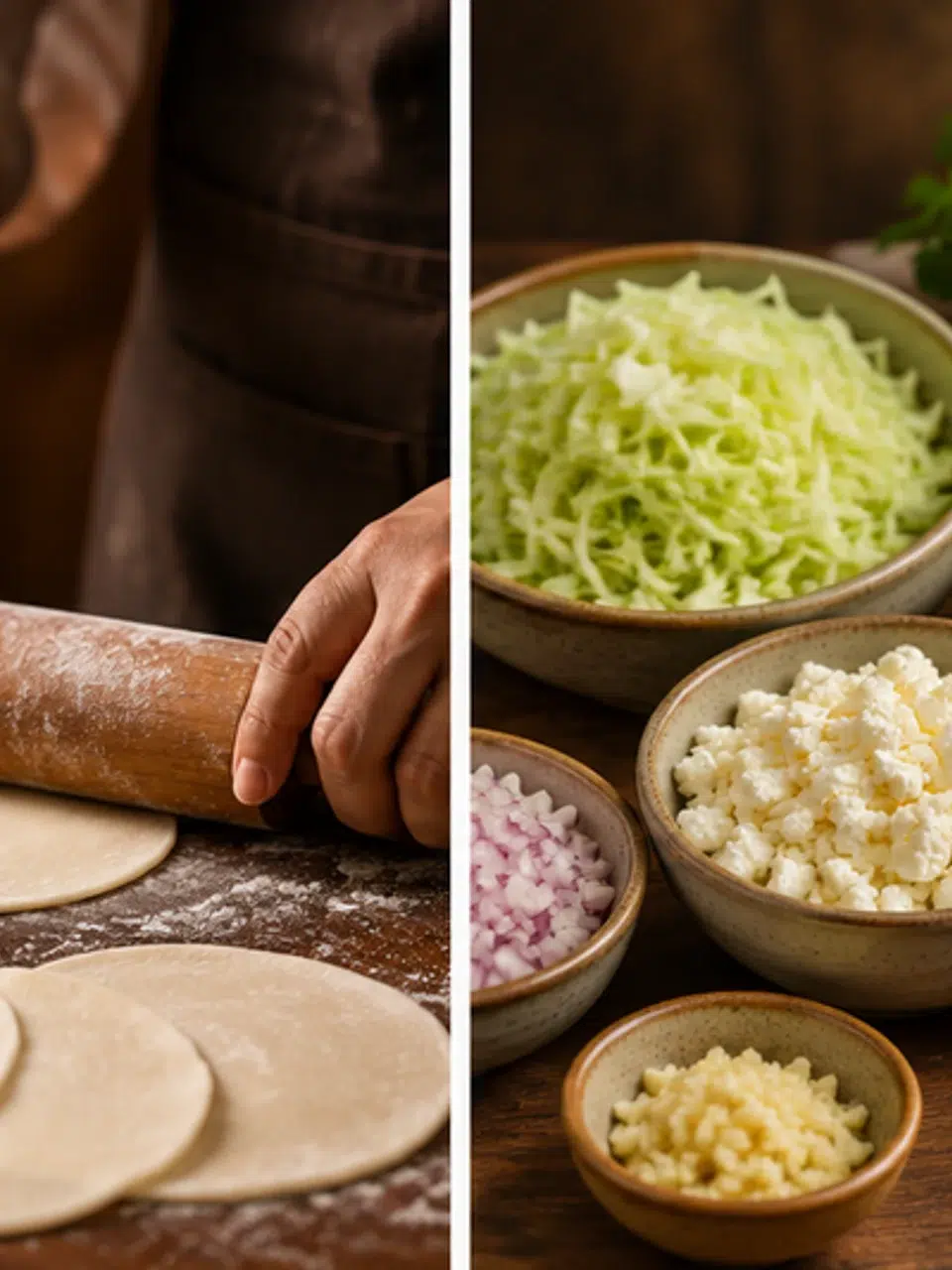
A simple spoon check is useful: scoop a small amount of filling and tilt the spoon. The vegetables should remain together loosely instead of running off with a trail of watery sauce. This is a practical texture cue, not a laboratory measurement. A few drops of moisture are normal; a puddle that immediately soaks the wrapper is a sign to adjust the mixture.
Inspect the bottom of the bowl after the mixture has rested briefly. If free liquid has collected, spoon it away or drain it using a clean sieve. If the vegetables are hot, cool them safely before sealing the dumplings; steam and condensation inside a wrapper can make the seam weaker. Taste seasoning only when ingredients are suitable for tasting without cooking, and never sample an uncooked meat mixture.
Fold one practice momo and check whether the seam stays closed when placed upright. If the wrapper tears, the problem may be thin dough, coarse filling or too much stuffing rather than moisture alone. If the dough edges slide apart, check for a wet, oily or floury rim. Fix the observed cause rather than automatically adding starch to the whole bowl.
A well-managed filling should still taste tender after cooking. Removing every drop of vegetable moisture can create a dry, crumbly centre, which is not the goal. Good momos balance juiciness with a wrapper that holds the filling securely during steaming.
What If the Momos Leak Water While Steaming?
For a separate diagnosis of seams opening during cooking, read why momos burst while steaming.
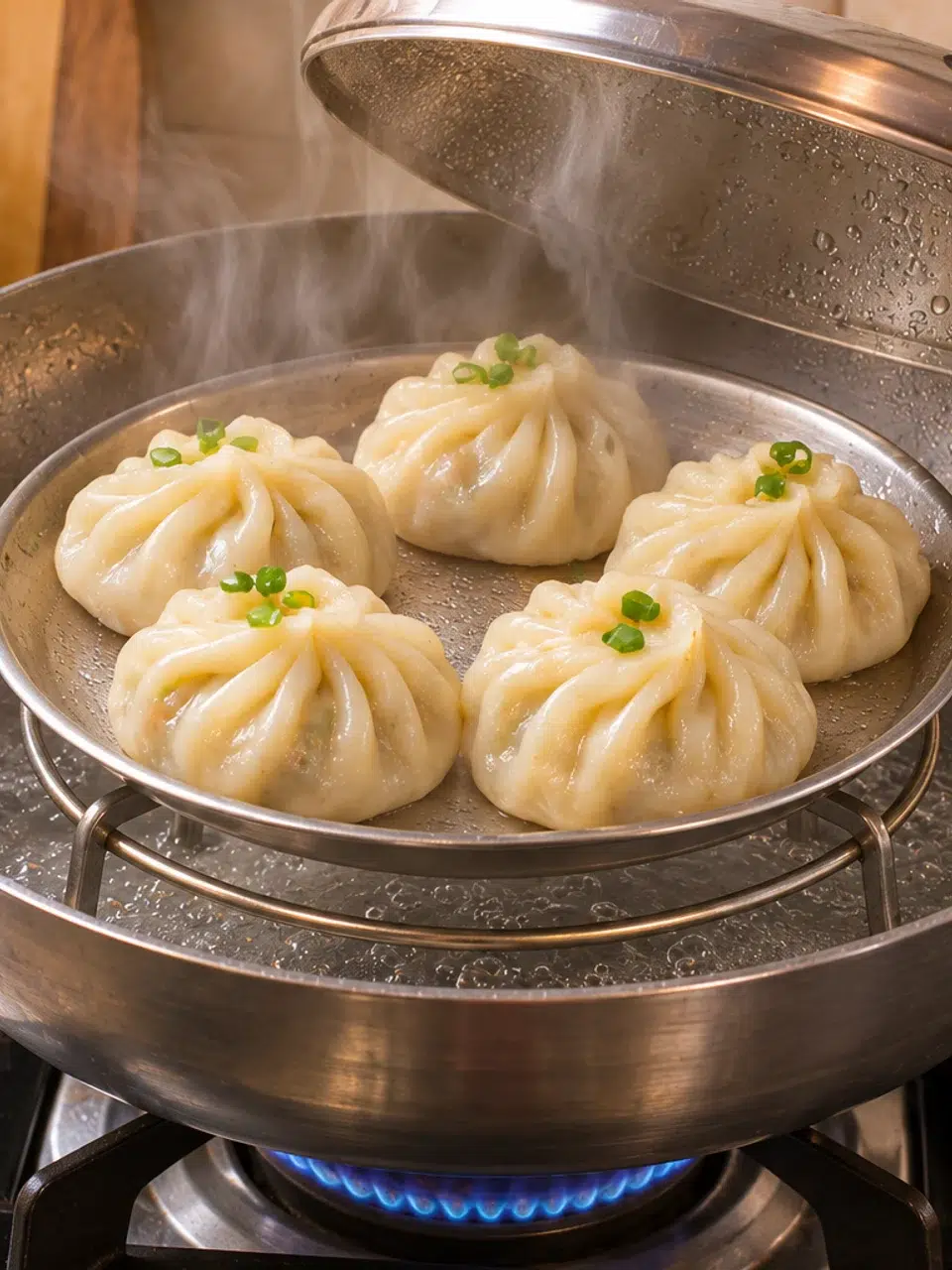
If the dumpling splits along the top seam, inspect how tightly it was sealed and whether the rim was damp or oily. If it tears across the side, check for unevenly thin dough or large vegetable pieces pressing outward. When the base is stuck to the steamer, pulling too quickly can rip the wrapper and spill filling. Lightly oiling a suitable tray and leaving space between pieces can help.
A little liquid inside a properly cooked momo may be part of the filling’s juiciness. The concern is a wrapper that breaks or a plate that fills with vegetable water. If several pieces burst, do not merely cook the rest for longer. Check the mixture, filling quantity, wrapper thickness and steaming setup before starting the next batch.
For targeted fixes, read how to make soft momo dough and our steaming without a steamer guide. A secure fold is important, but it cannot make undercooked filling safe; inspect doneness independently.
Avoid Going Too Far: Dry Filling Is a Different Problem
Removing moisture is not the same as making an enjoyable filling. Vegetables need some retained tenderness, and paneer can become chalky if mixed with too many dry powders. If the filling is dry and poorly seasoned, a heavy spoonful of sauce may hide the problem rather than improving the underlying texture. Start by identifying whether the mixture lacks moisture or simply needs balanced seasoning.
For cabbage and carrot, use fine chopping and a modest amount of seasoning. For paneer, use fresh cheese that has been handled correctly and mix it with suitable vegetables. For mushrooms, reduce free liquid during cooking while retaining the ingredient’s natural texture. Tofu may need a different approach according to firmness. The most successful combinations behave predictably in a wrapper without becoming pasty.
If preparing several fillings for one meal, keep them in labelled bowls and use separate utensils where allergens or dietary requirements differ. Paneer contains milk, tofu contains soy, and conventional wheat wrappers contain gluten. Preventing watery momo filling should never take priority over ingredient accuracy and safe handling.
Fresh vs Frozen Vegetables: Managing Extra Water
Fresh vegetables and frozen vegetables can both be used for homemade momos, but they behave differently. Fresh cabbage and carrots may release moisture after they are cut and salted. Frozen mixed vegetables can release additional water during thawing because ice crystals affect their texture. The amount varies by vegetable and product, so inspect the actual mixture instead of relying on a fixed draining time.
If using frozen vegetables, follow safe product handling directions and avoid leaving thawed perishables at room temperature. Cook suitable vegetables in a pan when the recipe calls for it, allow excess moisture to evaporate, then cool the mixture safely before adding it to wrappers. Do not pour hot wet filling onto a thin round of dough: steam and free liquid can make the wrapper fragile.
Some vegetable mixes include peas, beans, corn or carrots that retain a firmer texture. Chop or combine them to suit the size of the wrapper, and avoid sharp oversized pieces. A spoonful of filling should sit in the middle without releasing liquid over the edge. For a detailed comparison, see our homemade veg momos recipe and adapt the vegetable choice to what you have available.
How Salt, Soy Sauce and Chilli Sauce Change Moisture
Salt can draw water from chopped cabbage and other vegetables, especially when a seasoned bowl is left standing. Adding it near folding time is one common way to reduce the accumulation of free liquid. Another approach is to season the vegetables earlier, allow the released water to drain and mix the filling again before wrapping. Either technique can work if the filling is handled hygienically.
Liquid sauces introduce their own moisture. A small amount of soy sauce can season a filling, but several large splashes can overwhelm the wrapper. Bottled chilli sauces may contain sugar, salt, vinegar and water as well as chilli. Read the label, taste a safely prepared cooked sample when needed, and adjust gradually instead of pouring straight from the bottle into a large batch.
When a seasoned filling becomes wet, avoid trying to rescue it with large quantities of flour. That can make the stuffing heavy and change its flavour. Drain obvious free liquid, cook off moisture when appropriate, or prepare a smaller fresh portion of the filling. Soy sauce commonly contains soy and may also contain wheat, so the ingredient choice matters for allergies as well as texture.
How to Manage Momo Filling for a Larger Batch
For a family gathering, set up the process so that vegetables and filling do not sit exposed for the entire session. Chop ingredients on clean boards, mix a small amount of seasoned filling, and keep the rest refrigerated as appropriate. Roll wrappers in manageable batches and avoid placing filling inside dough long before the steamer is ready. A predictable work order helps protect both texture and food safety.
If the group wants multiple fillings, use separate labelled bowls and utensils. Paneer is a milk ingredient, tofu contains soy, and some people may avoid particular vegetables or seasonings. Do not place meat-containing filling beside ready-to-eat cooked dumplings without appropriate separation. A crowded workspace can accidentally mix ingredients or transfer raw-food juices, even when the recipes are otherwise simple.
Check the first few dumplings after folding. If a seam opens, reduce the filling amount or improve the edge rather than adding more liquid. If several pieces leak after steaming, inspect whether they touched the tray or were lifted too roughly. Our momo folding guide shows beginner shapes, and our freezing guide covers safely packing a suitable prepared batch for later cooking.
Quick Diagnosis: The Filling Is Wet, but What Is the Cause?
The bowl has water before you fold
The likely causes include chopped vegetables resting with salt, thawed vegetables releasing liquid, or too much sauce. Drain free liquid, shorten the standing time or cook suitable vegetables to reduce moisture. Check the filling again before assembling the next dumpling.
The bowl looks fine, but the wrapper gets soggy
The filling may be hot, the wrapper may be too thin, or individual pieces may contain hidden water pockets. Cool cooked filling safely, adjust wrapper thickness and inspect the ingredient pieces. A clean dry rim should remain easy to pinch.
The dumplings open in the steamer
Look at the seam and the tray. Overfilling, oily edges, poorly pinched pleats or sticking to the steamer can cause failures that resemble a watery-filling problem. Change only one variable in the next small batch so you can tell which correction helped.
The cooked filling is dry after draining
You may have removed too much moisture. Restore balance by using tender properly prepared ingredients in the next batch, not by adding a large amount of water to an already folded dumpling. Keep any sauces separately available for diners who want a different mouthfeel.
These checks help a home cook decide what to change rather than applying one universal fix. If a food has been stored or handled unsafely, do not use flavouring or prolonged cooking to hide the problem; choose a safely prepared replacement.
Frequently asked questions
Should I squeeze all the water out of cabbage?
Not necessarily. Remove loose liquid without making the filling dry; the aim is to keep the dough seam workable.
Can I add flour to thicken momo filling?
A small amount of starch can absorb liquid but changes the bite; correcting moisture before stuffing generally gives better control.
Can I refrigerate uncooked filling?
Yes, in a clean covered container at 4°C or below, with appropriate timing for its ingredients. Do not leave perishable filling out during a long shaping session.