
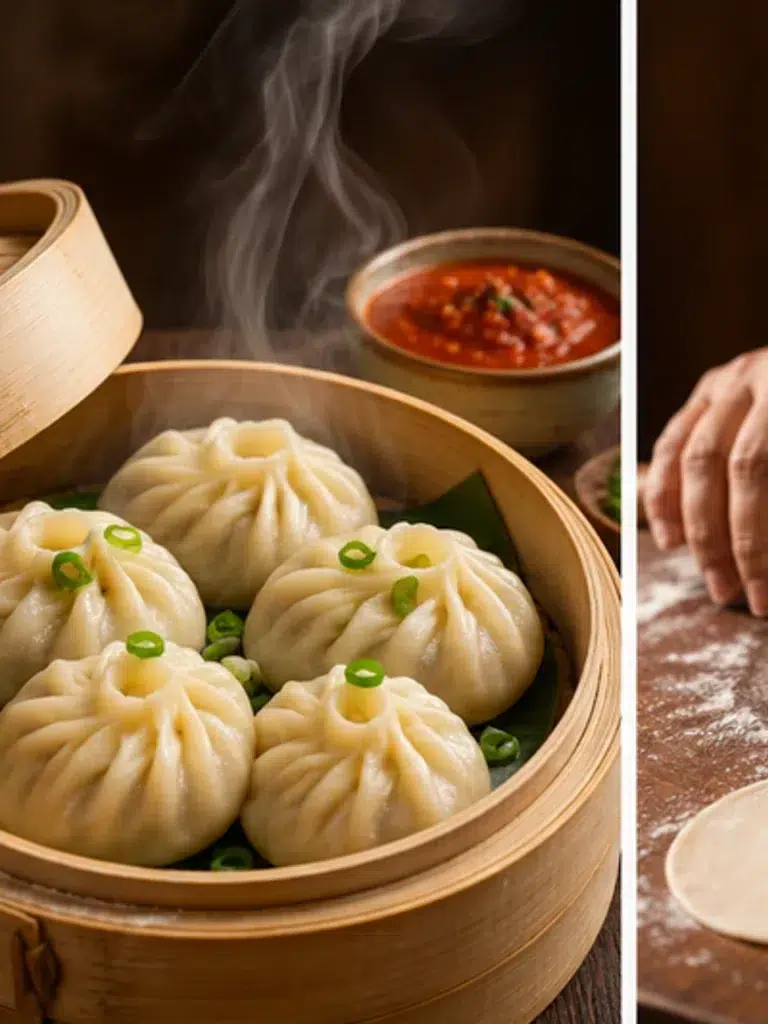
Quick answer: A momo usually bursts because the wrapper or seam cannot contain its filling as it heats. Too much filling, a dry edge, a thin spot in the dough or excess liquid can all weaken the seal. Steam itself is not usually the villain; sturdy, flexible wrappers and clean pleats matter more than turning the heat down indefinitely.
On this page
Find out where the momo failed
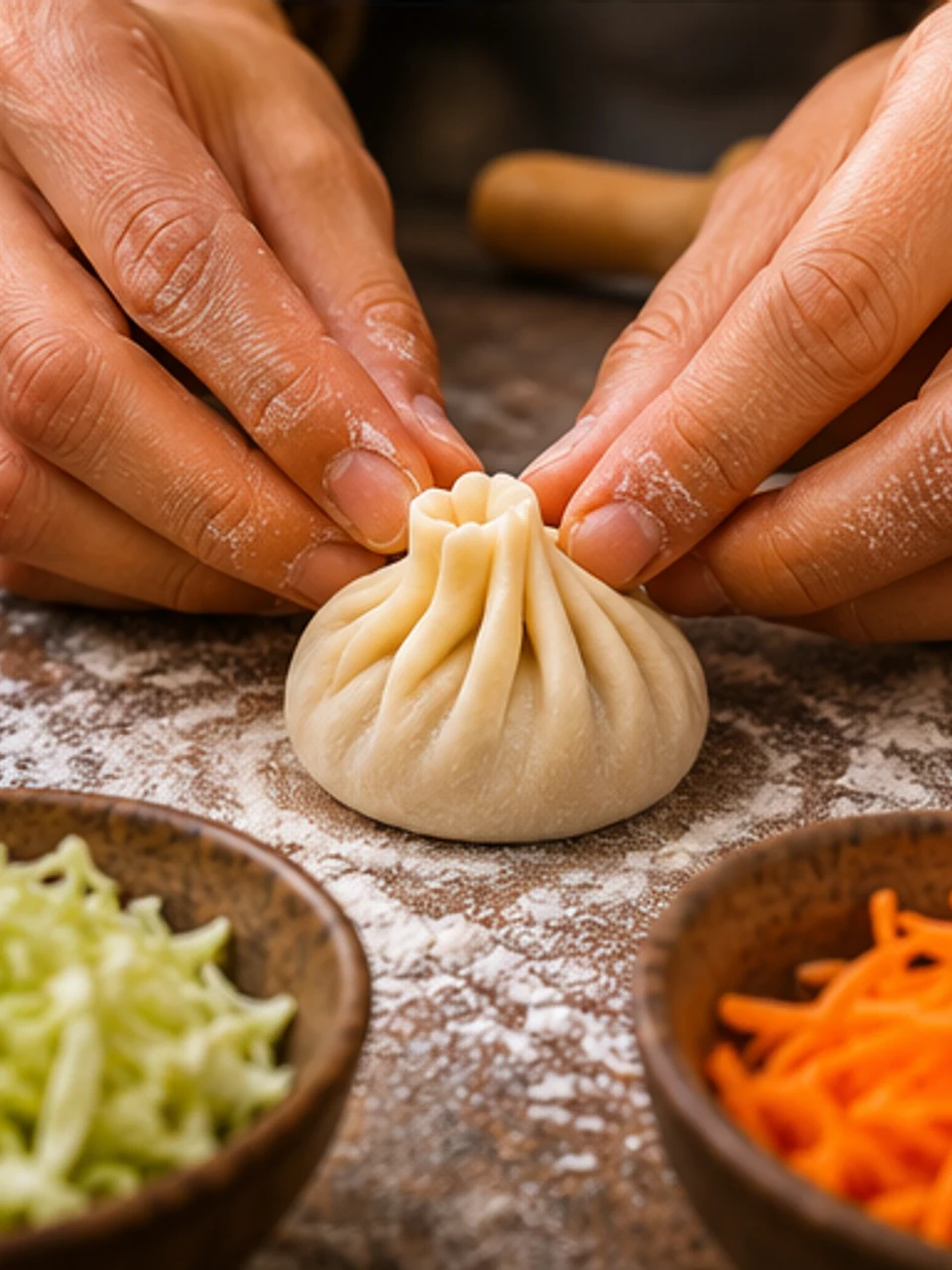
A split along the top seam points toward insufficient pinching, an oily edge or overstuffing. A tear through the body often suggests an uneven, paper-thin spot or an accidental puncture from coarse vegetables. A rupture at the base can happen when the dumpling sticks to the tray and is pulled away, or when liquid collects inside a weak wrapper. Diagnose the location before changing the entire recipe.
Eight practical fixes
- Reduce the filling. Leave enough clean dough to close without stretching.
- Rest the dough. Covered resting helps it roll more easily and lessens the temptation to force the edges.
- Keep unused wrappers covered. A dried rim cracks instead of sealing.
- Chop vegetables fine. Sharp chunks of carrot or beans can puncture thin dough.
- Control free moisture. Drain obvious liquid or sauté very wet fillings briefly, then cool safely.
- Clean the seam. Oil and bits of filling interfere with pinching; use a nearly dry edge.
- Make smaller, consistent pleats. Big overlapping lumps can create undercooked, weak spots.
- Prepare the tray. Light oil, gaps and gentle lifting prevent tears caused after the momo has cooked.
Wrapper thickness: where it matters
Do not aim for a uniformly paper-thin disc. A slightly stronger centre supports the filling; thin but intact edges fold more easily. Hold a rolled disc against the light and check for abrupt transparent patches or ragged edges. If rolling requires pulling, pause and let the dough relax. Our dough guide covers flour, water and resting cues.
When filling moisture is the cause
Cabbage, mushroom and onion can release liquid after salting or when heated. A wet filling can make the dough sticky, prevent a clean closure and expand the chance of leakage. Add sauce in small increments and use a slotted spoon to portion vegetables if liquid pools at the bottom of a bowl. See how to control watery momo filling for ingredient-by-ingredient suggestions.
Does vigorous steaming make momos burst?
A hard boil in the bottom of the pot does not directly batter the dumplings if they are raised properly above the water. Problems arise when the water touches the tray, condensation accumulates excessively, pieces are crowded or a weak seam opens. Keep the water below the tray and use a stable, covered steamer—not improvised pressure-cooker modifications. Our safe pot-steaming setup explains the arrangement.
A before-and-after checklist
| Before | Better next batch |
|---|---|
| Wrapper edges dried out | Cover discs and pinch immediately |
| Large spoonful of filling | Start with a smaller amount |
| Wet, seasoned vegetables | Drain or gently reduce moisture |
| Filling caught in seam | Clear rim before pleating |
| Tray ungreased | Thin coating of oil or vented liner |
Food safety even if a dumpling splits
If a momo opens in the steamer, the filling still must be fully cooked. Poultry filling should reach 74°C (165°F), as specified by FoodSafety.gov. The visible wrapper is not a substitute for checking the interior. For a beginner-friendly shape that prioritises a firm seal, see four momo folds.
Identify Exactly Where the Momo Wrapper Split
Before adjusting a recipe, look at the failed dumplings. A burst along the pleated top usually means the sealing edge did not stick, there was too much filling, or a wet or floury border prevented the pinches from closing. A sidewall tear suggests a thin patch or a firm vegetable piece pressing against the dough. A bottom rupture is more likely if the dumpling stuck to the tray and was pulled off roughly.
Compare two or three pieces from the same batch. If every dumpling bursts at the top knot, focus on pleating and filling quantity. If only pieces nearest the side of a pot fail, examine the tray position, lid condensation and how the dumplings were loaded. If random side tears occur, inspect rolling consistency and whether sharp vegetable pieces or uneven dough are creating weak spots.
Not every burst means the filling was undercooked, and not every neatly folded dumpling is safely cooked. Treat appearance and food safety as separate questions. For meat fillings, use the appropriate temperature guidance, and for raw poultry aim for the verified internal temperature of 74°C (165°F).
Check Dough Hydration, Rest and Flour Before Folding
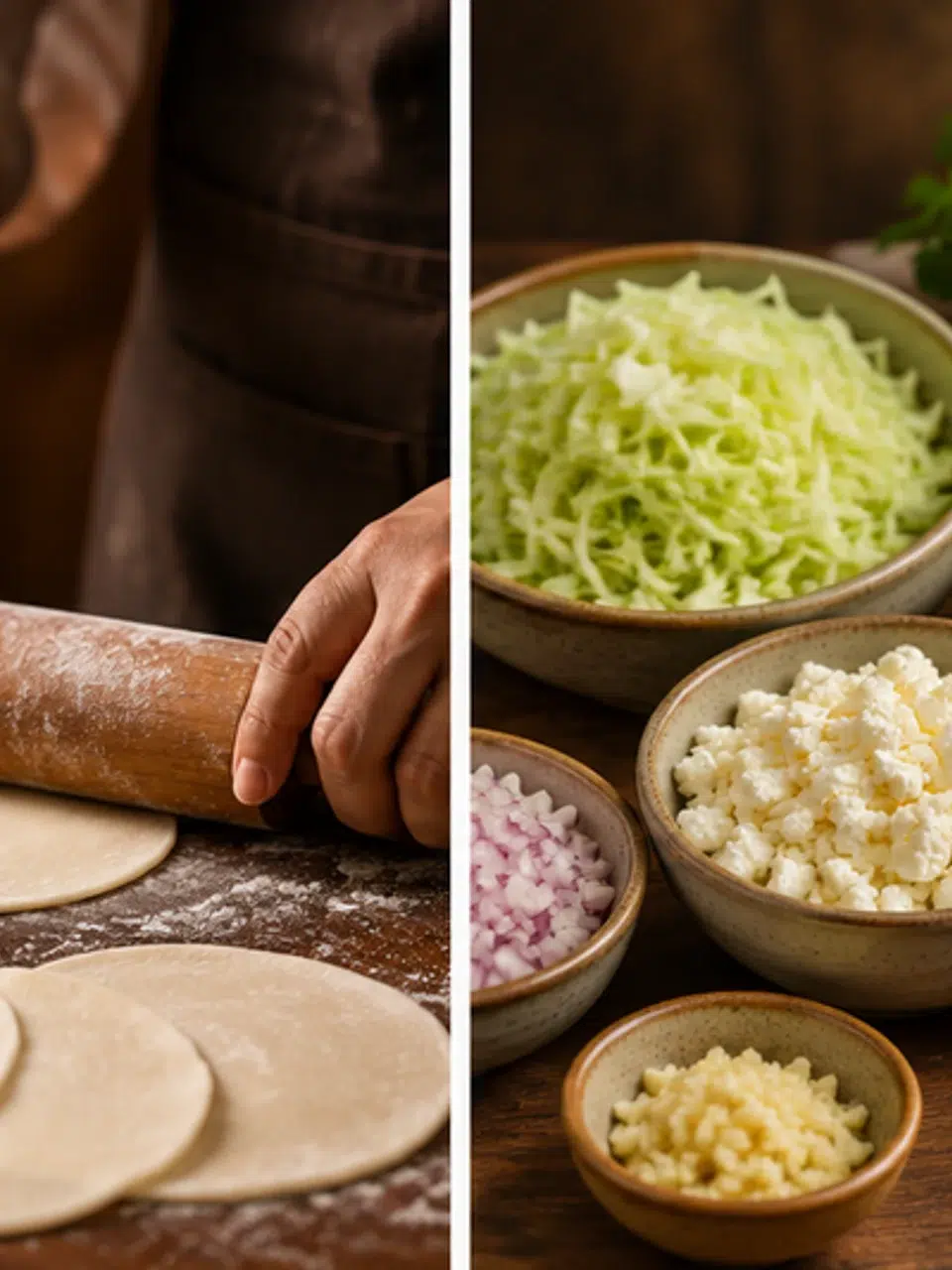
A dry, under-rested dough may crack as it is stretched around a filling. A very wet dough may stick to fingers and become difficult to seal cleanly. Aim for a dough that feels smooth and flexible after a covered rest rather than trying to correct every problem by adding more oil. If it resists rolling, cover it briefly so the gluten can relax and then try a smaller wrapper.
Flour choice matters. Fine wheat flour often produces a smoother, more pliable round, while whole-wheat atta can absorb more water and may require slightly different handling. A mixture can combine some of the strengths of both, but the ideal amount of water depends on the actual flour. Our best flour for momos and soft dough guide explain the differences.
Keep unused dough portions covered as you roll. A wrapper exposed to the air for a long session can become dry at the edge even though the middle still feels flexible. That dry rim is harder to pinch and can separate as the filling heats. A clean lightly moistened edge may help, but too much added water can make the seam slippery.
Roll a Strong Centre and Pleatable Edges
The centre of the wrapper carries the weight of the filling and often rests directly on the tray. If it becomes paper-thin, even a well-seasoned vegetable mixture can puncture it during loading. The edge is folded into overlapping layers, so it can start slightly thinner without creating a thick raw knot. There is no single millimetre measurement that suits every wrapper size or flour.
Roll a small round and hold it gently against the light. You should be able to see whether it has obvious thin patches without insisting on full transparency. A smooth round with a supportive centre and thinner perimeter is generally easier to fill. If the dough bounces back, allow more covered rest rather than pressing hard enough to create an uneven, stretched patch.
For pleats, gather a small fold at a time and press it firmly into the opposite edge. A gathered top with too many layers can take longer to cook; reduce the number of large overlaps instead of simply increasing steaming time. Our wrapper thickness guide and four momo folds show how to practise the shapes.
Use Less Filling and Control Free Liquid
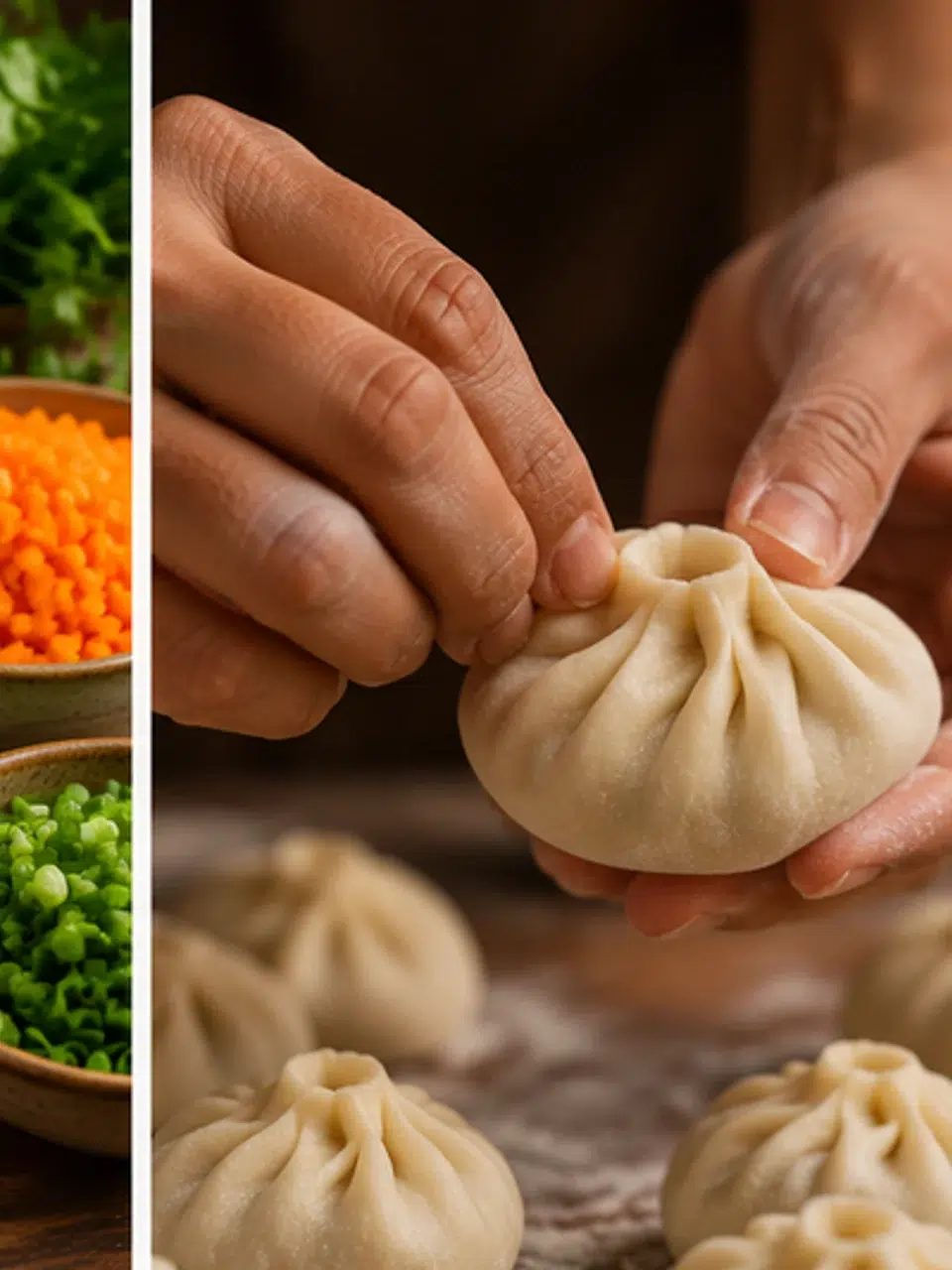
An overfilled momo has too little spare dough for a dependable seam. When the filling warms, the wrapper has to stretch around it, and a fragile pinched edge may open. Start with a modest spoonful and test a few small dumplings before assembling an entire tray. A smaller, secure momo is often more enjoyable than a generous one that releases its filling during steaming.
Cabbage, onions and mushrooms can release water after chopping or salting. Free liquid may seep onto the sealing rim and interfere with the pinch. Drain it or cook down some moisture when appropriate, cooling cooked filling safely before folding. A wet mixture does not become safer or more reliable by adding large quantities of flour. Aim for a filling that stays together loosely on the spoon.
Dense or oversized filling pieces can also cut through a thin wrapper. Finely chop ingredients to fit the size of the dumpling. Check for sharp bits of hard vegetables and avoid creating one large mound that reaches the very edge. For ingredient-specific help, see watery momo filling fixes and the veg momos recipe.
Check Steam Circulation, Tray Contact and Lid Condensation
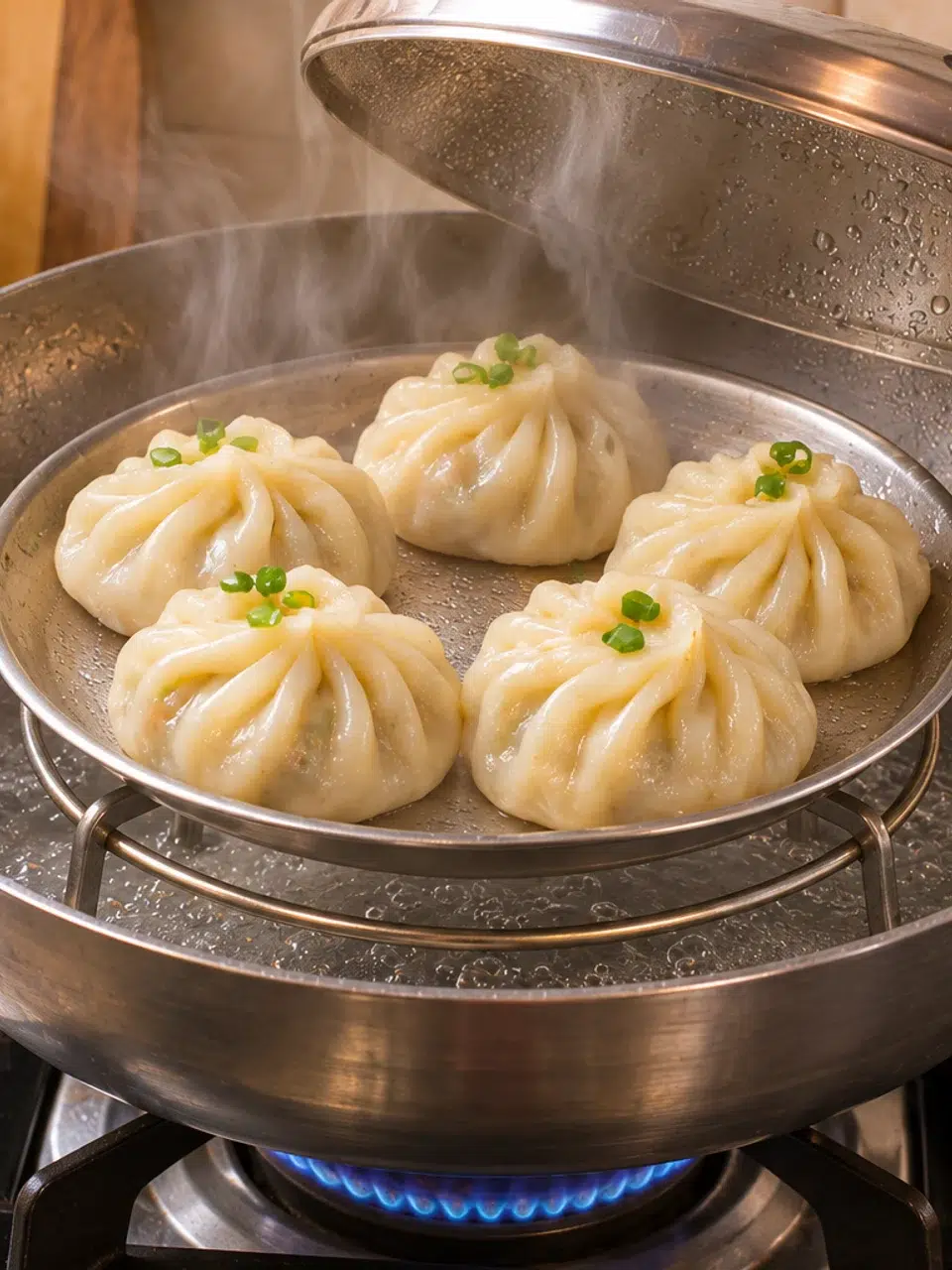
A stable steamer with a raised tray helps dumplings cook without sitting directly in boiling water. Leave space between pieces so they do not stick to each other and tear when separated. A thin layer of oil or an approved perforated liner can keep the base from adhering to the surface. Ensure that the liner does not block the steam holes or contact a flame or exposed heating element.
Strong steam is not automatically the direct cause of bursting. A rolling, unstable boil can make an improvised tray rattle, push water into the basket or cause excessive condensation, all of which may damage fragile dumplings. Use a stable simmer and suitable equipment, keeping water below the tray. Avoid repeatedly lifting the lid and letting large drops of condensation fall on delicate wrappers.
Cook until both wrapper and filling are ready. When removing a batch, lift dumplings from underneath with a broad utensil rather than pulling the top knot. A piece that sticks and tears during lifting can look like it burst while steaming, even though the damage happened afterward. Our sticking-to-steamer fixes address this separate problem.
Run a Small Test Batch Before Cooking for Everyone
For a new dough or filling, shape three or four practice momos. Use the same ingredients but make small adjustments between pieces: one with a modest filling amount, another with a slightly thinner rim and another with a simpler half-moon seal. Cook them in a properly prepared steamer, then inspect where any tears appear. This controlled approach is more informative than changing flour, filling and cooking time all at once.
If the test batch seals well and cooks safely, repeat the method for the larger batch. Keep perishable fillings refrigerated between rounds. Do not leave raw chicken or dairy-containing filling on the counter while friends practise folds for an hour. Prepare a separate clean plate for fully cooked pieces and do not reuse utensils or trays that held raw meat without washing them.
For parties, arrange suitable portions rather than forcing every dumpling onto one overcrowded tray. Different fillings should be labelled clearly, particularly for guests with allergies. Keep sauces in separate bowls and use clean tongs to serve. The party service checklist offers the broader food-handling plan.
Troubleshooting Table: Symptom, Cause and Next Action
| What happened? | Likely issue | Try next |
|---|---|---|
| Top pleats open | Overfilling or poorly sealed rim | Reduce filling and pinch clean dry edges |
| Side splits | Thin spot or coarse ingredient | Roll more evenly and chop filling finely |
| Bottom tears on removal | Sticking to steamer tray | Prepare the surface and lift from beneath |
| Many cracks before cooking | Dough too dry or exposed | Review hydration, resting and covering |
| Leaking juice during steaming | Excess free liquid in filling | Drain or safely cook down moisture |
Choose the correction that matches the failure instead of increasing water or oil indiscriminately. A dough that is too wet may need better resting and handling, while one that is dry may need more gradual hydration. For repeated burst momos, take a photo of the location of the split and compare the next batch after changing one variable.
Food safety stays separate from the troubleshooting table. If a burst dumpling contains raw meat, cook it thoroughly despite the damage and prevent raw juices from contacting ready-to-eat sauces. If the filling spills into unclean water or the food has been mishandled, do not serve it merely because the wrapper looks salvageable.
Can a Split Momo Still Be Served?
A torn wrapper is not automatically an unsafe meal. If the food has been thoroughly cooked, properly handled and has not fallen into a contaminated surface, it may be suitable for a broth bowl or a plate where appearance is less important. A loose filling can be served with a spoon rather than forcing a broken dumpling back into a perfect shape. Check that the centre is completely cooked before serving.
Do not try to reseal a cooked dumpling with raw dough and assume that a brief extra steaming pass makes the patch safe. It is better to serve an intact safely cooked piece or repurpose the cooked components in a suitable warm meal. For a home dinner, our vegetarian momo soup offers one way to enjoy fully cooked dumplings with a light broth.
If the batch was mishandled, left out too long or came into contact with an unclean surface, discard the questionable food. No amount of chilli sauce or extra browning reverses all the risks of unsafe handling. The main benefit of fixing burst wrappers is better texture, less waste and a more pleasant meal, not an alternative to proper cooking.
Eight Checks to Make Before the Next Steaming Batch
Keep the first test small enough to inspect the results carefully. If the new dumplings stay intact, repeat the same dough consistency, filling portion and folding method. If the failures continue, note where the split occurs before changing another variable. This prevents one weak seam from prompting unnecessary changes to a dough that was already working well.
1. Rest the dough under cover until it rolls smoothly. 2. Use the correct flour and add water gradually instead of guessing from a single recipe. 3. Keep a supportive centre and a thinner, flexible edge. 4. Choose a modest amount of filling so the rim can close without stretching.
5. Drain free liquid from vegetables, mushrooms or paneer as needed and avoid rough ingredient pieces that can puncture dough. 6. Pinch the seam completely, keeping oil and excess flour away from the contact area. 7. Space the pieces on a lightly prepared steaming tray and use a stable pot setup. 8. Cook thoroughly and remove from below with an appropriate utensil.
For raw poultry fillings, verify the centre reaches at least 74°C (165°F) with a suitable food thermometer. Refrigerate perishable filling promptly when not shaping dumplings; FoodSafety.gov recommends chilling within two hours, or one hour in conditions hotter than 32°C. A careful preparation sequence provides a better chance of intact, enjoyable momos without sacrificing food safety.
Frequently asked questions
Can I fix a split momo after steaming?
You can plate it if cooked safely and handled cleanly, but resealing cooked dough rarely restores its appearance.
Does too much yeast cause momos to burst?
Ordinary momo wrappers are typically unleavened; yeast is not a standard ingredient to blame for this problem.
Are bursting momos always undercooked?
No. A seam failure and an undercooked centre are different questions. Check doneness independently.
Evidence and further reading
For a broader view of Himalayan-inspired food, explore momo styles and Momo Crown’s official menu. Opening status and availability should be checked on the locations page.